Choosing an Aluminium Sliding Window is about more than comparing frame prices or attractive product photos. Smooth operation, reliable weather seals, suitable glazing, and sturdy rollers all affect everyday performance. A window may look impressive in a showroom yet feel different after years of use.
This guide introduces ten manufacturers with international reach and examines the details buyers can compare. These include frame design, finish options, thermal performance, hardware, customization, and after-sales support. On a sample, check how the sash moves, how firmly it closes, and whether the meeting rails align. Small details matter.
A polished catalogue can still leave questions unanswered. Product ranges, certifications, and service availability differ by market, so claims should be checked against current technical documents and local supplier information. The selection is intended as a practical starting point, not a universal ranking; the right choice depends on climate, building design, project budget, and installation quality. Even a well-engineered window can disappoint when measurements or fitting are poor. Comparing manufacturers carefully—and asking specific questions before ordering—can make the decision clearer.
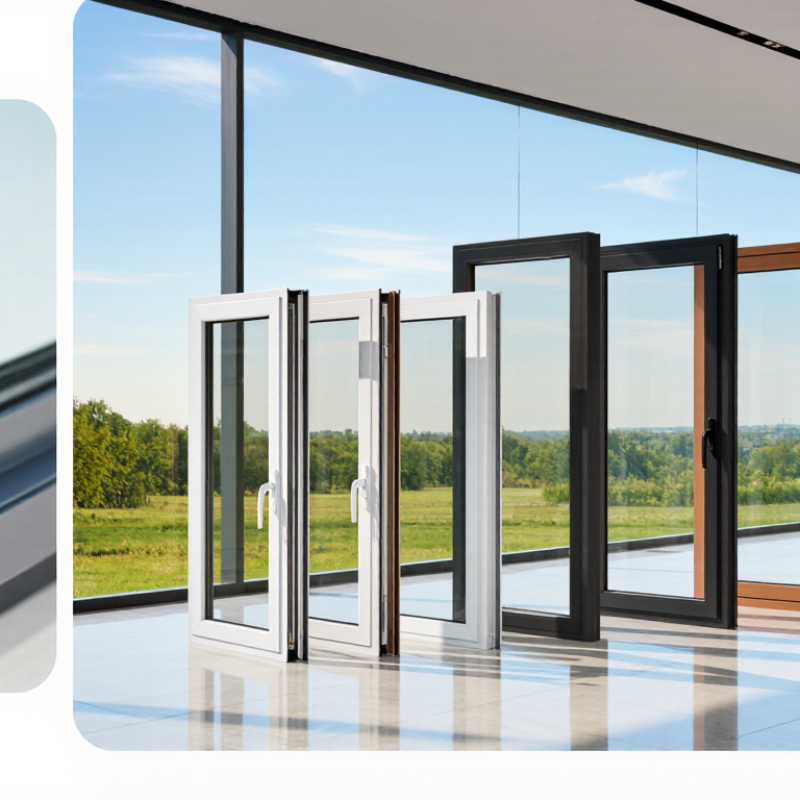
An aluminium sliding window is more than two glass panels moving along a track. Its frame, rollers, drainage paths, seals, and glazing work together to support smooth movement and weather resistance. A movable sash glides behind a fixed panel, saving floor space needed by a hinged window. That matters beside a narrow balcony or kitchen counter. Small details count. Smooth travel depends on aligned tracks and correctly sized rollers, not just a polished frame. Ask how rollers can be adjusted or replaced; this practical detail is easy to overlook.
Performance also depends on opening size, glass weight, exposure, and installation quality. Wind-driven rain tests the seals, while dust can collect in lower tracks and make movement rough. Clear drainage holes help water escape, but regular checks are still needed. Double glazing may improve thermal and acoustic performance, though results depend on the whole assembly and local climate. Compare available data on insulation, air leakage, and water resistance. A specification sheet cannot describe every site condition. Check that the frame depth suits the wall and that perimeter sealing is explained. Even a well-designed system can disappoint if installed out of square.
Evaluating aluminium sliding window manufacturers worldwide requires more than comparing catalogue prices. Start with the frame: ask for the alloy specification, profile depth, wall thickness, and thermal-break design. These details affect rigidity, insulation, and how smoothly a large sash moves. A sample corner joint can reveal uneven finishing or weak assembly more clearly than a polished product photo.
Ask for evidence. Request test reports for air leakage, water penetration, wind resistance, and operating cycles, then check that the tested configuration matches the window being quoted. Glass type, sash size, seals, and hardware can change performance. A rating without its test conditions is hard to compare. Small print matters.
Manufacturing consistency is another useful measure. Ask how incoming materials are checked, how dimensions are monitored, and whether finished units receive documented inspections. Clear drawings, installation guidance, spare-parts availability, and a defined warranty also matter, especially when supplier and project teams work across borders. Confirm response times and service arrangements in writing. Details matter.
Compare manufacturers against the same project requirements and climate exposure, not broad claims of “premium” quality. Look for traceable documentation and specific answers from technical staff. A low quotation may be reasonable, but unclear specifications deserve a second look. No scorecard captures every site condition, and even a careful review can miss something. That is worth admitting.
These ten profiles compare manufacturing strengths rather than rely on unsupported rankings. One manufacturer may specialize in precise aluminium extrusion, producing straight, consistent profiles for smooth sash movement. Another focuses on thermal-break systems, where insulated separators reduce heat transfer through the frame. A third develops solutions for coastal projects, giving attention to drainage paths, hardware materials, and protective finishes. Small details matter.
A fourth profile centers on wide sliding panels, with reinforced frames designed to manage heavier glazing. A fifth offers flexible dimensions for unusual openings, though customization can extend lead times. Another invests in product testing, checking air leakage, water resistance, and wind performance under defined conditions. These results are useful, but buyers should confirm that test reports match the selected configuration. This comparison is imperfect; product ranges change.
The remaining profiles highlight production and project support. One manufacturer integrates fabrication with glazing, helping keep tolerances consistent. Another serves high-volume commercial projects, where dependable delivery matters as much as unit cost. A renovation specialist focuses on fitting new windows into existing openings, where walls are rarely perfectly square. The final profile emphasizes replacement parts and technical guidance after installation. Ask for frame-section drawings, finish samples, and clear warranty terms before comparing quotations.
EN 12207 class limits provide a standardized way to compare window air permeability. At 100 Pa, a higher class allows less air leakage; these are classification limits, not measurements of individual manufacturers’ products.
Top 10 Aluminium Sliding Window Manufacturers Worldwide: Comparing Product Ranges, Technologies, and Global Reach
A useful comparison starts with the window range, not a headline ranking. Check available frame depths, panel sizes, opening configurations, and thermal-break options. These details affect daylight, ventilation, and energy performance. Ask whether standard systems fit your project or require custom engineering. Details matter. A broad catalogue can help, but it does not guarantee a better installation.
Technology comparisons should cover more than slim frames. Look for tested air and water resistance, wind-load data, drainage design, roller capacity, and replacement-part availability. A smooth sample panel is not enough; large glass panels place real demands on tracks and hardware. Global reach also varies: manufacturers may export widely but rely on local fabricators or distributors for service. Confirm who measures, assembles, installs, and handles warranty claims in your region. A ranking can look precise on paper, yet project conditions are rarely so tidy.
Tips: Request technical data for the exact configuration, not just the product family. Compare test results on equal sizes and glazing. Ask for a local reference project, service lead times, and spare-hardware details before choosing.
Selecting a manufacturer starts with the opening, not the catalogue. Record its width, height, exposure, and expected daily use. A coastal apartment needs different corrosion protection from an inland office. Ask for the frame alloy, wall thickness, finish specification, and drainage design in writing. Small details matter. Request performance data for air leakage, water penetration, wind pressure, and thermal transfer, matched to the intended project. A rating without its test conditions is hard to compare.
Inspect a full-size sample if possible, not only a polished corner offcut. Slide each sash, check for rattle, and look at how rollers and locks can be replaced. Ask how production tolerances are checked and whether glass, hardware, and frame components are tested as one assembly. A glossy sample can still hide a weak joint. Customization is useful, but unusual sizes may extend lead times or complicate future parts supply. Get written confirmation of dimensions, finish, glass build-up, delivery dates, and warranty coverage before approval. Paperwork matters, too.
Evaluate technical support as carefully as price. A capable supplier should review shop drawings, flag drainage conflicts, and explain installation clearances in plain language. Ask for references from projects with similar exposure and opening sizes, then speak with both installer and buyer. Clarify who handles damaged goods and service calls. There is no perfect choice; delivery reliability may matter more than an extra finish option. I would leave maintenance on the checklist, even if it feels secondary until rollers collect grit.
One sash slides behind a fixed panel. It needs no swing space beside a counter or narrow balcony.
Aligned tracks and correctly sized rollers matter. Ask how rollers can be adjusted or replaced. Small details matter.
Request test data for air leakage, water resistance, and wind pressure. Check that the results match your chosen window configuration.
It may improve thermal and acoustic performance, but the full assembly and local climate affect results. The glass alone tells only part of the story.
If possible, slide a full-size sample and listen for rattling. Check the locks, joints, and access to replaceable hardware. A polished corner can hide problems.
Ask for written details about the finish, hardware materials, and drainage design. Wind-driven rain and salt exposure deserve attention.
They can extend lead times and make future parts harder to source. Confirm dimensions, glass build-up, delivery dates, and warranty coverage in writing.
Ask whether they review drawings, explain installation clearances, and handle service calls. Paperwork matters, too. I might still overlook something, so I would keep maintenance on the checklist.
This article explores the key features of Aluminium Sliding Window systems, including how their frames, tracks, glazing, and hardware work together to support smooth operation and practical everyday use. It also explains how to assess manufacturers worldwide by considering factors such as product quality, design flexibility, performance testing, production capacity, customer support, and experience serving different markets.
Profiles of ten leading manufacturers provide a framework for comparing product ranges, technical approaches, customization options, and international reach without assuming that one supplier is the right choice for every project. The article concludes with practical guidance for selecting a manufacturer, emphasizing the importance of matching window specifications to project requirements, climate conditions, installation needs, budget, and long-term maintenance expectations.