Aluminium Windows Prices can differ sharply, even when two homes appear to need similar windows. The reason is rarely one simple figure. Frame dimensions, profile design, glass specification, hardware, finish, and installation conditions all influence the final quote. A narrow bathroom window and a wide living-room slider may use different systems, glass, and fitting methods. The details matter.
Fenestration consultant Daniel Mercer sums up the pricing challenge: “A window quote is only meaningful when its specification and installation scope are clear.” This is a useful test when comparing suppliers. Check whether each quote covers the same number of windows, opening styles, glazing, handles, trims, delivery, and removal of old frames. If one quote leaves out installation, the lower price may not represent better value. Ask for the assumptions in writing.
Materials and performance also shape costs. Thermal-break profiles, laminated or acoustic glass, bespoke colours, and unusual shapes can raise manufacturing and fitting demands. Access matters, too. A ground-floor opening is often simpler to reach than a high window above a conservatory roof. Site measurements can reveal complications that photographs miss.
Small details add up. Yet estimates are not guarantees. Prices vary by supplier, region, project timing, and the condition of the property. This guide explains the main cost drivers and offers practical ways to compare like with like. Before choosing, request an itemised quotation and confirm what could change after a survey. That step is easy to overlook.
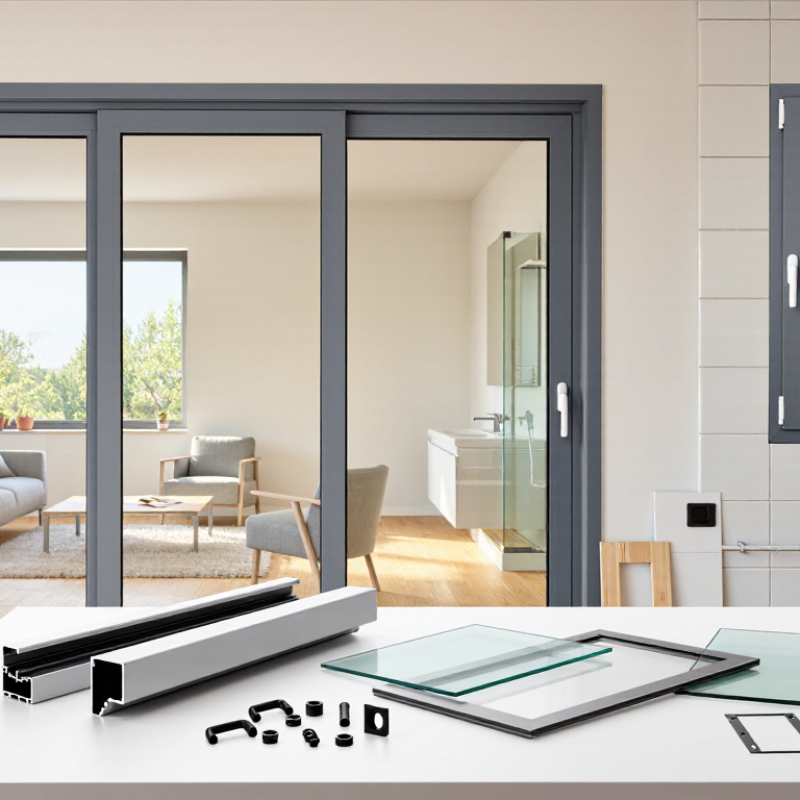
Why Do Aluminium Window Prices Vary?
Aluminium Window Price Basics: Frame, Glass, Hardware, and Installation
Aluminium window prices vary because each quote combines several costs. Frame size, profile depth, thermal breaks, custom colours, and unusual shapes can affect material use and production time. A slim standard frame may cost less than a deep frame made for a wide opening. Price alone, though, cannot show whether a window suits the room.
Glass can shift the total quickly. Double glazing, laminated panes, low-emissivity coatings, and acoustic options each change the specification. Compare the actual glass build, not just the phrase “double glazed.” Hardware matters too. Heavy sashes need suitable hinges, handles, and locking points. Cheaper fittings may feel rough or require adjustment sooner. Installation costs depend on access, old-frame removal, wall condition, sealing, and finishing. A clean opening is simpler than one with damaged reveals. Even careful estimates can miss small site issues.
Tips: Ask for itemised quotes showing frame dimensions, glass specification, hardware, and installation scope. Check who measures and who seals the frame. Keep a small allowance for repairs; that detail is easy to overlook.
| Price Factor | Indicative Cost Range | What Affects the Price | Typical Price Impact |
|---|---|---|---|
| Aluminium frame | US$140–US$300 per m² of window area | Frame dimensions, profile depth, finish, thermal-break design, and structural requirements. | Large openings and thermally broken profiles generally cost more than simple, non-thermal-break frames. |
| Glass and glazing | US$80–US$220 per m² of window area | Single, double, or triple glazing; low-emissivity coatings; gas fill; laminated or tempered safety glass. | Upgraded glazing can improve insulation, solar control, or safety, but increases the material cost. |
| Hardware | US$20–US$80 per window | Opening style, handle and lock type, hinge or roller specification, and hardware load rating. | Sliding, tilt-and-turn, or larger operable windows may need more complex or heavier-duty hardware. |
| Installation | US$100–US$250 per window | Window size, access, labour rates, removal of existing windows, opening preparation, sealing, and finishing work. | Replacement work or difficult access can add labour and disposal costs compared with straightforward new-build installation. |
| Window size and configuration | Project-specific | Overall dimensions, number of panels, fixed versus operable sections, and custom shapes. | Oversized or non-standard designs can require stronger profiles, special glass, and additional installation effort. |
| Illustrative combined estimate | Approximately US$340–US$850 per m² of window area, installed | Indicative combination of frame, glazing, hardware, and installation costs for a residential project. | Actual quotations depend on specifications, location, project conditions, taxes, and supplier pricing. |
Note: These are illustrative US-dollar ranges, not a market quotation. Hardware and installation are often priced per window rather than per square metre. Cost components may not be directly additive, and regional labour rates, taxes, delivery, and project-specific work can change the final price.
Quotes include frame dimensions, profile depth, glass, hardware, finishing, and installation. A deep frame for a wide opening usually needs more material. Price alone does not tell you whether it suits the room.
Compare the full glass build, not just “double glazed.” Coatings, laminated panes, and acoustic options can change the price. Ask for each pane’s specification in writing.
Difficult access, old-frame removal, damaged wall edges, sealing, and finishing can add work. A clean opening is simpler. Keep a small allowance for repairs; estimates can miss site details.
A window is placed in a chamber with a controlled pressure difference of 75 Pa. Technicians measure airflow through the specimen. Small gaps matter.
No. Uneven openings, damaged seals, or poor adjustments can change performance after installation. Ask whether the tested window resembles your planned size and configuration.
Custom shades or specialist anodised finishes may need extra preparation and checks. Wide or tall frames may require stronger profiles and hardware. More handling, too.
Repeated sizes can reduce setup time and cutting waste. But unusual mullions, custom finishes, packaging, and delivery can offset savings. Bulk does not guarantee a lower unit price.
Match dimensions, finish, glass, hardware, and delivery terms. Ask who measures and seals the frame. A cheaper quote may describe a different window. That is easy to overlook.
Aluminium Windows Prices vary because the total cost includes more than the frame. Glass type and thickness, hardware quality, and installation requirements all affect the final amount. Thermal breaks can add to the initial cost, but they help reduce heat transfer; the resulting performance is reflected in NFRC U-factor ratings, which indicate how well a window limits heat loss. Comparing these factors helps explain why windows with similar appearances may have different prices.
Performance specifications also matter. AAMA/WDMA/CSA grades can influence frame design and construction, while air leakage is assessed through testing at 75 Pa under ASTM E283. Finish choices, window dimensions, and order volume further shape the quote: custom colors or larger sizes may require additional materials or fabrication, whereas larger orders may change per-window costs. To compare estimates fairly, review the same specifications, performance requirements, and installation scope for each option.

 English