0%

An Aluminum Window uses aluminum frames to hold glass, seals, hardware, and drainage components. Its slim profile can create wider views and allow more daylight indoors. Unlike timber, aluminum does not rot, swell, or attract insects. It also resists corrosion when finished with a suitable coating and maintained correctly. Modern thermal breaks separate the inner and outer frame surfaces, reducing heat transfer. This detail matters in bedrooms, offices, and kitchens where indoor comfort can change quickly.

The question, “What Is an Aluminum Window and Why Choose It?” deserves a practical answer. Aluminum offers strength, clean appearance, and flexible design options for many building types. Architects often specify it for large openings because the frame can support substantial glass with less visual bulk. Experienced installers also check wall alignment, sill drainage, glazing pressure, and sealant quality. Small errors here can cause drafts or water entry. It is not perfect. Standard aluminum can conduct heat, and cheaper finishes may fade or scratch over time. Thermal-break systems, reliable hardware, and proper installation reduce these weaknesses, but they do not erase them. A useful choice depends on climate, window size, energy goals, and maintenance expectations. For example, a coastal home may need stronger corrosion protection than an inland apartment. Reviewing manufacturer test data and local installation guidance can prevent attractive but costly decisions. The best window is not simply the most modern one. It is the one that performs reliably in its actual setting.
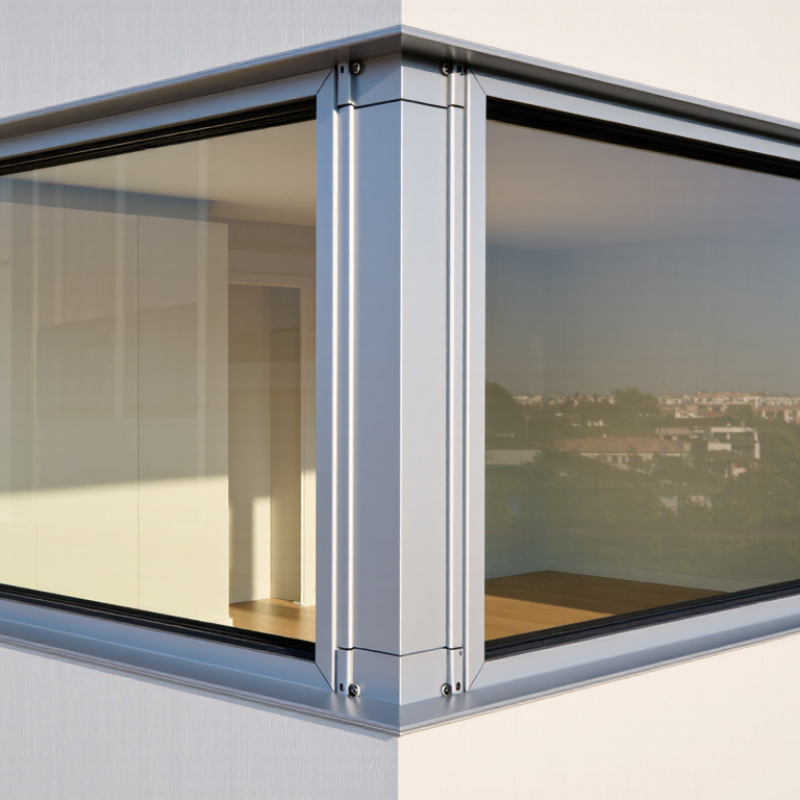
What Is an Aluminum Window and Why Choose It?

What Is an Aluminum Window?

What Is an Aluminum Window?

An aluminum window uses an extruded aluminum frame to hold glass, seals, and operating hardware. Aluminum is light, rigid, and resistant to warping. It also supports narrow sightlines, allowing more daylight through the opening. In practice, installers value its stable edges around large panes. I have found one limitation, though: bare aluminum conducts heat quickly. That weakness matters in cold or hot climates.

Modern frames often include a thermal break, usually a reinforced plastic section separating indoor and outdoor aluminum. This reduces heat transfer through the frame. The U.S. Department of Energy reports that low-emissivity coatings can reduce window energy loss by 30% to 50%, compared with clear glass. However, the glass package, frame design, installation quality, and air sealing all affect real performance. A premium specification can still perform poorly when fitted carelessly.

Durability is another practical reason to choose aluminum. Properly finished frames resist corrosion and need little repainting. The International Aluminium Institute states that recycling aluminum uses about 95% less energy than producing primary aluminum. That supports circular material use, although recycling rates vary by region. Aluminum also feels less warm than timber. That is not a defect, but it can influence interior comfort near the frame. Choose a thermally improved system, suitable glazing, and verified performance data for the local climate.

How Aluminum Windows Are Designed and Manufactured

What Is an Aluminum Window and Why Choose It?

How Aluminum Windows Are Designed and Manufactured

Aluminum windows begin with extruded profiles shaped for strength, drainage, and clean sightlines. Manufacturers heat aluminum billets, force them through precision dies, then age the profiles for stability. The frame is not finished yet.

Designers add a thermal break, often made from reinforced polyamide, between the inner and outer frame sections. This reduces heat transfer through the metal. Insulating glass, low-emissivity coatings, gaskets, and compression hardware complete the performance system. Small details matter. Poor drainage can undermine an excellent frame.

The U.S. Department of Energy estimates that windows can account for 25–30% of residential heating and cooling energy use. Therefore, manufacturers test the complete window, not only the aluminum profile. The National Fenestration Rating Council evaluates U-factor and solar heat gain coefficient, helping buyers compare tested products. Air leakage, water resistance, and wind-load testing also guide quality control.

Manufacturing usually includes cutting, CNC machining, corner joining, surface finishing, glazing, and final inspection. Powder coating or anodizing protects the surface and changes its appearance. The International Aluminium Institute’s 2023 life-cycle data shows that primary aluminum production remains carbon intensive, with emissions varying significantly by electricity source. Recycled aluminum can reduce this burden, but recycling depends on collection and separation systems. The trade-off is real. Aluminum is durable, yet design decisions still need scrutiny.

What Is an Aluminum Window and Why Choose It? - How Aluminum Windows Are Designed and Manufactured

Category Design or Manufacturing Dimension Typical Information Why It Matters
Material Frame composition Aluminum alloy profiles are shaped by extrusion and then cut, machined, finished, and assembled. Aluminum provides a strong, lightweight, corrosion-resistant base for window frames.
Structural Performance Strength-to-weight ratio Aluminum frames can support large glass areas while remaining relatively slim compared with many heavier framing materials. Slim sightlines can increase daylight and provide a clean contemporary appearance.
Thermal Design Thermal break A non-metallic insulating section separates the interior and exterior portions of the frame in thermally improved systems. It reduces heat transfer through the frame and helps limit interior condensation in suitable conditions.
Glazing Glass configuration Options may include single, double, or triple glazing, depending on climate, building requirements, and energy targets. Glass selection strongly affects insulation, solar control, noise reduction, safety, and visible light transmission.
Weather Resistance Seals and drainage Gaskets, corner joints, weep paths, and properly designed sills help manage air and water movement. Correct detailing helps protect the building interior from drafts and rain penetration.
Surface Finish Protective coating or anodizing Common finishes include anodized surfaces and factory-applied powder coatings in a range of colors. The finish improves appearance and helps protect the aluminum from normal environmental exposure.
Manufacturing Stage 1 Billet preparation and extrusion Heated aluminum billets are pressed through shaped dies to create continuous profiles with the required cross-section. Extrusion creates precise hollow or multi-chamber profiles for frames, sashes, tracks, and glazing components.
Manufacturing Stage 2 Cutting and machining Profiles are cut to size and machined for drainage holes, locks, hinges, handles, fasteners, and corner connections. Accurate machining supports proper alignment, operation, drainage, and hardware installation.
Manufacturing Stage 3 Finishing The prepared profiles are cleaned and finished through anodizing or powder coating, followed by inspection. A consistent finish supports long-term appearance and surface protection.
Manufacturing Stage 4 Assembly and glazing Frames are joined, hardware and seals are installed, and the selected glass unit is secured with glazing components. Assembly quality affects smooth operation, air tightness, water resistance, and service life.
Maintenance Routine care Regular cleaning, clear drainage channels, and periodic inspection of seals and hardware are generally recommended. Basic maintenance helps preserve operation, weather performance, and appearance.
Sustainability Recyclability Aluminum can be recycled repeatedly when it is collected and processed through suitable recycling systems. Recyclability can support material recovery at the end of a window’s service life.
Best-Fit Applications Project suitability Common uses include homes, offices, retail buildings, schools, high-rise projects, renovations, and large glazed openings. The combination of strength, design flexibility, slim profiles, and finish options suits many architectural styles.

Note: Actual thermal, acoustic, air, water, and structural performance depends on the complete window system, glass specification, installation method, and local building conditions.

Key Features and Performance of Aluminum Windows

What Is an Aluminum Window and Why Choose It?

Key Features and Performance of Aluminum Windows

Aluminum windows use strong, lightweight frames made from formed metal sections. Their slim profiles create more glass area without making the structure feel weak. This design brings daylight deeper into rooms and supports broad views. A well-made frame should open smoothly, close firmly, and resist twisting over time.

Thermal performance depends on more than the frame material. Modern profiles often include a thermal break, which reduces heat transfer through the metal. Double or triple glazing, warm-edge spacers, and tight seals improve indoor comfort. These parts also help reduce outside noise, although glass thickness and installation quality matter. Performance is measured through values such as U-factor, air leakage, water resistance, and structural testing.

Aluminum also handles sunlight, rain, and regular cleaning with limited maintenance. Powder-coated or anodized surfaces can protect the frame, but poor drainage may still cause problems. In coastal areas, salt exposure deserves extra attention. A practical inspection should check corner joints, weep holes, gasket condition, and locking points. Installation is easy to underestimate. Even an excellent window may leak if the opening is uneven or the flashing is incomplete. No frame is perfect. A heavier profile may feel more durable, yet it can increase cost and affect handling during installation. Good decisions balance climate, glass selection, ventilation needs, and long-term upkeep.

Why Choose Aluminum Windows for Your Building?

Aluminum windows use lightweight metal frames to support glass panels in homes, offices, and public buildings. Their strength allows slimmer profiles and larger openings, bringing more daylight indoors. This can make a small room feel noticeably wider. Aluminum also resists warping, cracking, and insect damage better than many traditional frame materials.

The main reason to choose aluminum windows is their balance of durability and design flexibility. Modern frames can include thermal breaks, which reduce heat transfer through the metal. Double or triple glazing can improve insulation and reduce outside noise. Powder-coated finishes offer many color options and usually require little maintenance. In busy buildings, this practical performance can lower repair demands over time.

However, aluminum is not automatically the best choice for every project. Poorly designed frames may feel cold indoors or create condensation during humid weather. Coastal buildings also need suitable corrosion protection and regular hardware checks. Installation quality matters as much as the frame itself. A small gap around the window can allow drafts and water entry. I have found that attractive, slim frames sometimes receive more attention than drainage details. That is a mistake worth reconsidering. Before choosing, compare local climate, glass performance, frame insulation, cleaning access, and expected service life.

Why Choose Aluminum Windows for Your Building?

Aluminum window frames combine slim profiles, high structural strength, durability, and recyclability. The chart below compares the typical thermal conductivity of common frame materials. Because aluminum conducts heat efficiently, high-performance aluminum windows should include a thermal break and insulated glazing to improve energy efficiency.

Typical bulk-material values at room temperature; actual window performance depends on frame design, thermal breaks, glazing, and installation.

How to Select the Right Aluminum Window for Your Needs

What Is an Aluminum Window and Why Choose It?

Selecting the right aluminum window starts with the building, not the frame color. Aluminum offers slim sightlines, strong profiles, and reliable resistance to warping. It suits large glazed openings, coastal homes, offices, and high-use entrances. However, untreated aluminum conducts heat quickly. A thermally broken frame can reduce heat transfer through the profile. This detail matters in both hot and cold climates.

Check the window’s U-factor, solar heat gain coefficient, air leakage, and visible transmittance. Lower U-factor usually means better insulation. A lower solar heat gain coefficient can reduce unwanted summer heat. The U.S. Department of Energy reports that windows may account for 25–30% of residential heating and cooling energy use. That figure makes glass selection impossible to ignore. Use National Fenestration Rating Council-certified ratings when comparing products. They provide more dependable performance data than sales language.

Match the window to local weather and daily use. In a hot climate, consider low solar gain glass and exterior shading. In a cold climate, prioritize low U-factor glass and warm-edge spacers. For windy sites, ask for structural and water-infiltration test results. Coastal projects may need corrosion-resistant finishes and suitable drainage paths. I have seen attractive frames fail because installers ignored sill drainage. Small details matter. Also inspect hardware, gaskets, and replacement access. A cheaper window can become expensive after one difficult repair. I would not choose aluminum automatically; thermal breaks, glazing, installation quality, and climate must work together.

FAQS

What is an aluminum window?

It uses an extruded aluminum frame to hold glass, seals, and operating hardware. The frame is light, rigid, and resistant to warping.

Why are aluminum windows suitable for large openings?

Their strong profiles support large glass panes and narrow sightlines. More daylight can enter the room. Large openings still need proper structural testing.

What is a thermal break?

A thermal break separates indoor and outdoor aluminum with an insulating plastic section. It slows heat transfer through the frame.

Do aluminum windows provide good insulation?

They can, but bare aluminum conducts heat quickly. Choose thermal breaks, low-emissivity glass, warm-edge spacers, and careful air sealing.

How should I choose glazing for a hot climate?

Consider low solar heat gain glass and exterior shading. These choices can reduce unwanted afternoon heat near sunny windows.

How should I choose glazing for a cold climate?

Prioritize a low U-factor, insulating glass, and warm-edge spacers. Check the complete window rating, not only the glass label.

What performance ratings should I compare?

Compare U-factor, solar heat gain coefficient, air leakage, and visible transmittance. Certified ratings are more reliable than attractive sales wording.

Can aluminum windows work near the coast?

Yes, with corrosion-resistant finishes, suitable drainage, and regular inspection. Salt air is demanding. Ignoring drainage can cause premature problems.

What installation details matter most?

Installers must seal air gaps, protect sill drainage, and align the frame correctly. A premium window can perform poorly when installed carelessly.

Are aluminum windows environmentally practical?

Aluminum can be recycled using far less energy than producing new material. Actual benefits depend on local collection and recycling systems.

Conclusion

An Aluminum Window is a modern building component made from lightweight, durable aluminum frames combined with glass and suitable hardware. Its design and manufacturing process typically includes precision cutting, forming, surface treatment, and assembly to create a stable structure with a clean appearance. Depending on the building’s requirements, aluminum windows can be configured with different opening styles, glass options, insulation systems, and finishes.

Aluminum windows are valued for their strength, corrosion resistance, low maintenance needs, and ability to support large glass areas. They can improve natural lighting, ventilation, weather protection, and overall architectural appearance. When choosing the right option, consider the building’s location, climate, energy-efficiency goals, window size, opening method, security needs, installation conditions, and budget. A well-selected aluminum window should balance performance, durability, appearance, and long-term maintenance requirements.

Seraphina

Seraphina

Seraphina is a dedicated marketing professional with a deep understanding of the company’s products, market positioning, and customer needs. With a strong background in strategic communication, content development, and digital marketing, she transforms complex product information into clear,......