Choosing the best Aluminium Door With Window in 2026 requires more than comparing frame colors or catalogue prices. Climate, glazing, installation quality, and daily use all matter. The International Energy Agency reports that buildings consume approximately 30% of global energy and produce about 26% of energy-related emissions. Better doors can help, but only when the complete system performs well. A thermally broken aluminium frame, low-emissivity double or triple glazing, and continuous weather seals should work together.
Industry evidence supports this approach. The International Aluminium Institute states that recycled aluminium requires about 95% less energy than primary aluminium production. This strengthens aluminium’s sustainability case, especially when manufacturers disclose recycled content and responsible sourcing. However, sustainability claims deserve checking. “Eco-friendly” is not a performance rating. Ask for verified environmental product declarations, thermal transmittance values, air-leakage results, and water-penetration testing. FGIA and European testing standards provide useful benchmarks for these measurements.
The best door also depends on the room. A south-facing opening may need solar-control glass, while a shaded entrance may benefit from higher visible-light transmission. In coastal areas, powder coating quality and corrosion protection become critical. A narrow black frame may look elegant beside a warm timber floor, yet it can reveal condensation if the thermal break is weak. Small details matter.
There is no universal winner. A high price can still hide poor installation. Even the strongest product may underperform after careless fitting. This guide compares aluminium doors with windows through measurable performance, practical experience, and long-term value. The answer may be less glamorous, but it should be dependable.
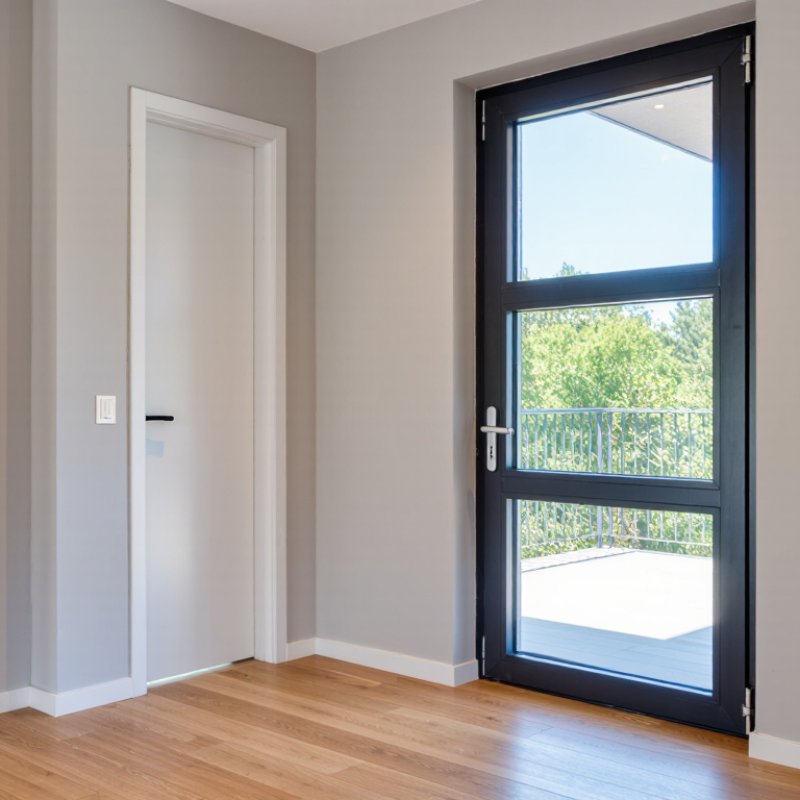
Defining the Best Aluminium Door With Window for 2026
The best aluminium door with window is not simply the largest or most stylish option. It should suit the building, climate, and daily routine. After inspecting residential installations, I look closely at frame strength, weather seals, glass performance, and hardware movement. A door that closes smoothly on day one should still feel stable years later.
Thermal performance matters more in 2026. Choose a thermally broken aluminium frame where indoor comfort is important. Low-emissivity double glazing can reduce heat transfer and outside noise. In colder regions, check the whole door system, not just the glass rating. Poor installation can create drafts around the sill. Small gaps become obvious during winter.
Safety needs practical attention. Use laminated or toughened safety glass, secure multi-point locking, and hinges designed for the panel’s weight. A wide opening looks attractive, but it may require stronger hardware and more maintenance. Measure the wall opening carefully. Uneven floors can cause rubbing, even with a high-quality frame.
I would also question oversized windows in exposed locations. They may improve daylight but increase heat gain and cleaning work. Powder-coated finishes generally resist weathering, although color fading can still occur over time. Ask for test data, installation details, and warranty terms in writing. Specifications can sound impressive. Real performance depends on correct fitting, drainage, and regular seal inspection.
Choosing an aluminium door with a window starts with the frame, not the finish. A thermally broken aluminium profile reduces heat transfer through the metal. Look for polyamide insulation strips with continuous coverage around the frame. Recycled aluminium can reduce material impact, but its quality still depends on alloy control and fabrication. In practice, I inspect corner joints closely. Clean welds or reinforced mechanical joints should feel rigid, without twisting under hand pressure.
The glass needs equal attention. Double glazing with a low-emissivity coating can improve indoor comfort in many climates. Tempered glass offers impact resistance, while laminated glass helps hold fragments together after breakage. Ask for the actual glass thickness and spacer type. “Energy efficient” alone is too vague. A warm-edge spacer may reduce condensation along the glass edge, though installation errors can cancel that benefit.
Construction details often decide long-term performance. Multi-point locking, adjustable hinges, and EPDM seals should operate smoothly after repeated use. Drainage channels must lead water outward, not into the wall cavity. Powder coating is durable, but exposed cut edges still deserve inspection. I have seen impressive frames fail because installers skipped sill flashing. That is an uncomfortable reminder: even the best materials cannot correct poor measuring or uneven openings. Check tolerances, fastener spacing, and sealant compatibility before the door is fitted.
What Is the Best Aluminium Door With Window in 2026?
Evaluating Energy Efficiency, Security, and Weather Resistance
A strong aluminium door with a window should control heat, protect the home, and resist difficult weather. These qualities must work together.
For energy efficiency, inspect the frame’s thermal break and the window’s glazing specification. Low-emissivity double glazing can reduce heat transfer and indoor condensation. The door should close evenly, with continuous seals around the frame. Small gaps often create cold drafts. Check the stated U-value, but do not trust numbers without test conditions. Installation quality matters just as much.
Security requires more than a heavy frame. Look for a multipoint locking system, reinforced hinges, laminated or toughened glass, and a cylinder resistant to common tampering methods. A narrow viewing panel can improve visibility without exposing too much interior space. I would also examine how the hinges and lock points are fixed into the surrounding wall.
Weather resistance becomes obvious during storms. Effective drainage channels should move rain away from the threshold. Seals must remain flexible through seasonal temperature changes. Powder-coated aluminium usually handles sunlight and moisture well, although scratched surfaces still need attention. No door is perfect. Even a well-tested unit can perform poorly when the sill is badly levelled or the frame is poorly sealed. That detail is easy to underestimate.
What Is the Best Aluminium Door With Window in 2026?
The best aluminium door with a window depends on your room, climate, and daily habits. I have found that slim frames bring in more daylight, but they can expose poor glass choices. A thermally broken frame improves comfort near the doorway. Check the drainage channels, seals, and threshold before judging appearance.
Double glazing with low-emissivity coating suits many homes because it reduces heat transfer. Laminated glass adds security and limits dangerous sharp fragments after breakage. For bathrooms or street-facing rooms, frosted glass protects privacy without blocking all daylight. Clear glass feels open, though fingerprints and evening visibility can become annoying.
Your opening style also matters. Hinged doors seal tightly and suit compact entrances. Sliding doors save floor space, but their tracks need regular cleaning. Folding systems create a wide opening, yet they require accurate installation and strong hardware. A small design mistake can cause rubbing or uneven gaps.
Tips: Measure the finished opening, not only the old frame. Ask for glass performance data and warranty terms. Test the handle height and opening direction in person. Leave enough space for curtains, furniture, and cleaning. I once preferred a wider glass panel, but later noticed stronger afternoon glare. That reminder still influences my choices.
What Is the Best Aluminium Door With Window in 2026?
Installation quality often matters more than the aluminium frame itself. A reliable unit needs accurate opening measurements, a level sill, continuous flashing, and clear drainage paths. Thermal breaks should separate the interior and exterior frame sections. They reduce cold bridging and interior condensation. The U.S. Department of Energy reports that windows can cause 25–30% of residential heating and cooling energy use. Therefore, low-emissivity glazing and tight weather seals deserve serious attention. A beautiful frame cannot fix poor installation.
Maintenance is usually simple, but not effortless. Inspect seals twice yearly, clean drainage holes, and remove salt or grit from coastal frames. Hinges and rollers may need light, manufacturer-approved lubrication. The International Aluminium Institute reports that recycled aluminium requires up to 95% less energy than primary aluminium production. This supports long-term material value, especially where replacement parts remain available. Still, energy savings depend on glazing, orientation, shading, and installation accuracy. That part is easy to underestimate. A 2024 building-envelope assessment from the National Institute of Standards and Technology also emphasizes that moisture control and air leakage strongly influence durability. My practical view is cautious: choose tested performance data, not showroom appearance. A slightly cheaper door may become expensive after warped seals, water staining, or difficult hardware replacement.
Look for a thermally broken frame with continuous insulation strips. It reduces heat transfer. Strong corner joints should feel rigid, not twist under hand pressure.
Double glazing with a low-emissivity coating often improves indoor comfort. Ask for the glass thickness and spacer type. “Energy efficient” is too vague.
Laminated glass helps hold fragments together after breakage. It also suits doors near busy walkways or living areas. Choose based on practical risk, not appearance alone.
Frosted glass works well in bathrooms and street-facing rooms. It improves privacy while allowing daylight inside. Clear glass feels brighter, but fingerprints can become irritating.
Hinged doors seal tightly and suit compact entrances. Sliding doors save floor space, but tracks collect grit. Folding systems open widely and need accurate installation.
Measure the finished opening, not only the old frame. The sill should be level, flashed, and properly drained. Small gaps can cause rubbing, leaks, or uneven sealing.
Inspect seals twice yearly and clean drainage holes. Remove salt and grit from coastal frames. Hinges and rollers may need approved light lubrication.
Recycled aluminium can reduce material impact and production energy. However, alloy quality and fabrication still matter. Replacement parts matter too. A cheap door may become expensive later.
Choosing the best Aluminium Door With Window in 2026 involves more than selecting an attractive frame. A high-quality option should combine durable aluminium construction, reliable hardware, effective thermal performance, and weather-resistant sealing. Key factors include frame strength, corrosion protection, insulated profiles, low-maintenance finishes, and glass that supports comfort, daylight, and noise reduction. Security should also be considered through robust locks, reinforced hinges, and impact-resistant design where appropriate.
The ideal door depends on the building’s layout, climate, and daily use. Buyers should compare single or double openings, sliding or hinged styles, glazing options, ventilation needs, and accessibility. Professional installation can help ensure correct alignment, drainage, insulation, and long-term operation. With regular cleaning, occasional hardware checks, and timely seal replacement, a well-designed Aluminium Door With Window can provide lasting value, improved energy efficiency, enhanced security, and a refined appearance for residential or commercial spaces.