Choosing the China Best Aluminium Doors And Windows Supplier requires more than comparing prices. It requires evidence.
The International Energy Agency reports that buildings consumed about 30% of global final energy in 2022. They also produced approximately 26% of energy-related emissions. This makes thermal performance, airtightness, and responsible material selection essential. Aluminium frames can support slim profiles, large glass areas, corrosion resistance, and long service life. However, poor design can still create condensation, heat loss, and uncomfortable rooms.
The International Aluminium Institute states that recycled aluminium uses about 95% less energy than primary aluminium production. That figure matters when suppliers explain their billet sources, recycled content, and factory controls. Grand View Research also identifies construction as a major application area for aluminium doors and windows, supported by urban development and renovation demand.
Michael Stacey, author of Aluminium and Architecture, describes aluminium as combining “lightness, strength and durability.” The phrase sounds simple. It is not enough by itself.
A reliable Chinese supplier should provide thermal test results, air and water resistance reports, alloy specifications, coating warranties, and installation guidance. Ask for project photographs. Ask for failed-project lessons, too. That answer can reveal more than a polished catalogue.
Look closely at the corners. Check the drainage holes. Test the hardware movement.
The best Aluminium Doors And Windows supplier is not always the cheapest manufacturer. It is the partner that connects engineering data with consistent production. Some online claims remain difficult to verify. That is where careful comparison, factory audits, and independent testing become necessary.
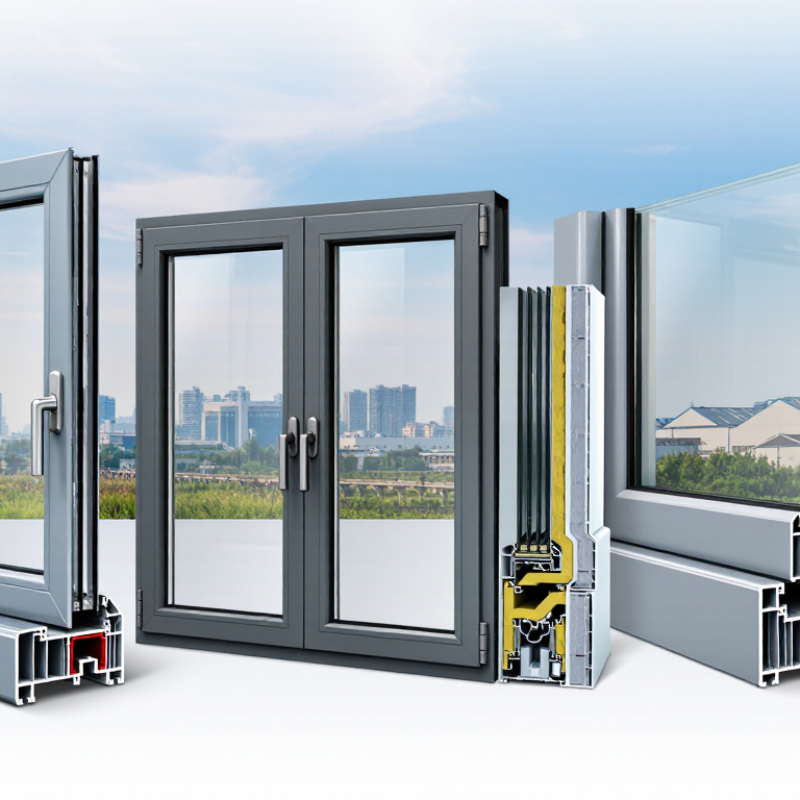
Aluminium doors and windows suit homes, offices, hotels, and industrial buildings. Common types include sliding doors, hinged doors, folding systems, casement windows, and tilt-and-turn windows. Sliding doors save interior space and create wide openings. Hinged doors usually provide stronger sealing. Folding systems work well for patios, cafés, and meeting areas.
Aluminium frames are lightweight, corrosion-resistant, and dimensionally stable. Powder-coated or anodized surfaces can withstand sunlight and daily handling. Thermal-break profiles reduce heat transfer through the frame. Double or triple glazing improves insulation and sound control. Low-E glass may help reduce indoor heat gain. Hardware quality matters too. Weak rollers can make a large sliding panel difficult to operate.
In coastal areas, protective finishes and stainless-steel hardware deserve careful attention. For busy entrances, laminated safety glass and reinforced hinges offer practical protection. Offices may need acoustic glass near roads or airports. Bathrooms and kitchens benefit from moisture-resistant finishes. A frequent planning mistake is choosing frames by appearance alone. Drainage, wall structure, glass weight, and local weather must be checked together. I have found that small installation errors can cause drafts, water leaks, or difficult operation. Reliable suppliers should provide section drawings, performance data, finish samples, and clear installation guidance. Test reports are useful, but site conditions still require professional review.
China’s aluminium door and window manufacturing industry has grown from basic fabrication into a highly organized production sector. Many factories now combine CNC cutting, automated drilling, thermal-break assembly, and controlled powder coating. These processes improve dimensional accuracy and surface consistency.
A dependable supplier should explain the alloy, glass specification, hardware grade, and production tolerance clearly. Common aluminium profiles include 6063-T5, valued for its finish and suitable strength. Thermal-break systems can reduce heat transfer, especially when paired with double glazing and properly sealed joints. Before shipment, serious manufacturers usually check frame dimensions, drainage paths, coating thickness, and hardware operation. Air, water, and wind-load testing also provide useful evidence, not just attractive catalog images.
The industry is not flawless. Some workshops still rely heavily on manual measurements, which can create small alignment errors during installation. A low quotation may hide thinner profiles, weaker seals, or incomplete testing records. I have also seen projects where the window design looked excellent but ignored local weather and wall conditions. That mistake becomes expensive on site. Buyers should request sample sections, inspection photos, packing details, and clear replacement terms. Production experience matters, but honest communication matters more when drawings change or tolerances are missed. A capable Chinese supplier should welcome technical questions, record revisions carefully, and make performance claims that can be verified.
China’s aluminium door and window market is broad, but supplier quality varies sharply. The International Aluminium Institute projects global aluminium demand could rise by about 80% by 2050. This growth increases pressure on raw materials, energy use, and production controls. A reliable supplier should disclose alloy grades, temper, profile thickness, and coating specifications. Ask for batch records, not only polished brochures.
Small details matter.
Request independent testing for air leakage, water penetration, wind resistance, and thermal performance. Standards such as EN 14351-1, ASTM E283, ASTM E331, and ASTM E330 can clarify test conditions. An ISO 9001 certificate supports process control, but it does not guarantee every product. Verify its scope and issuing body. The International Aluminium Institute reports that recycled aluminium uses roughly 5% of the energy required for primary aluminium. Ask whether recycled content is traceable, rather than accepting vague environmental claims.
Visit the factory by video or in person. Watch extrusion storage, corner joints, drainage holes, glass handling, and packing methods. Request a production sample before signing a large order. Measure frame corners yourself. Look for uneven gaskets or weak hardware.
I have seen attractive samples fail because drainage paths were blocked. That lesson is easy to miss.
Supplier evaluation is never purely about price; after-sales response, replacement procedures, inspection access, and clear tolerances deserve equal attention.
A reliable supplier should prove quality through records, not polished showroom photos. For aluminium profiles, 6063-T5 or 6063-T6 alloys are common choices because they balance strength, finish quality, and machinability. The supplier should provide mill certificates, coating thickness reports, and batch traceability. Powder coating should be tested for adhesion, color stability, and corrosion resistance under the target climate.
Standards matter. EN 14351-1 applies to external windows and doors in many European projects, while ASTM E283 measures air leakage and ASTM E331 evaluates water penetration. These tests need complete assemblies, not isolated profiles. Watch the details. A strong thermal break can still fail when corner joints are poorly crimped. Proper EPDM gaskets, drainage paths, and controlled installation gaps are essential.
Material choices also affect environmental performance. The International Aluminium Institute reports that recycling aluminium uses about 95% less energy than producing primary aluminium. Ask for recycled-content evidence, environmental declarations, and responsible sourcing records. ISO 9001 supports process control, but it does not automatically guarantee a durable window. In practice, factory audits should inspect extrusion straightness, glazing pressure, sealant application, and final packaging. One weakness remains easy to miss: suppliers may pass laboratory tests yet overlook installation instructions. That gap deserves careful review.
Choosing a China-based aluminium door and window supplier requires more than comparing catalogue prices. UNEP’s 2023 Global Status Report states that buildings consumed about 30% of global final energy in 2022. That number matters. For hot climates, thermal breaks, low-emissivity glass, and proper weather seals deserve close attention. The U.S. Department of Energy estimates that windows can represent 25–30% of residential heating and cooling energy use. Ask for tested U-values, air leakage results, and water resistance data. Do not accept vague “energy-saving” claims.
Sourcing becomes safer when specifications are written clearly. Request the aluminium alloy, wall thickness, thermal-break width, glass build-up, hardware grade, coating standard, and color reference. Provide opening dimensions, wind-load requirements, drainage details, and installation drawings. Pricing depends on profile weight, glass type, finishing, accessories, packaging, and order volume. Compare complete delivered costs, not only the price per square meter. A cheaper frame can hide thinner walls or weaker hardware. Customization is useful, but excessive design changes can create delays and replacement risks.
Before production, approve a physical sample and inspect critical joints. Packaging is often underestimated. Export documents should match product descriptions, quantities, weights, and destination requirements. Confirm Incoterms, insurance responsibility, pallet dimensions, and container loading plans in writing. Even experienced buyers miss small details. A revised drawing can prevent a costly batch error. Supplier audits, traceable quality records, and independent pre-shipment inspections provide stronger evidence than polished sales presentations.
Sliding doors save floor space and create broad openings. Hinged doors usually seal more tightly. Folding systems suit patios, cafés, and meeting spaces. Casement and tilt-and-turn windows offer flexible ventilation.
Aluminium frames are lightweight, corrosion-resistant, and dimensionally stable. Their surfaces can handle sunlight and frequent daily contact. They suit homes, offices, hotels, and industrial buildings.
Thermal-break profiles reduce heat transfer through the frame. Double or triple glazing improves insulation and sound control. Low-emissivity glass may limit indoor heat gain. Sealed joints still matter greatly.
Acoustic glass can reduce traffic or aircraft noise. Laminated safety glass offers practical protection at busy entrances. Reinforced hinges may support heavier door panels. Glass selection needs professional review.
Coastal air can accelerate corrosion on exposed components. Protective finishes and stainless-steel hardware deserve careful attention. Drainage must remove trapped water. Small oversights become expensive.
Ask for alloy details, glass specifications, hardware grades, and production tolerances. Request section drawings, finish samples, inspection photos, and packing details. Air, water, and wind-load test records can support performance claims.
It can hide thinner profiles, weaker seals, or incomplete testing. A cheap frame may become costly during installation. The lowest price is not always the safest choice.
Poor measurements can cause drafts, water leaks, and difficult operation. Wall structure, glass weight, drainage, and local weather must be checked together. Attractive designs can still fail on site. I may be too cautious, but installation deserves equal attention.
China has become a major source of Aluminium Doors And Windows, offering a wide range of styles for homes, offices, commercial buildings, and industrial projects. Available options include sliding, folding, hinged, lift-and-slide, and thermal-break systems, each designed to provide durability, energy efficiency, ventilation, security, and visual appeal. The industry combines advanced equipment, skilled production teams, and flexible manufacturing capabilities to support both standard and customized designs.
When selecting a reliable Chinese supplier, buyers should review product specifications, material grades, surface treatments, hardware quality, testing procedures, and quality management systems. Important considerations include aluminum alloy strength, glass configuration, thermal insulation, weather resistance, dimensional accuracy, and production consistency. Clear communication about drawings, colors, sizes, packaging, shipping terms, minimum order quantities, and delivery schedules is also essential. Comparing quotations should involve total project value rather than price alone, ensuring that customization, quality control, export preparation, and after-sales support are properly included.