Factory-direct CE-compliant aluminium structural windows, burglar-proof entry systems, and architectural envelopes built to European resistance standards.
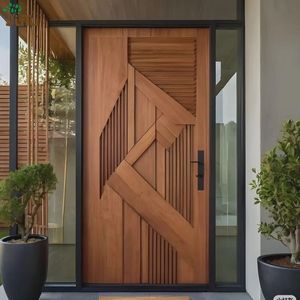
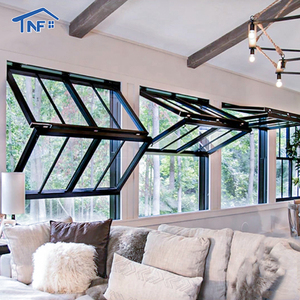
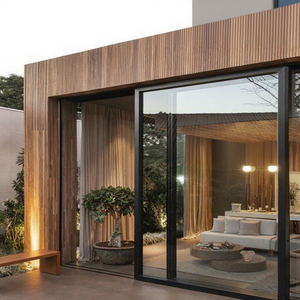
Understanding the structural dynamics, anti-intrusion standards, and material science behind EN 1627–1630 resistance classes for global architectural deployment.
Modern burglar-resistant window fenestration must comply with strict European Standard EN 1627 to EN 1630 testing criteria. Certified systems are categorized into Resistance Classes (RC1N through RC6) depending on their ability to resist opportunistic forced entry using heavy-duty manual tools such as crowbars, pipe wrenches, steel wedges, and high-torque electric drills. The CE marking ensures full compliance with the European Construction Products Regulation (CPR Directive EU No 305/2011).
Structural integrity begins with alloy chemistry. Utilizing high-tensile 6063-T6 or 6060-T66 extruded aluminium profiles with a nominal wall thickness ranging from 1.6mm to 2.5mm, these windows provide exceptional torsional rigidity. The mechanical tensile strength (>205 MPa) prevents frame deflection under extreme static loads, lever forces, or impact pressure during burglary attempts.
Standard latch locks are vulnerable to prying. Security windows integrate perimeter multi-point locking hardware with hardened mushroom cam keepers. Heavy-duty zinc-alloy drive rods engage stainless steel strike plates across multiple points along the frame. Concealed anti-lift hinge blocks and drill-resistant manganese steel backing plates protect gearboxes against mechanical attack.
Comparative engineering breakdown of CE EN 1627 intrusion protection ratings for commercial and luxury residential fenestration project procurement.
| Resistance Class (RC) | Target Intruder Profile | Test Tool Palette | Minimum Attack Resistance Time | Glazing Requirement (EN 356) | Recommended Project Application |
|---|---|---|---|---|---|
| RC 2 / RC 2N | Opportunistic intruders using basic force | Screwdrivers, pliers, wooden wedges, small hand saws | 3 Minutes (Static/Dynamic Load Tested) | P4A Laminated Glass (2.28mm PVB) | Standard Residential Villas, Upper Floor Apartments |
| RC 3 | Experienced intruders using leverage & mechanical tools | Crowbars, heavy screwdrivers, claw hammers, hand drills | 5 Minutes (Continuous Mechanical Attack) | P5A Laminated Security Glass | Ground Floor Commercial, Luxury Estates, High-Risk Residential |
| RC 4 | Professional burglars carrying specialized heavy tools | Axes, chisels, cordless electric drills, battery angle grinders | 10 Minutes (Heavy Duty Penetration) | P6B to P8B High-Security Laminated / SGP | Banks, Government Institutions, Luxury Jewelry Showrooms |
| RC 5 / RC 6 | Targeted tactical entry using high-power electrical tools | Power saws, heavy grinders, tungsten carbide drill bits | 15 – 20 Minutes (Extreme Structural Attack) | Bullet-Resistant (EN 1063 BR4-BR7) | Consulates, Military Facilities, Secure Vault Enclosures |
How evolving building performance regulations, smart automation, and low-carbon policies are shaping the high-security aluminium fenestration industry.
Architects are demanding minimal frame sightlines without compromising mechanical strength. The market is shifting rapidly toward ultra-slim sash profiles with fully concealed hardware hinges and embedded lock gearing. Internal steel rib reinforcements allow slim frames (under 50mm visible width) to achieve RC3 security ratings while offering expansive glass areas.
Future burglar windows are no longer purely passive structural elements. Procurement specs increasingly require integration with smart home automation and access control systems. Motorized multi-point locking actuators, magnetic glass break sensors, and encrypted biometric authentication allow remote locking verification, auto-closing triggers during intrusion detection, and immediate monitoring alerts.
The global push for net-zero operational carbon requires high security combined with extreme thermal insulation. Integrating multi-chamber polyamide thermal break strips (PA66-GF25 Technoform insulation bars) and aerogel cavity fillers allows burglar-resistant windows to achieve overall U-values below 0.80 W/m²K (Uw), fulfilling European Passivhaus standards.
Coastal and hurricane-prone zones require multifunctional envelopes. B2B buyers are procuring dual-certified systems that satisfy both CE EN 1627 anti-burglary standards and ASTM E1996 / TAS 201 Large Missile Impact specifications. Utilizing SentryGlas® (SGP) structural interlayers bonded to heavy-gauge extruded aluminium profiles eliminates the need for unsightly external security bars or storm shutters.
Backed by Doorreme’s 123,000 m² industrial production complex in Foshan, delivering engineered custom fenestration solutions to over 140 countries since 2004.
Our manufacturing base operates high-precision automated CNC cutting and milling centers (Emmegi and Elumatec equipment). Machining tolerances are held within ±0.1mm, ensuring flawless corner mitering, rigid mechanical corner-cleat crimping, and tight gasket compression required for waterproof and forced-entry resilience.
Every commercial development or residential project has unique architectural parameters. Our engineering team prepares comprehensive AutoCAD production drawings, structural wind-load calculation reports, and 3D BIM models before fabrication. We work closely with contractors and developers to ensure local building code compliance.
From raw aluminium billet spectral analysis to fluoropolymer PVDF coating thickness checks (AAMA 2605 certified), our in-house testing facility subjects complete window units to air permeability (EN 12207), water tightness (EN 12208), wind resistance (EN 12210), and static mechanical torque testing prior to wooden crate packaging.
Technical and commercial clarity regarding compliance, minimum order quantities, customization, and export logistics.
We supply a complete CE Declaration of Performance (DoP) in compliance with EN 14351-1, third-party laboratory test reports for EN 1627 RC2/RC3/RC4 resistance classes, structural glass engineering certificates, and official mill test reports (MTR) for all aluminium alloy profile batches.
Yes. We utilize high-shear-strength glass-fiber reinforced polyamide (PA66-GF25) thermal break strips integrated with internal heavy-duty aluminum interlocking webs. This dual-chamber design delivers exceptional thermal insulation (low U-value) while retaining maximum torsion resistance against prying forces.
For RC2 compliance, double insulated units with outer laminated glass featuring minimum 0.76mm or 1.52mm PVB interlayers (such as 5mm+12A+5.76mm Laminated) are standard. For RC3 and RC4 high-security applications, we specify multi-layer toughened glass with SentryGlas® (SGP) ionoplast interlayers or specialized bullet/anti-burglary glass rated to EN 356 P5A/P6B standards.
Yes. As a leading manufacturer based in Foshan, China, we support custom profile extrusion die creation, private labeling, custom hardware branding (including partnerships with German hardware brands such as Roto, SIEGENIA, and HOPPE), custom surface finishes (AkzoNobel powder coating, PVDF, anodizing), and customized packaging for global wholesalers.
Standard production lead time is 25 to 35 business days following shop drawing approval and deposit receipt. All window and door units are wrapped with protective film, edge protectors, foam insulation, and packed inside ISPM-15 compliant fully enclosed fumigated plywood crates to prevent transport damage during maritime freight shipping.
Submit your architectural elevation drawings, window schedules, or project specifications to connect directly with our engineering team for factory pricing and structural feasibility analysis.
Get a Quote English