Engineered for oil-fume containment, optical clarity, structural integrity, and acoustic comfort.
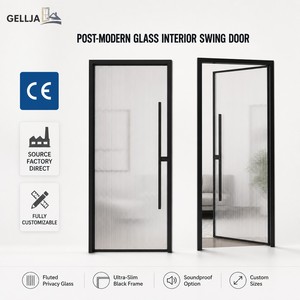
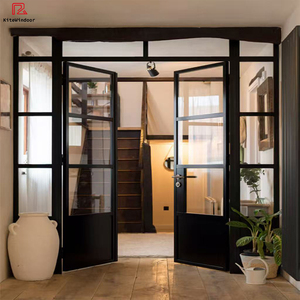
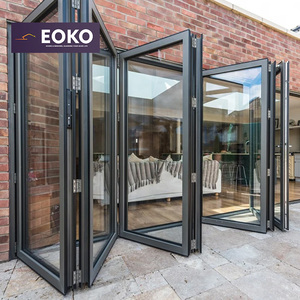
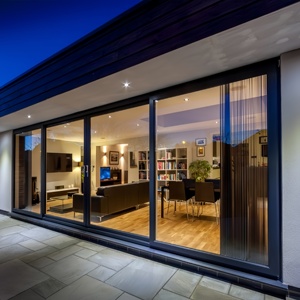
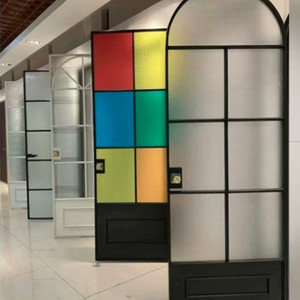
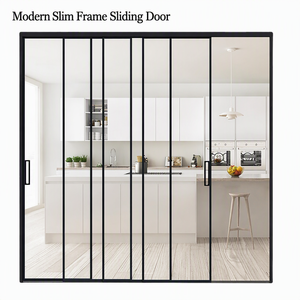
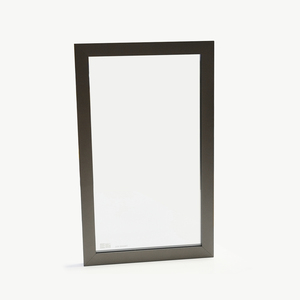
A technical evaluation of structural extrusions, CE regulatory compliance, thermal breaks, and spatial ergonomics in luxury residential and commercial architecture.
Modern kitchen environments place dual stressors on architectural door frameworks: high localized humidity/oil-fume concentration and continuous cyclic mechanical operations. Premium manufacturers utilize 6063-T5 or 6063-T6 architectural grade aluminum extrusions, offering tensile strength exceeding 185 MPa and yield strength over 160 MPa.
Unlike standard commercial extrusions, narrow-frame glass doors require ultra-precise wall thickness tolerances (typically 1.4mm to 2.0mm for interior partitions, and up to 3.0mm for heavy-duty structural patio-kitchen transitions). The primary structural frame must maintain zero deflection under high glass payload weights, especially when supporting 8mm to 12mm single-pane safety glass or double-glazed insulated units.
For international real estate developers, contractors, and importers, sourcing CE certified aluminium glass doors is non-negotiable for regulatory authorization across the European Economic Area (EEA) and compliant global territories. CE marking under standard EN 14351-1:2006+A2:2016 mandates rigorous third-party laboratory verification across critical performance metrics:
The longevity of a kitchen door frame depends heavily on its surface passivation treatment. Kitchen environments involve acidic airborne vapors, cooking oil aerosolization, and frequent chemical cleaning. Standard powder coatings are susceptible to micro-cracking and degreaser-induced discoloration.
Advanced manufacturing facilities deploy Qualicoat Class 2 Fluorocarbon (PVDF) electrostatic spray systems or Hard Anodizing (MIL-A-8625 Type III). Anodized layers reaching 15–25 microns thickness form an integral aluminum oxide shell that exhibits extraordinary scratch resistance, micro-hardness (HV ≥ 300), and corrosion resistance evaluated up to 3,000 hours under Neutral Salt Spray (NSS) testing protocols according to ISO 9227 standards.
Comparative engineering benchmark across primary kitchen aluminium glass door structural typologies.
| System Typology | Frame Profile Width | Glass Configuration | Acoustic Isolation (Rw) | Hardware Cycle Rating | CE EN Standard |
|---|---|---|---|---|---|
| Ultra-Slim Pocket Sliding | 16mm - 20mm Face Sightline | 8mm / 10mm Tempered Monolithic | 28 dB - 32 dB | 150,000 Cycles | EN 14351-1 / EN 12150 |
| Thermal Break Lift & Slide | 45mm - 65mm Structural Profile | 5mm+12A+5mm Low-E Double Glazed | 36 dB - 42 dB | 100,000 Cycles | EN 14351-1 / Class 4 Air Tight |
| Minimalist Bi-Fold Accordion | 28mm Ultra-Narrow Stile | 6mm Tempered + Fluted Laminate | 30 dB - 34 dB | 120,000 Cycles | EN 14351-1 / EN 12600 |
| Manual Flush Swing / Pivot | 30mm Narrow Profile | 5mm+1.14PVB+5mm Laminated Glass | 35 dB - 38 dB | 200,000 Cycles | EN 14351-1 / CE Certified |
Key market shifts driving global supply chain strategies for real estate development and architectural procurement.
Architects are aggressively moving away from bulky 50mm+ frame profiles in favor of ultra-narrow 16mm to 20mm visible sightlines. This trend requires door factories to utilize ultra-high-density 6063-T6 aluminum alloys and concealed structural corner-cleat locking hardware to ensure high frame rigidity without compromising expansive glass visibility.
Next-generation kitchen doors are integrating polymer-dispersed liquid crystal (PDLC) switchable smart glass. At the touch of a button or via smart home automation, the kitchen partition transitions from crystal-clear transparency (for open-plan social entertaining) to instant opaque privacy (concealing meal preparation clutter and containing intense cooking fumes).
Modern commercial and luxury residential projects demand seamless floor transitions between kitchen, dining, and patio areas. The procurement trend strongly favors magnetic drop-seals and recessed stainless steel water-drainage tracks that sit 100% flush with hardwood or porcelain tile floor finishes, eliminating tripping hazards and complying with universal accessibility standards.
How leading OEM/ODM factories in Foshan are redefining manufacturing precision and environmental sustainability.
Kitchen appliances (high-CFM range hoods, blenders, dishwashers) generate sound levels between 65 dB and 80 dB. To maintain acoustic tranquility in adjacent living spaces, advanced door engineering incorporates PA66GF25 (25% glass fiber reinforced polyamide) thermal break strips co-extruded inside the aluminum profile.
When combined with dual-sealed EPDM synthetic rubber gaskets and asymmetric laminated acoustic glass (e.g., 5mm glass + 0.76mm acoustic PVB + 4mm glass), system sound transmission loss (STC rating) jumps dramatically from 22 dB up to 38 dB.
Industrial scale manufacturing has transitioned from manual miter cutting to 5-axis automated CNC machining centers. Hinge cutouts, lock body mortises, and corner connection dowels are processed with zero-tolerance precision (±0.05mm).
Sub-surface multi-point gear-driven locking mechanisms (sourced from tier-1 German or specialized domestic hardware manufacturers) distribute clamping force evenly along the entire vertical height of the door, preventing profile warping over extended thermal cycles.
Based in Foshan—China's world-renowned aluminum and building materials industrial hub—Doorreme Aluminum Industry Co., Ltd. has led the engineering and fabrication of custom aluminum windows, doors, and architectural curtain walls since 2004.
Spanning a massive 123,000 m² state-of-the-art production base equipped with imported German and Italian automated extrusion and CNC processing machinery, we empower real estate developers, general contractors, architects, and international distributors with end-to-end customization, certified quality control, and factory-direct pricing.
Direct technical answers to common questions asked by global project managers, importers, and architects.
CE certification under EN 14351-1 requires formal initial type testing (ITT) and Factory Production Control (FPC) audits conducted by accredited notified bodies. CE certified doors guarantee verified structural load capabilities, strict non-toxic material emission ratings, certified safety glass fragmentation compliance (EN 12150), and audited air/water tightness ratings. Non-certified alternatives often utilize un-tempered glass, scrap-recycled low-grade aluminum alloys (leading to profile sagging), and hardware that fails after minimal operational cycles.
Yes. 100% of our production is built-to-order based on verified site dimensions or architectural floor plans. Our engineering office converts your preliminary sketches, elevation plans, or site photos into detailed structural shop drawings (including profile cross-sections, glass build-ups, anchor details, and hardware layouts). Mass production commences strictly after final drawing sign-off and approval by your technical team.
We supply a comprehensive suite of safety glass options tailored to design and privacy goals:
Our extrusions undergo rigorous multi-stage chemical pretreatment (chromating/zirconium passivating) prior to coating application. We offer Qualicoat-certified PVDF (Fluorocarbon) coatings and Anodized surface finishes (15–25 microns thick). These treatments resist grease adhesion, acidic cleaners, UV degradation, and micro-cracking, passing 3,000-hour continuous salt spray tests without peeling or oxidation.
Depending on project specifications and budget targets, we configure premium hardware systems including German Roto, Hopo, Siegenia, or top-tier specialized domestic brands. All heavy-duty roller carriages, concealed pivot hinges, soft-close hydraulic dampers, and multi-point mortise locks undergo cycle longevity testing up to 100,000 to 200,000 continuous opening/closing operations prior to batch deployment.
Over two decades of shipping experience to 140+ countries has perfected our export packing protocol. Every door unit is protected via a 5-layer system: (1) Surface protective film on all aluminum faces, (2) Corner protective guards, (3) Shock-absorbing EPE foam wrapping, (4) Heavy-duty corrugated cardboard casing, and (5) Custom-built fumigated solid wooden crates or steel-framed export pallets loaded securely into FCL/LCL shipping containers with desiccants.
Whether you need custom architectural engineering drawings, bulk wholesaler pricing, or technical sample catalogs, our engineering director is ready to assist your project.
Get Catalog English