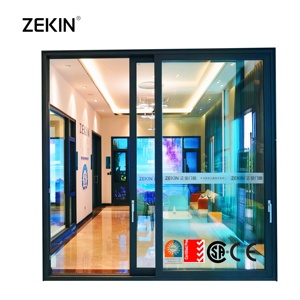
Precision-engineered aluminum solutions certified for structural integrity, energy thermal barriers, and European standard compliance.
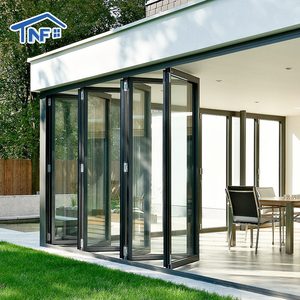
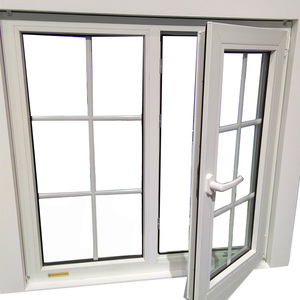
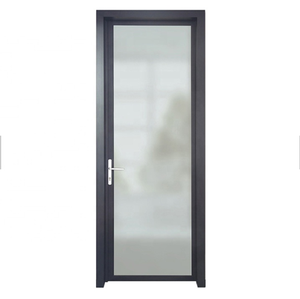
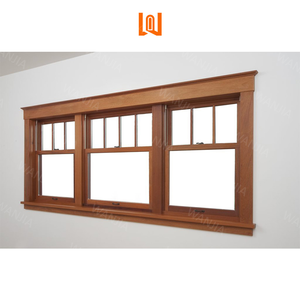
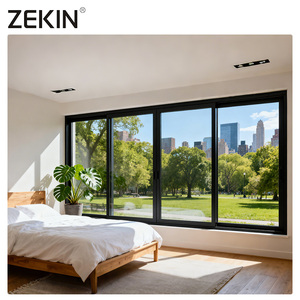
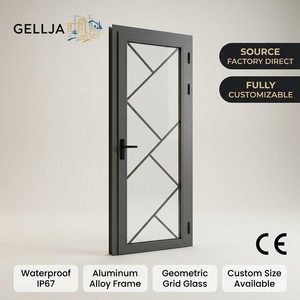
In high-end architectural fenestration, CE-certified aluminium French windows represent the synthesis of traditional aesthetic symmetry and modern thermal physics. As commercial developers, structural engineers, and importers source exterior openings for modern residential and commercial builds, evaluating manufacturing practices beyond simple dimensional fitting becomes critical.
Aluminium French window profiles are primarily constructed from high-tensile 6063-T5 or 6063-T6 architectural aluminium alloy. The structural integrity of French window sashes—which typically feature dual inward or outward opening leaves without a central fixed vertical mullion—hinges on the mechanical rigidity of the floating mullion (astragal profile).
During maximum wind load events (tested under EN 12210 class specifications), negative air pressure forces work to pull the sashes apart at the meeting stile. Premier Foshan manufacturing facilities resolve this through internal structural corner cleats (crimped or pin-locked) combined with 2.0mm to 3.0mm wall thickness in primary load-bearing chambers.
| Parameter Standard | CE Specification Baseline (EN 14351-1) | Doorreme Premium Engineering Standard |
|---|---|---|
| Profile Alloy & Temper | Standard 6063-T5 Aluminium Extrusions | High-Purity 6063-T6 / Wall Thickness 1.6mm - 2.5mm |
| Thermal Barrier Insulation | Standard Polyamide Strip (PA66) | PA66GF25 (25% Glass Fiber Reinforced) Technoform Strips |
| Air Permeability (EN 1026) | Class 3 Rating | Class 4 High-Airtight Sealed System |
| Water Tightness (EN 1027) | Class E750 (750 Pa Pressure) | Class E1050 (1050 Pa Extreme Storm Protection) |
| Wind Load Resistance (EN 12210) | Class C3 Deflection Rating | Class C5 (Up to 3000 Pa Structural Load) |
| Glazing Configuration | Double Glazed Tempered Glass (4-12A-4) | Triple Low-E Insulated Glazing with Argon Gas (5-16Ar-5-16Ar-5) |
Uninsulated aluminium exhibits high thermal conductivity ($k \approx 160-200 \text{ W/m}\cdot\text{K}$). To meet modern low-energy building guidelines across Europe and North America, certified factories integrate dual-chamber thermal break barriers. By isolating the exterior extrusion frame from the interior extrusion frame via precision-extruded Polyamide PA66GF25 structural strips, the thermal bridge is broken.
When combined with warm-edge composite glass spacers and multi-cavity EPDM (Ethylene Propylene Diene Monomer) rubber gaskets, thermal window unit performance ($U_w$) can be driven down to values below 1.1 W/m²K, meeting Passive House inspired design targets without compromising structural frame slimness.
Traditional French windows often suffered from security vulnerabilities along the central overlapping seam. Modern CE-certified manufacturing solves this by incorporating multi-point gear-driven perimeter locking hardware (such as German-engineered Siegenia or Roto Frank mechanisms). When the primary handle is engaged, hardened steel mushroom head cams drive into heavy-duty keeper plates top, bottom, and along the central astragal, offering high resistance against forced entry (RC2 / PAS 24 compliance).
Standard fluorocarbon PVDF powder coating (AkzoNobel or PPG) with 40-80 micron depth ensures colorfast performance against marine salt-spray and high UV exposure.
Asymmetrical double-glazed laminated glass configurations (e.g., 6mm Tempered + 1.14PVB Sound-Proof Film + 6mm) achieve STC acoustic sound reduction up to 42 dB.
Concealed downward drainage channels featuring internal pressure equalization prevent water back-siphonage even under 100 km/h wind-driven rainstorm conditions.
How international architectural specifications, carbon regulations, and smart technology are reshaping the commercial aluminium fenestration supply chain.
Driven by the European Union’s Carbon Border Adjustment Mechanism (CBAM), international buyers are shifting procurement toward suppliers using low-carbon primary aluminium smelted via hydro-power or incorporating >60% post-consumer recycled aluminium billets. This significantly reduces the embodied carbon footprint ($kg CO_2e / kg$) per window frame unit.
Architectural demand has rapidly pivoted toward narrow-frame (micro-sightline) French door and window designs. By embedding the frame within wall reveal plaster lines and utilizing structural glass-to-aluminium bonding silicone, factories maximize solar heat gain co-efficient (SHGC) transparency while maintaining high wind load capacities.
Future-proof French window assemblies increasingly integrate automated concealed chain actuators connected to building management systems (BMS). Embedded magnetic sensors monitor window seal integrity, while smart electrochromic (PDLC) privacy glass switches from clear to opaque at the push of a button.
Leading exporters are eliminating manual drawing approval bottlenecks by delivering native Autodesk Revit / BIM families. Field measurements are converted straight into CNC profile machining files (CAM software), enabling automated 5-axis milling of lock cutouts and hinge slots with micron-level precision.
Based in Foshan, Guangdong—the world’s premier cluster for aluminium extrusion and architectural hardware—Doorreme Aluminum Industry Co., Ltd. (operating with a massive 123,000 m² physical production base since 2004) serves as a benchmark tier-1 exporter for developers, general contractors, and wholesalers across 140+ countries.
Equipped with imported German cutting centers, automated double-head CNC miter saws, and robotic corner crimping cells ensuring 0.05mm structural tolerance on all French window frames.
In-house structural engineering team provides wind pressure load calculations, U-value simulation reports, shop drawings, and full elevation BIM models for pre-production signoff.
Heavy-duty export packaging utilizing plastic film wrap, protective corner blocks, fully enclosed wooden crates, and steel-strapped A-frames to guarantee zero sea-freight transport damage.
Critical information for procurement directors, architects, and importers evaluating CE-certified window shipments from China.
We supply a complete CE Documentation Package including the Declaration of Performance (DoP) under EN 14351-1, Initial Type Testing (ITT) test reports from accredited third-party labs (verifying air-water-wind performance), glass CE certificates (EN 12150 / EN 1279), and factory production control (FPC) audit documentation.
Yes. For coastal projects subjected to severe weather or typhoons, we configure systems using 6063-T6 heavy-duty profiles (2.0mm+ wall thickness), structural silicone glazed IGUs with SGP (SentryGlas) laminated safety interlayers, and heavy-duty stainless steel 304 friction hinges capable of carrying sash weights up to 180 kg per leaf.
Interior frame condensation occurs when the interior surface temperature drops below the dew point. We resolve this by integrating multi-chamber polyamide thermal break strips (PA66GF25), continuous EPDM central gaskets, and triple-pane Low-E glass units filled with 90%+ Argon gas. This keeps the interior profile warm and eliminates moisture sweating.
For custom extruded color profiles and standard double-glazed configurations, production time is typically 25 to 35 calendar days following drawing sign-off and deposit receipt. Special custom powder coat colors (RAL finishes) or specialized laminated acoustic glass may require 35 to 40 days.
Yes. Our factory operates separate flexible assembly lines for custom luxury residential orders (villas/apartments) and dedicated high-volume automated lines for commercial hotel and multi-family residential developments.
We offer a range of hardware tiers depending on project budget and specification: Tier 1 German premium brands (Roto Frank, Siegenia-Aubi, Hoppe), premium Italian systems (Giesse), and top-tier Chinese certified brands (CMECH, Kin Long) backed by 10-year functional warranties.
Send your window schedules, architectural CAD drawings, or project elevation specifications to our senior engineering team for an accurate quote and thermal performance analysis within 24 hours.
Contact Us English