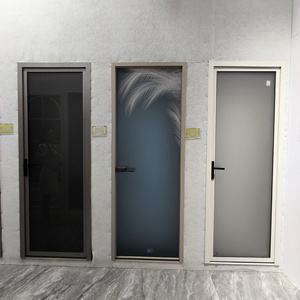
As modern architectural frameworks transition toward sustainable, minimalist, and acoustic-decoupled interior partitions, CE certified aluminium internal doors have emerged as the structural benchmark for commercial, hospitality, and luxury multi-family residential developments. Designed to comply with stringent European Union Directives—including EN 14351-1 (Windows & Doors Product Standard), EN 12150 (Thermallly Toughened Safety Glass), and EN ISO 10140 (Acoustical Performance)—our engineered internal aluminium door systems harmonize slimline visual aesthetics with structural rigidity, flame retardancy, and lifecycle durability.
Factory-direct OEM/ODM certified aluminum door systems manufactured under ISO 9001 and CE execution guidelines.
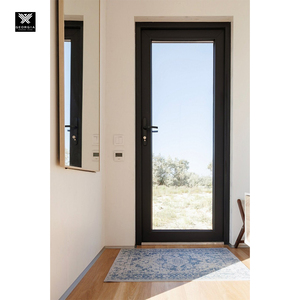
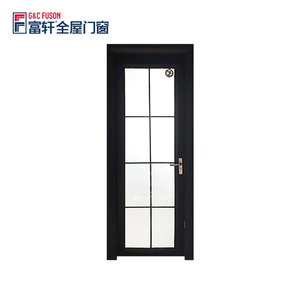
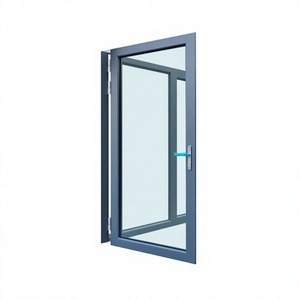
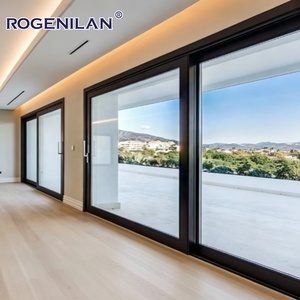
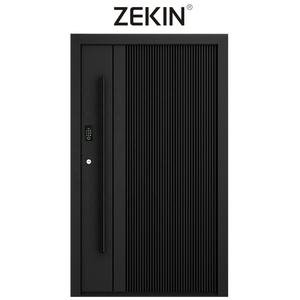
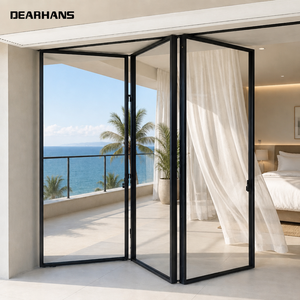
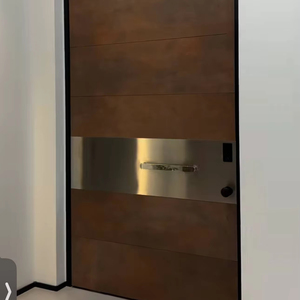
Founded in 2004, Doorreme Aluminum Industry Co., Ltd. operates as a tier-1 manufacturer and engineering solution provider headquartered in Shishan Town, Nanhai District, Foshan—the world’s epicenter for precision aluminum extrusion and architectural hardware manufacturing. Occupying an expansive 123,000 m² state-of-the-art manufacturing complex, Doorreme integrates custom architectural design, structural calculation, precision aluminum extrusion processing, automated glass glazing, and international supply chain orchestration.
With a workforce exceeding 800 skilled technicians and senior architectural engineers, our facility houses imported German and Italian CNC machining centers, automated powder coating and PVDF surface-treatment lines, and structural silicone glazing lines. Doorreme specializes in customized high-performance aluminium windows, doors, unitized curtain wall systems, glass railings, and acoustic interior partitions. Our engineering methodologies strictly adhere to international building standards, supplying mega-scale commercial towers, luxury resorts, and high-density residential portfolios across North America, Europe, Australia, the Middle East, and Southeast Asia.
To gain market authorization within the European Economic Area (EEA) and meet compliance mandates for global institutional projects, internal aluminium doors must comply with the European Construction Products Regulation (CPR 305/2011). CE marking represents a manufacturer's declaration that the product satisfies all applicable performance characteristics established in harmonized standards.
Defines mechanical durability, operating forces, impact resistance, and dangerous substance release standards for internal pedestrian door sets. Ensures structural stability across multi-thousand cycle tests.
Requires thermally toughened soda lime silicate safety glass. Upon impact failure, the glass disintegrates into small, blunt fragments, minimizing laceration hazards in residential and high-traffic public interiors.
Certified internal acoustic door assemblies integrate perimeter EPDM drop-down seals and laminated acoustic glass cores, achieving sound reduction indices ranging from 32 dB to 44 dB.
| Performance Parameter | Architectural Test Standard | Doorreme Certified Value Range | B2B Project Application Impact |
|---|---|---|---|
| Aluminium Alloy Profile | EN 573-3 / EN 755-2 | 6063-T5 / 6063-T6 High-Precision Extrusions | High strength-to-weight ratio, structural resistance to warping |
| Anodizing Coating Depth | EN ISO 2360 | 15 to 25 Microns (AA15 / AA25 Class) | Corrosion immunity in coastal/humid bathroom environments |
| Powder Coating Durability | QUALICOAT Class 1 & Class 2 | 60 to 80 Microns (AkzoNobel / PPG Resins) | UV stability, anti-scratch finish for high-frequency traffic |
| Acoustic Isolation (Rw) | EN ISO 140-3 / ISO 717-1 | 35 dB - 42 dB (With perimeter drop-seals) | Executive office privacy, luxury hotel room acoustic comfort |
| Operating Cycle Resistance | EN 1191 / EN 12400 | Class 8 (Repeated opening 500,000 cycles) | Lifecycle maintenance reduction in commercial portfolios |
The global architectural fenestration sector is undergoing a rapid transition driven by modern interior design aesthetics, urban density demands, and environmental sustainability regulations. Manufacturers are moving beyond simple utilitarian designs, investing heavily in material engineering and minimal profile visual impact.
Architects are overwhelmingly favoring ultra-slim frame profiles with visible sightlines as narrow as 16mm to 28mm. These systems maximize interior daylight transmission while creating a seamless spatial flow between residential living zones and commercial open-plan offices.
Future-forward door designs incorporate 3D-adjustable 180° concealed hinges and silent magnetic latch mechanisms. By eliminating visible lock plates and exposed hinges, manufacturers achieve uninterrupted geometric alignment along door perimeters.
Modern interior doors are increasingly specifying multi-chambered polyamide (PA66GF25) thermal break strips and composite acoustic inserts. This structural decoupling prevents interior temperature transfer between climate-controlled rooms and reduces HVAC load.
In response to European Green Deal guidelines and LEED v4 certification criteria, leading manufacturers utilize low-carbon aluminum extruded using renewable hydropower, alongside post-consumer scrap recycling streams (achieving >75% recycled aluminum content).
Global B2B procurement for commercial doors and building envelope products is shifting away from fragmented transactional purchases toward integrated manufacturing partnerships. Commercial developers, general contractors, and hotel procurement directors now prioritize manufacturers capable of providing end-to-end engineering support.
Technical guidance for architects, facade consultants, and sourcing directors evaluating CE certified aluminum interior doors.
Have project drawings, tender schedules, or custom architectural requirements? Contact our engineering team for immediate technical consultation and factory-direct quotation.
Contact Us English