Precision-engineered architectural solutions compliant with rigorous international structural and energy safety codes
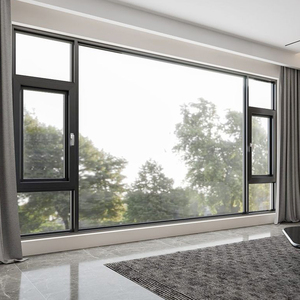
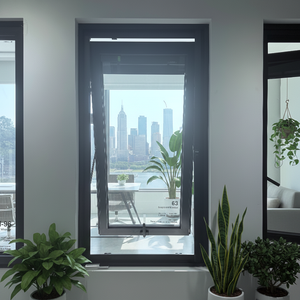
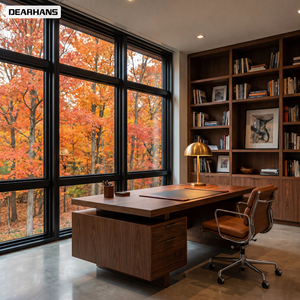
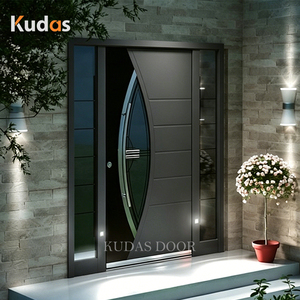
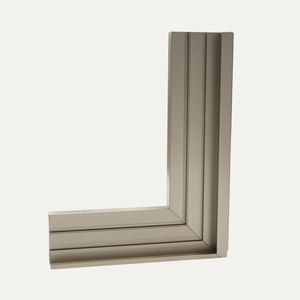
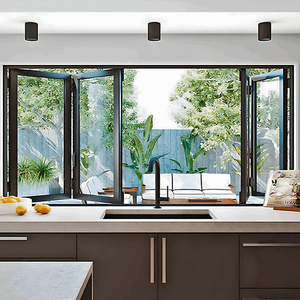
In modern architectural engineering, the structural envelope of a building serves as the first line of defense against catastrophic atmospheric conditions, seismic vibrations, and environmental degradation. The designation of CE Certified Aluminum Impact Windows represents more than a regional compliance standard; it is a global indicator of validated structural performance, rigorous thermal efficiency, and mechanical resilience under severe cyclic wind stress.
Under the European Union’s Construction Products Regulation (CPR No 305/2011) and the harmonized standard EN 14351-1 (covering windows and external pedestrian doorsets), manufacturers must subject fenestration systems to standardized initial type testing (ITT) and maintain continuous Factory Production Control (FPC). For high-velocity hurricane zones (HVHZ) and coastal tropical regions, CE certification intersects with extreme impact criteria such as ASTM E1886/E1996 and missile impact protocols. This technical synthesis ensures that aluminum frames, thermal breaks, structural adhesives, and laminated glazing units operate as an integrated dynamic assembly capable of absorbing kinetic energy without envelope breach.
Achieving verified CE marking for impact-rated aluminum window assemblies requires mandatory validation across four key physical vectors:
The foundation of high-performance impact fenestration lies in precise material selection and thermodynamic barrier design. Standard un-insulated aluminum extrusions conduct heat rapidly and lack the torsional stiffness required to withstand severe cyclical wind loads. Top-tier manufacturers solve these physical limitations by utilizing specialized 6063-T6 architectural aluminum alloys combined with reinforced polyamide thermal barriers.
Specifying high-tensile 6063-T6 aluminum profiles with nominal wall thicknesses ranging from 1.4mm to 3.0mm delivers superior yield strength, corrosion resistance, and structural retention under dynamic wind load deflection.
Incorporating 24mm to 34mm techno-polymer thermal breaks reinforced with 25% glass fiber eliminates thermal bridging, dramatically reducing the U-factor while maintaining tensile strength across temperature extremes.
Deploying heavy-duty SentryGlas® (SGP) or high-impact PVB interlayers sandwiched between tempered glass sheets guarantees that even upon surface fracture, the glazing matrix remains anchored within the window frame sash.
| Performance Parameter | Standard Non-Impact Window | CE Certified Thermal Break Impact Window | Engineering Benefit |
|---|---|---|---|
| Profile Alloy & Temper | 6063-T5 (1.2mm wall) | 6063-T6 Architectural Profile (1.6mm - 2.2mm) | +45% Higher Yield Strength & Load Deflection |
| Glazing Architecture | 5mm Single / 5+9A+5 Double Tempered | 6mm Low-E + 12A + 5mm Glass/1.52SGP/5mm Impact Laminated | Zero Penetration from High-Velocity Debris |
| Design Wind Load (kPa) | 1.0 - 1.5 kPa | 3.5 - 5.0+ kPa (Custom Engineered) | Resists Category 5 Wind Speeds (>250 km/h) |
| Thermal U-Factor (W/m²K) | 3.5 - 4.8 W/m²K | 1.2 - 1.8 W/m²K | Dramatically Reduces HVAC Energy Demand |
| Acoustic Rating (STC / OITC) | 28 - 32 dB | 42 - 48+ dB | Superior Soundproofing for Urban & Airport Zones |
| Hardware Mechanism | Single-Point Friction Stay | German Roto / Siegenia Multi-Point Locking Drives | Enhanced Forced-Entry Resistance & Uniform Sealing |
As international building standards shift toward net-zero operational carbon emissions and climate adaptation resilience, the procurement criteria for global buyers, real estate conglomerates, and general contractors are undergoing a fundamental transformation. Sourcing CE certified aluminum impact windows is no longer strictly an aesthetic or baseline code decision; it is a financial risk mitigation strategy.
Global developers demand Environmental Product Declarations (EPDs) verifying low embodied carbon in recycled aluminum extrusions, alongside LEED v4.1 energy performance credits.
Coastal and typhoon-prone zones are adopting strict missile impact mandates. Procurement specs now prioritize high cyclic pressure thresholds over basic static pressure ratings.
Procurement teams bypass traditional middle-tier trading brokers, seeking factory-direct OEM partners who provide Revit/BIM structural files and customized elevation engineering.
Driven by architectural requests for expanded visual daylight, ultra-narrow frame profiles, and seamless indoor-outdoor transitions, window manufacturers are expanding structural capabilities through automated precision robotics and advanced chemical surface treatments.
Leading manufacturers are revolutionizing factory floors through four core technological advancements:
As a global leader in architectural aluminum fenestration, Doorreme Aluminum Industry Co., Ltd. (operating from a premier manufacturing base in Foshan, China since 2004) provides full end-to-end engineering, fabrication, and quality assurance for large-scale international projects.
Operating state-of-the-art German and Italian CNC machining lines, automated glass cutting, and insulated glass assembly operations.
Products certified to CE (EN 14351-1), AS2047 (Australia), NFRC / CSA (North America), maintaining rigorous ISO9001 QA protocols.
Dedicated facade engineers providing structural wind load calculations, finite element analysis (FEA), and custom shop drawings.
Proven track record supplying complex high-rise, hospitality, infrastructure, and luxury residential projects across 6 continents.
Addressing the core technical, compliance, and logistical inquiries raised by international developers and procurement directors during project evaluation.
CE certification under EN 14351-1 mandates independent laboratory testing for wind load resistance (EN 12210) and impact safety (EN 12600). When combined with ASTM E1886/E1996 missile impact protocols, it verifies that both the glass and aluminum profile assembly survive severe cyclic pressure without frame separation.
PVB (Polyvinyl Butyral) offers excellent standard acoustic and safety adhesion. However, SGP (SentryGlas® Ionoplast) is up to 5 times stiffer and 100 times tougher than standard PVB, maintaining structural panel stiffness even if both glass panes shatter—making it mandatory for high-rise impact glazing and balustrades.
Yes. Every unit is manufactured to order. Our technical department reviews your elevation plans, structural wind load specifications, and site photos, creating custom extrusion profiles, structural silicone calculations, and signed shop drawings prior to production authorization.
For coastal and marine environments, we recommend PVDF (Fluorocarbon) 3-coat electrostatic coatings or high-micron Anodized finishes. These coatings resist salt spray corrosion (tested to ASTM B117 for 5000 hours), preventing chalking, pitting, and UV degradation.
We specify premium German hardware systems such as Roto, Siegenia, and Hoppe for maximum longevity and multi-point security. Top-tier, heavy-duty architectural hardware options are also integrated based on project budget and performance criteria.
Units are packed using a multi-layer protective protocol: inner protective film, foam corner protectors, vacuum moisture barrier wrap, and fully enclosed IPPC-certified fumigated plywood crates with integrated lifting steel straps for safe container unloading.
Upload your architectural plans or schedule a technical consultation with our senior facade engineering team today. Get factory-direct pricing, structural feasibility reports, and certified compliance documentation.
Get a Quote English