Factory Direct Portfolio
High-Performance Aluminium Jali & Window Solutions
Explore our export-grade fenestration lineup engineered with precision aluminium extrusions, security mesh (machhar jali), thermal break technology, and hurricane-rated hardware.
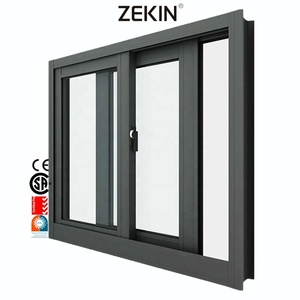
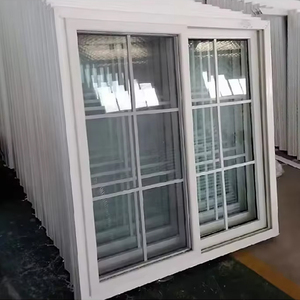
Customized Aluminum Sliding Windows Energy Efficient NFRC AS2047 Tempered Glass Hurricane Certification Aluminum Sliding Window
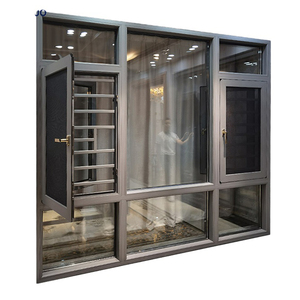
Design Windows EUR Style Aluminium New China Swing Aluminum Germany Glass Window European Wood Crate Aluminum Windows and Doors
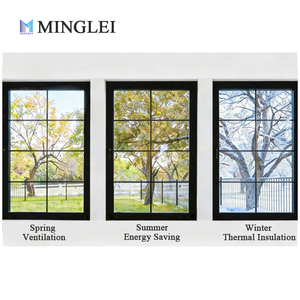
High Heat Insulation Energy Saving Black Aluminum Window Thin Profile Aluminium Windows and Doors Casement Windows for USA
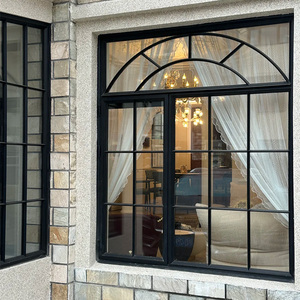
High Quality Low Price Customizable Window Frames Designs French Windows Aluminum Bar For Window And Door
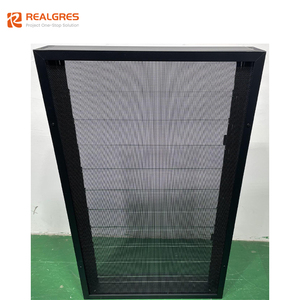
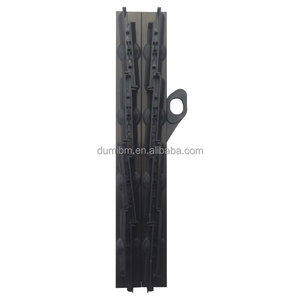
Realgres H-120cm X 60cm-W Aluminum Jalouplus Window Vertical 12 Blades
Jalouplus Modern Vertical Opening Aluminium Shutter Frame Window Louver Durable Aluminum Alloy for Hotel Use Philippines Market
OUNA Modern Double Glazed Aluminum Slided Windows Screen Glass Soundproof Hurricane Proof Sliding Window For Villas
Factory Aluminium Window Screen Wire Mesh for machhar Jali/aluminium Woven mesh net for Mosquito or rat Barriers
Technical Executive Summary: The Evolution of Aluminium Jali Windows in Global Architecture
The global construction landscape is witnessing a paradigm shift in structural fenestration. Modern architectural specifications increasingly demand window assemblies that harmonize passive solar control, insect vector management, thermal efficiency, and physical security. Central to this evolution is the Aluminium Jali Window—a sophisticated integration of high-tensile aluminium extrusions with perforated metal screens, woven 304/316 stainless steel security mesh (often designated as machhar jali), or motorized louvered jali mechanisms.
As premier China-based original equipment manufacturers (OEM) and structural fabricators operating out of Foshan, Guangdong—the world's capital of aluminium extrusion technology—leading suppliers are advancing beyond traditional ornamental lattice grills. Today’s industrial-grade aluminium jali window profiles combine multi-cavity thermal break polyamide (PA66GF25) strips, multi-point euro-groove locking systems, high-efficiency double insulating glass units (IGUs), and heavy-duty mesh barriers capable of resisting forced entry and severe wind-load shear stresses.
Information Gain Insight: Unlike standard window systems that treat mosquito mesh as a secondary add-on, structural aluminium jali windows engineer the screen tracking directly into the extruded sub-frame. This structural unification enhances overall torsion resistance while preserving clean sightlines and maximizing natural ventilation airflow rates.
Whether servicing luxury residential villas in North America, high-density hotel towers in Southeast Asia, or coastal commercial complexes in hurricane zones, sourcing direct from verified Chinese manufacturers provides real estate developers, contractors, and architectural importers with unparalleled custom capability and compliance with global standards including AS2047, NFRC, CE, and ISO9001.
Material Science & Structural Engineering Matrix
To evaluate the structural integrity of aluminium jali window assemblies, procurement professionals must examine key metallurgical, mechanical, and surface engineering parameters. Chinese top-tier manufacturing processes adhere strictly to international architectural aluminum standards:
1. Primary Alloy Selection & Extrusion Tempering
Quality jali window frames utilize primary 6063-T5 or 6063-T6 architectural grade aluminium alloys. 6063-T5 provides an optimal tensile strength exceeding 185 MPa and yield strength above 145 MPa, offering ideal ductility for intricate structural profiling while maintaining rigidity under severe wind loads. Profile wall thicknesses range from 1.2 mm for light residential applications up to 2.0 mm–3.0 mm for heavy-duty commercial sliding doors and high-rise casement units.
2. Jali Security Mesh & Insect Barrier Subsystems
The functional performance of a jali window depends heavily on the integrated mesh technology. Modern manufacturing incorporates three main screen classifications:
- High-Tensile SS304/SS316 Security Mesh (Machhar Jali): Woven with wire diameters ranging from 0.7mm to 0.9mm at 11 or 14 mesh counts. Treated with electrostatic black powder coating, this mesh functions as an impenetrable knife-shear resistant security barrier while providing clear exterior visibility.
- Aluminum Woven & Expanded Mesh: Lightweight, rustproof, and rigid. Ideal for high-salinity coastal environments where traditional carbon steel or lower-grade alloys suffer from galvanic corrosion.
- Invisible High-Clarity Micro-Mesh: Engineered for urban high-rises where fine insect protection and maximum light transmission take priority over heavy impact resistance.
3. Surface Finishing & Environmental Protection
Extrusions undergo advanced surface treatments designed to withstand extreme UV exposure, salt spray, and humidity:
| Coating Technology |
Film Thickness |
Salt Spray Resistance |
Target Climate / Application Zone |
| PVDF (Fluorocarbon Coating) |
≥ 40 microns (2-3 Coats) |
> 3,000 Hours |
Coastal, Marine, High-UV Tropical Regions |
| Electrostatic Powder Coating |
60 - 80 microns |
> 1,000 Hours |
Standard Residential & Inland Commercial |
| Architectural Anodizing |
15 - 25 microns |
> 2,000 Hours |
Modern Minimalist Urban Facades |
| 3D Wood Grain Transfer |
60 - 70 microns |
> 1,200 Hours |
Heritage, Luxury Villa & Eco-Resort Aesthetics |
Future Procurement Trends in Aluminium Jali Window Manufacturing
As global real estate developments prioritize carbon footprint reduction, occupant well-being, and smart building integration, B2B procurement strategies for aluminium jali windows are undergoing structural changes. Industry buyers should align their sourcing protocols with the following major trends:
1. Low-Carbon Recycled Aluminium Sourcing
Global developers are mandating certified low-carbon aluminium billets produced via hydropower extrusions. Chinese manufacturers are rapidly adopting recycled aluminum profiles, reducing embodied carbon by up to 75% while maintaining identical structural properties.
2. Integrated Smart Motorization & Sensors
The modern jali window is no longer purely static. Next-generation systems integrate motorized louvers and retractable mesh screens tied to home automation hubs, automatically adjusting shade angle based on solar radiation and wind force.
3. Hurricane & High Velocity Impact Compliance
Driven by extreme weather in coastal regions (Caribbean, Florida, SE Asia), procurement specs demand jali screens that act as sacrificial energy-dissipation layers, protecting the primary double-glazed window against windborne debris impact.
4. Pre-Fabricated Modular Window Assembly
To offset rising site labor costs, developers are shifting toward factory-glazed, fully integrated window-and-jali units shipped in custom wooden crates ready for immediate structural anchor installation.
Architectural Design & Product Development Trends
The contemporary aesthetic demands seamless transitions between indoor living environments and natural landscapes. Aluminium jali windows are evolving to meet these high-end architectural styles:
Narrow-Frame Minimalist Interlocks
Traditional sliding windows featured wide vertical stiles that blocked panoramic views. Modern Chinese engineering has reduced vertical sightlines to as narrow as 18mm–25mm while re-engineering internal structural mullions to support heavy double-glazed units weighing up to 300kg per sash. Jali screens in these minimal systems slide within concealed outer tracks, preserving clean sightlines.
Dual-Function Louvered Jali Systems (Jalouplus Design)
As seen in modern hospitality and tropical residential designs across the Philippines, Thailand, and South Asia, louvered glass blades combined with perimeter aluminium mesh (Jalouplus vertical/horizontal systems) offer 100% full-opening natural airflow. The adjustable louver blades direct prevailing breezes while maintaining privacy and insect exclusion.
Concealed Drainage & High Water-Tightness Sub-Sills
Water infiltration remains a major failure point in inferior window systems. Top manufacturers utilize step-down hidden drainage channels equipped with non-return flap valves. Under simulated wind pressures of 600 Pa (equivalent to tropical storm force), these systems prevent backflow and drain water rapidly out of the exterior track.
Manufacturing Authority & Enterprise Advantages
When selecting a supplier for large-scale real estate or wholesale distribution, enterprise capacity, technical background, and quality management systems are crucial. Based in Shishan Town, Nanhai District, Foshan City—the epicenter of China's aluminum industry—our manufacturing infrastructure offers distinct commercial advantages:
123,000 m² Advanced Production Base
Operating a massive industrial plant equipped with Italian precision cutting centers, German CNC milling machines, and automated double-glazing production lines, yielding an annual capacity of over 500,000 square meters of fenestration products.
Strict International Certifications
Our engineered window systems are fully certified to international standards including North American NFRC energy ratings, Australian AS2047 / AS1288 structural codes, and European CE safety directives.
End-to-End Project Customization
From architectural elevation analysis and wind pressure engineering calculations to shop drawing creation and custom powder-coat color matching, our dedicated engineering team ensures 100% drawing approval prior to manufacturing.
Global Project Footprint (140+ Countries)
With 20+ years of export experience since 2004, our products have been installed in landmark commercial towers, resorts, subway infrastructure projects, and residential developments across the Americas, Middle East, Australia, and Africa.
Frequently Asked Questions (FAQ) for Global Buyers
Addressing common technical, logistical, and commercial queries encountered by international developers and distributors when sourcing aluminium jali windows from China.
What is an Aluminium Jali Window and how does it differ from standard screen windows?
An Aluminium Jali Window is an integrated fenestration assembly that combines structural extruded aluminium profiles with a dedicated metal lattice, louver, or high-tensile security mesh barrier (machhar jali). Unlike standard secondary flyscreens, a true structural jali window integrates the screen track directly into the frame extrusions, offering burglar resistance, hurricane protection, and improved aesthetics along with insect defense.
Can your factory produce windows tailored to custom architectural drawings and opening sizes?
Yes. Every unit is manufactured to custom order. Overseas clients provide rough opening dimensions, architectural elevations, or shop drawings. Our engineering department reviews structural requirements, recommends profile wall thickness, glass configurations, and hardware systems, and generates detailed 2D/3D production shop drawings for client sign-off prior to extrusion processing.
What mesh materials are recommended for high-corrosion coastal regions?
For coastal or high-salinity marine environments, we strongly recommend Marine-Grade Stainless Steel 316 mesh (0.8mm wire, 11 mesh) coated with specialized PVDF powder finish, or heavy-duty anodized woven aluminum alloy mesh. Standard SS304 mesh is suitable for inland urban or rural applications.
How do you ensure window energy efficiency and compliance with NFRC or AS2047 codes?
Energy performance is achieved by incorporating thermal break polyamide (PA66GF25) structural insulation strips between inner and outer profile aluminum extrusions. Combined with double or triple insulated glass units (e.g., 5mm Low-E + 12A/20A Argon + 5mm Tempered Glass) and warm-edge spacers, our windows achieve low U-factors (≤ 1.6 W/m²K) and meet stringent NFRC and AS2047 energy performance criteria.
What hardware and multi-point locking brands are available?
Depending on project budget and structural specifications, we equip our window assemblies with top-tier German hardware systems such as Roto, Siegenia, or Hoppe, as well as premium Chinese hardware brands (CMECH, Kin Long). All hardware features SS304 or corrosion-treated zinc-alloy components tested for over 50,000 operational cycles.
What protective packaging is used to prevent damage during ocean freight transit?
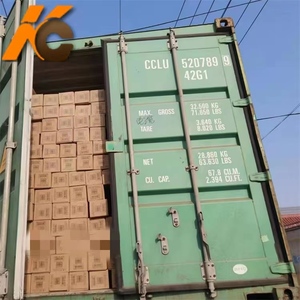
All finished window products undergo a multi-layer protective packaging sequence: PE protective film on aluminum surfaces, corner protective guards, bubble-wrap cushioning, and solid fumigation-free plywood crates. Heavy glass units are secured with steel strapping inside crates to guarantee zero transit breakage.
 English