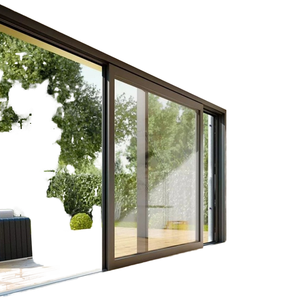
Factory-direct structural aluminum shop front doors, thermally broken store fronts, impact casement systems, and customized architectural fenestration exported to over 140 countries worldwide.
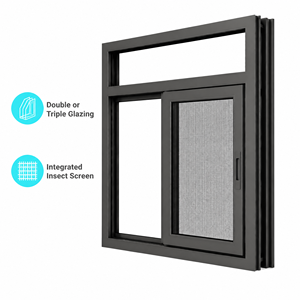
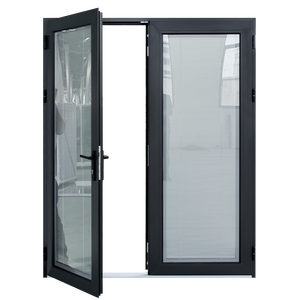
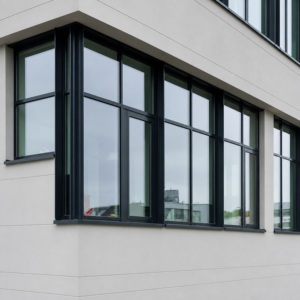
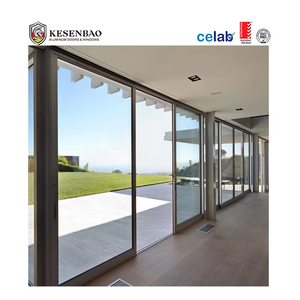
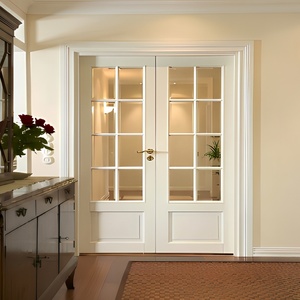
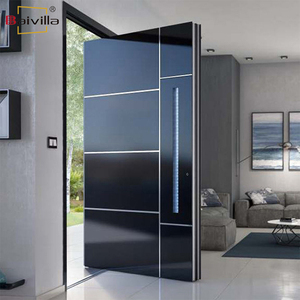
In modern commercial architecture, the entrance storefront serves as the vital boundary between retail interiors and exterior urban environments. Sourcing high-performance aluminum shop front doors from leading Chinese manufacturers offers global project developers, commercial contractors, and architectural fabricators an optimal balance of structural strength, acoustic damping, thermal control, and design customization.
Aluminum extruded profiles utilizing high-grade 6063-T5 and 6063-T6 alloy formulations provide structural integrity capable of withstanding extreme wind loads (up to 5.0 kPa), high-frequency commercial foot traffic, and aggressive atmospheric corrosion. Unlike legacy hollow steel frames or uninsulated uPVC systems, modern thermal break aluminum shopfront entrance doors incorporate glass-reinforced polyamide insulating bars (PA66-GF25), drastically minimizing U-factors to meet stringent global energy standard compliance, including North American NFRC, European CE EN14351-1, and Australian AS2047 frameworks.
Information Gain Insight: Structural performance of commercial storefront entrances depends heavily on wall profile thickness. Standard light commercial applications require a minimum 2.0mm profile wall thickness, whereas high-span heavy-duty pivot doors and automatic sliding entrance doors require up to 3.0mm to 4.0mm structural reinforcing profiles to prevent deflection under continuous cycling.
China's primary aluminum industrial hub in Foshan utilizes advanced multi-axis CNC machining, precision extrusion dies, and automated corner crimping technology. The structural skeleton of commercial shopfront doors relies on thermal break profiles engineered with structural silicone pockets, EPDM double-compression weather sealing gaskets, and stainless steel (SS304/SS316) corner cleats.
| Alloy & Temper Grade | Tensile Strength (MPa) | Yield Strength (MPa) | Recommended Commercial Application | Surface Treatment Options |
|---|---|---|---|---|
| 6063-T5 | ≥ 185 | ≥ 145 | Standard Storefront Windows, Low-Rise Retail Entrance Doors | Anodized (15-25μm), Electrophoresis, Powder Coating |
| 6063-T6 | ≥ 240 | ≥ 210 | Heavy-Duty Commercial Pivot Doors, Automatic Sliding Entrances | PVDF Fluorocarbon Spray (AkzoNobel / PPG), Anodized |
| 6061-T6 | ≥ 290 | ≥ 240 | High-Load Structural Curtain Wall Muji-Posts, Hurricane Impact Entrances | Triple-Coat PVDF Marine Grade Finish |
As international commercial construction shifts toward decarbonization, occupant comfort, and digitized access, procurement teams must align their supply chain criteria with emerging technical trends in shopfront door engineering.
Procurement strategies increasingly demand recycled aluminum extrusions and hydro-powered smelting profiles to reduce embodied carbon footprint in LEED and BREEAM certified commercial developments.
Commercial front doors now integrate concealed motorized concealed floor springs, biometric access control, multi-point electronic solenoid locks, and smart building management system (BMS) connectivity.
Architectural preference favors structural slim-frame storefront entrances with hidden sashes and oversized structural insulated glass units (IGUs) providing maximum natural daylight and visibility.
With coastal urbanization accelerating globally, commercial shop front entrances must comply with hurricane impact ratings (Tasmanian/Australian AS1170, Florida Building Code HVHZ, ASTM E1886/E1996). High-grade exports from China incorporate SentryGlas® (SGP) ionoplast interlayers sandwiched between heat-strengthened glass panels, paired with heavy-duty structural silicone sealant (e.g., Dow Corning 995) to ensure structural adhesion during catastrophic storm events.
Doorreme Aluminum Industry Co., Ltd., based in Foshan, Guangdong, represents the gold standard of Chinese architectural fenestration engineering. Operating out of a state-of-the-art 123,000 m² production facility equipped with automated German Elumatec CNC profile machining centers, Italian cutting systems, and high-speed powder coating lines, the enterprise supports custom commercial projects across North America, South America, Australia, Europe, the Middle East, and Southeast Asia.
In-house facade engineers generate precise CAD elevation shop drawings, structural wind-pressure calculations, thermal modeling simulations, and custom profile die extrusions to meet exact architectural specs.
Every shop front door system undergoes rigorous factory acceptance testing (FAT) covering air permeability, water tightness under static pressure, structural wind load deflection, and hardware cycle testing (up to 500,000 opening cycles).
Custom steel-framed wooden crate packaging with moisture-proof vacuum wrapping ensures damage-free global sea freight, complete with localized installation guides and engineering video assistance.
Send your project elevation drawings, opening schedules, or spec sheets to our dedicated structural engineering team in Foshan for an instant technical quotation and DFM (Design for Manufacturing) review.
 English