Factory-direct custom architectural entrance systems engineered to project specifications with precision CNC machining, thermal break insulation, and advanced surface treatments.
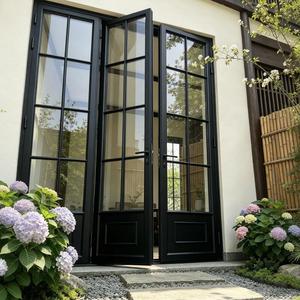
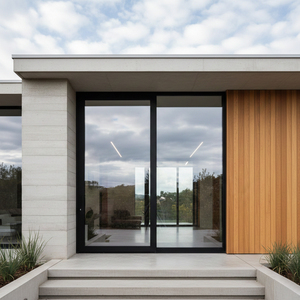
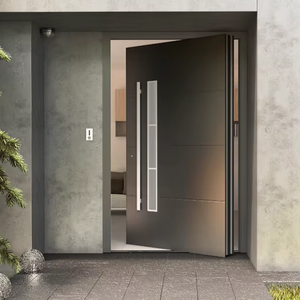
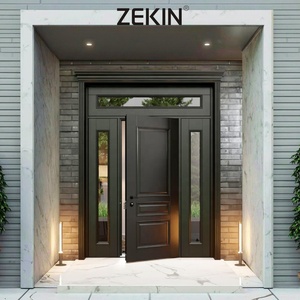
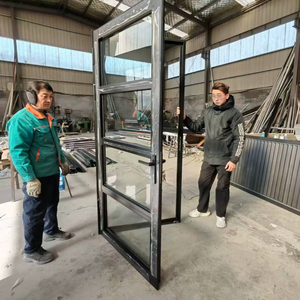
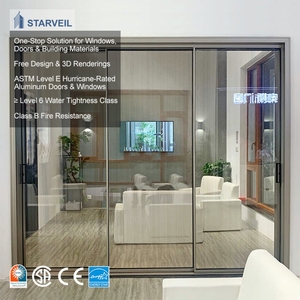
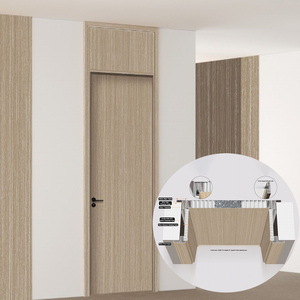
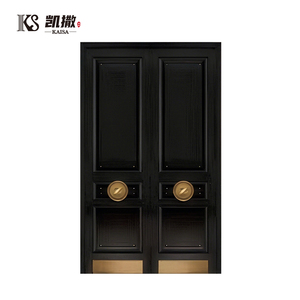
Over the past decade, architectural design language has undergone a fundamental transformation toward minimalist structural aesthetics, maximized day-lighting, and uncompromised structural resilience. In high-end residential villas, boutique hospitality projects, and luxury commercial developments, main entry systems serve as both the visual centerpiece and the primary envelope defender against environmental elements. Consequently, aluminium fancy doors have superseded traditional solid timber and mild steel doors across global markets.
Traditional wood entrance doors, while historically prized for visual warmth, suffer from dimensional instability when subjected to fluctuating relative humidity and severe thermal differentials. Delamination, warpage, and biological degradation necessitate recurring maintenance costs. Steel security doors, conversely, deliver high mechanical strength but suffer from thermal bridging, prone oxidation in coastal salt-air environments, and prohibitive dead loads that strain structural hinges and pivot assemblies. Precision-engineered architectural aluminium alloy door systems solve these engineering dilemmas by offering an exceptional strength-to-weight ratio, structural deflection resistance, superior thermal isolation, and boundless surface finish customization.
China's leading aluminium door manufacturers, situated primarily in Foshan, Guangdong, rely on virgin ingot extrusion to produce structural grade 6063-T5 profiles. The T5 heat treatment process artificially ages extrusions straight out of the press to achieve maximum hardness, tensile strength, and surface smoothness ideal for anodizing and fluorocarbon (PVDF) powder coating.
In contrast to recycled scrap aluminium which introduces microscopic inclusions and structural brittleness, primary 6063-T5 aluminium alloy provides precise chemical consistency (0.2–0.6% Silicon, 0.45–0.9% Magnesium by weight). This enables complex geometry profiles with wall thicknesses ranging from 1.6mm for interior luxury doors up to 3.0mm+ for heavy-duty oversized pivot and entrance systems engineered for hurricane-prone regions.
Interior structural voids are reinforced with hexagonal aluminium matrix cores, providing exceptional impact deflection, flatness, and STC acoustic ratings up to 42 dB.
Triple-coat PPG/AkzoNobel PVDF baked coatings withstand 30+ years of high-UV exposure, intense coastal salt-spray, and color fading without chalking or micro-cracking.
Seamless embedding of German-engineered multi-point locking systems with integrated 3D facial recognition, fingerprint access, and hidden electric drop-bolts.
When procurement managers, master architects, and commercial contractors source fancy aluminium doors from wholesale manufacturers in China, evaluating objective engineering performance parameters is essential. Quality compliance extends beyond visual aesthetic to structural wind load resistance, air infiltration rates, water penetration thresholds, and thermal performance coefficients.
| Performance Parameter | Architectural Standard / Test Method | Standard Commercial Grade | High-End Fancy Entry Grade |
|---|---|---|---|
| Aluminium Profile Thickness | GB/T 5237 / ASTM B221 | 1.2mm – 1.4mm | 2.0mm – 3.5mm Heavy-Duty Structural |
| Thermal Insulation (U-Factor) | NFRC 100 / EN ISO 10077 | ≥ 2.8 W/m²K | ≤ 1.2 – 1.6 W/m²K (PA66 Thermal Break) |
| Acoustic Insulation (STC) | ASTM E90 / ISO 140-3 | 25 – 30 dB | 38 – 45 dB (Honeycomb + Triple Glaze) |
| Wind Pressure Resistance | ASTM E330 / EN 12210 | Class 3 (2000 Pa) | Class 5+ (≥ 5000 Pa / Miami-Dade Compliant) |
| Air Infiltration Rate | ASTM E283 / EN 12207 | Level 2 (1.5 m³/m·h) | Level 4 (≤ 0.5 m³/m·h - EPDM Triple Seals) |
| Surface Finish Durability | AAMA 2605 / ISO 2810 | Standard Powder Coating (5-8 Yrs) | PVDF Kynar 500 / Anodized (25-30 Yrs) |
The choice between standard residential hardware and heavy-duty architectural hardware directly affects long-term operational satisfaction. For instance, oversized fancy entry doors—often measuring exceeding 1.8 meters in width and 3.5 meters in height—require specialized offset pivot hinges capable of sustaining axial panel loads upward of 450 kilograms without micro-sagging over millions of duty cycles.
As international real estate developers and building material importers optimize their global supply chains, China remains the epicenter of high-value architectural aluminium manufacturing. Based on real-time trade data and architectural specification shifts, three dominant procurement trends are dictating the future of the luxury aluminium door industry:
Modern luxury villas demand continuous indoor-outdoor visual connectivity. This has spurred immense global demand for oversized entrance pivot doors, ultra-narrow frame sliding doors (with visible sightlines under 20mm), and floor-to-ceiling glass panel swing doors. Achieving structural rigidity across large expanses requires manufacturers to engineer internal stiffeners, titanium-alloy reinforced framing, and advanced glass-bonding structural silicone techniques.
Fancy doors are no longer static physical barriers. B2B buyers increasingly specify pre-wired smart entry portals featuring concealed electro-magnetic locks, automated motorized opening arms, 3D biometric sensors, smart video intercoms, and IoT connectivity compatible with KNX or Control4 home automation hubs. Chinese manufacturers leading the market provide turnkey OEM/ODM integration, routing internal wiring channels during profile extrusion to protect electronic components from weather exposure.
In hot inland climates like the Middle East and tropical regions in Australia and South America, un-insulated glass doors act as heat radiators. Future procurement specifications prioritize double and triple insulating glass units (IGUs) coated with dual-silver Low-E films, Argon gas filling, and switchable electrochromic privacy glass (PDLC). This technology allows users to instantly shift glass panels from crystal clear to opaque milk-white via remote or smartphone control.
The city of Foshan in Guangdong Province, China, houses the world's most concentrated architectural aluminium manufacturing ecosystem. Sourcing fancy aluminium doors directly from an established B2B manufacturer like Doorreme Aluminum Industry Co., Ltd. provides international buyers with unparalleled engineering capabilities, cost efficiencies, and quality guarantees.
Operating a massive 123,000 square meter modern manufacturing facility staffed by over 800 industry professionals, Doorreme combines raw material processing, precision CNC machining, glass toughening, and automated assembly line operations under a unified ISO9001:2015 quality management system.
Key operational capabilities that set Doorreme apart in global wholesale distribution include:
Here are definitive engineering and commercial answers to frequent questions raised by international distributors, developers, and trade contractors when sourcing wholesale aluminium fancy doors from China.
Partner direct with China's premier manufacturer. Upload your project specifications, CAD drawings, or bill of quantities to receive structural advice and factory-direct pricing within 24 hours.
Send an Inquiry English