 English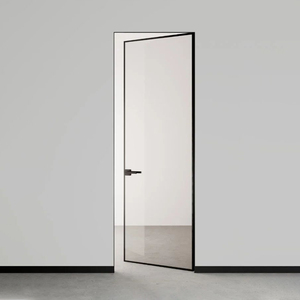
Executive Summary: Sourcing Exterior Aluminium Doors from China
The global construction market is experiencing a paradigm shift toward high-performance, climate-resilient, and energy-efficient building envelopes. Architectural exterior aluminium doors serve as critical structural interfaces connecting internal living environments with dynamic outdoor microclimates. Procurement managers, commercial real estate developers, facade engineers, and architectural importers face growing pressure to source door systems that seamlessly balance aesthetic minimalism, thermal insulation, structural integrity against extreme wind loads, and long-term durability against environmental degradation.
China—and specifically the industrial cluster in Foshan, Guangdong—has established itself as the world’s foremost epicenter for architectural aluminium profile processing and custom door manufacturing. Utilizing advanced 6063-T5/T6 metallurgical alloys, automated German/Italian CNC machining lines, precision thermal-break polymer insertions, and high-durability surface treatment techniques (such as PVDF fluorocarbon coatings and advanced anodizing), Chinese wholesale factories deliver certified facade solutions at scale. This whitepaper provides a comprehensive technical guide for B2B buyers evaluating China's wholesale aluminium outdoor doors ecosystem, detailing material standards, performance engineering, macro procurement trends (2025–2030), enterprise evaluation criteria, and technical execution protocols.
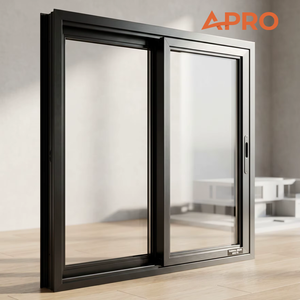
High-tensile architectural extrusions providing exceptional structural strength, superior dimensional stability, and flawless surface grain quality for custom exterior doors.
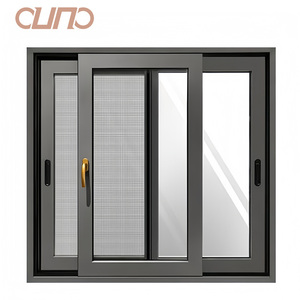
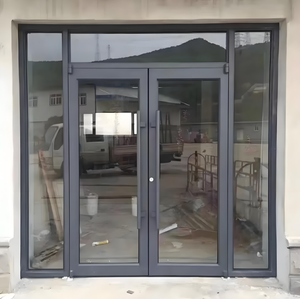
Polyamide 66 reinforced with 25% glass fiber creates an impassable thermal barrier, drastically cutting U-values to meet stringent international green building codes.
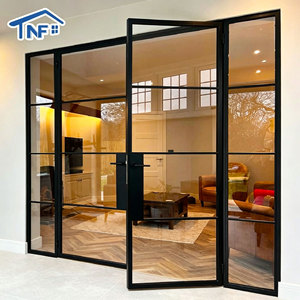
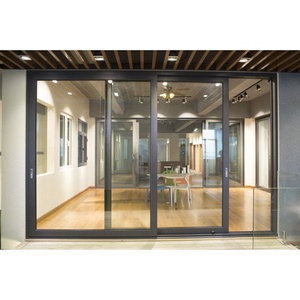
Engineered to resist wind pressures up to 5000 Pa, with SGP laminated impact safety glass compliance certified under AS2047, NFRC, and ASTM standards.
1. Engineering Science of Modern Aluminium Outdoor Doors
Understanding the engineering underpinnings of exterior door systems is vital when issuing Requests for Quotation (RFQs) to Chinese original equipment manufacturers (OEMs). Unlike interior partition doors, exterior door assemblies are subjected to continuous thermal cycling, solar ultraviolet irradiation, atmospheric moisture, structural deflections, and potential wind-driven rainwater ingress.
A. Metallurgy and Structural Profile Extrusion
The foundation of premium exterior doors lies in alloy composition. Leading Chinese exporters utilize primary ingot-based Aluminium Alloy 6063 processed to T5 or T6 tempers. The T6 temper, achieved via artificial aging at elevated temperatures, yields higher yield strength (up to 210 MPa) and ultimate tensile strength (up to 240 MPa), making it the gold standard for heavy-duty commercial storefront doors, wide-span bi-fold doors, and lift-and-slide patio doors.
Profile wall thickness must strictly comply with regional building mandates. While domestic interior profiles often measure 1.2mm, high-end export-grade exterior aluminium profiles utilize structural wall thicknesses ranging from 1.6mm for residential sliding systems up to 2.0mm–3.0mm for high-traffic commercial storefront assemblies and heavy-duty pivot doors.
B. Thermal Break Technology and Energy Efficiency
Aluminium is an inherently conductive material (thermal conductivity ~200 W/m·K). To prevent thermal bridging—where cold or heat passes freely through the frame—factories integrate a mechanical thermal break. The industry standard utilizes polyamide strips (PA66GF25), which possess a thermal conductivity of only 0.3 W/m·K. This 25% glass-fiber reinforced polymer strip ensures that the coefficient of linear thermal expansion matches that of the surrounding aluminium extrusions, preventing structural delamination during severe thermal expansion and contraction cycles.
C. Surface Treatment Science: PVDF vs. Powder Coating vs. Anodizing
Exterior door longevity is heavily governed by the chemical resilience of its surface finish. Overseas buyers specifying products for coastal regions, tropical climates, or severe urban industrial zones must mandate appropriate surface treatments:
- PVDF (Polyvinylidene Fluoride) Coatings: Utilizing a 2-coat or 3-coat fluorocarbon resin formulation (e.g., Kynar 500), PVDF coatings meet or exceed AAMA 2605 specifications. They offer extraordinary resistance to chalking, chemical exposure, salt spray corrosion (exceeding 4,000 hours in neutral salt spray testing), and intense UV degradation.
- Architectural Powder Coating: Utilizing thermosetting polyester or super-durable powder systems meeting AAMA 2604, providing a vast palette of custom RAL colors, metallic textures, and realistic wood-grain sublimation effects.
- Anodizing: An electrochemical oxidation process creating an integral aluminum oxide layer (Class I anodizing, ≥18 microns thick), providing extreme metallic hardness, abrasion resistance, and modern architectural aesthetics.
| System Category | Standard Profile Thickness | Thermal Break Spec | Glazing Assembly | Target U-Value (W/m²K) | Primary Application |
|---|---|---|---|---|---|
| Heavy-Duty Lift-Slide Door | 2.0mm – 3.0mm | 24mm – 34mm PA66GF25 | 6mm Low-E + 16Ar + 6mm Tempered | 1.4 – 1.8 | Luxury Villas, Coastal Resorts |
| Narrow-Frame Bi-Fold Door | 1.8mm – 2.2mm | 20mm – 24mm PA66GF25 | 5mm Low-E + 12Ar + 5mm Tempered | 1.6 – 2.0 | Garden Patios, Balconies |
| Hurricane Impact Storefront | 2.5mm – 3.2mm | Non-Thermal or 14mm Strip | 6mm + 1.52 SGP + 6mm Laminated Insulated | 2.2 – 2.8 | Commercial Retail, Airports |
| Architectural Pivot Entrance | 2.5mm – 3.0mm | Multi-Chamber Thermal Break | 8mm Tempered or Insulated Panel | 1.5 – 2.1 | Modern Executive Entrances |
2. Global Procurement & Future Development Trends (2025–2030)
As the international construction sector adapts to stricter net-zero operational standards and severe weather patterns driven by climate volatility, the manufacturing landscape for Chinese aluminium exterior doors is evolving rapidly. Forward-thinking buyers must align their procurement strategies with four key macro trends:
Trend 1: Extreme Weather Resilience and High-Velocity Hurricane Zones (HVHZ)
Coastal and tropical export destinations—including North America, the Caribbean, Southeast Asia, and Australia—are enforcing stringent wind-load and impact codes. Chinese export factories are investing heavily in certified high-velocity hurricane-resistant door configurations. These systems feature integrated steel reinforcements within interlock mullions, multi-point locking gearboxes, and structural silicone glazing (SSG) incorporating SGP (SentryGlas®) laminated interlayer glass. These doors withstand cyclic wind pressure testing up to +/- 5000 Pa and high-impact missile tests compliant with ASTM E1886/E1996 and Australian AS2047 standards.
Trend 2: Ultra-Narrow Sightline and Invisible Frame Architectural Aesthetics
The architectural movement toward seamless indoor-outdoor transition has driven demand for minimalist exterior door profiles. Ultra-narrow sliding systems reduce visible frame face widths down to 20mm–25mm at interlock profiles, concealing structural frames completely within walls, ceilings, and sub-floors. Engineering such slim profiles requires advanced high-rigidity 6063-T6 alloys and heavy-duty stainless steel carriage rollers capable of supporting individual glass sash weights of up to 400kg with minimal rolling resistance.
Trend 3: Smart Access, Motorized Automation, and Electrochromic Integration
Exterior doors are transitioning from passive barrier elements to active smart home nodes. Procurement trends indicate a surge in motorized lift-and-slide systems controlled via smart home protocols (Zigbee, Matter, KNX). Furthermore, commercial storefront and high-end residential entrance doors are increasingly outfitted with embedded biometric sensors (facial recognition, fingerprint scannner), magnetic levitation (Maglev) whisper-quiet sliding mechanisms, and electrochromic PDLC (Polymer Dispersed Liquid Crystal) smart glass that toggles between crystal transparency and privacy opacity at the press of a button.
Trend 4: Carbon-Neutral Production and Circular Economy Compliance
Environmental Product Declarations (EPDs) are rapidly becoming compulsory in major procurement tenders across North America, Europe, and Australasia. Leading Chinese aluminium door manufacturers are curbing embodied carbon emissions by incorporating recycled secondary aluminium ingots (processed via low-energy remelting) and powering extrusion facilities with rooftop solar photovoltaics. Importers who secure supply chains backed by verifiable carbon footprint documentation will hold a decisive competitive edge in public and institutional construction tenders.
Direct Factory Procurement Insight from Foshan Hub
"Sourcing exterior aluminium doors directly from Foshan manufacturers bypasses multi-tier export brokers, reducing procurement costs by 25% to 40%. However, success relies on verifying factory engineering capabilities, requesting certified wind-load load calculations, and establishing third-party quality control inspections prior to container sealing."
3. Enterprise Evaluation Benchmark: Doorreme Industry Co., Ltd.
When selecting a strategic manufacturing partner in China, overseas project owners, general contractors, and hardware distributors must look beyond unit price to evaluate overall enterprise capability, production infrastructure, engineering depth, and export compliance history. Doorreme Aluminum Industry Co., Ltd. (operating from its central manufacturing center in Foshan, Guangdong) represents the industry benchmark for high-performance fenestration exports.
A. Scale, Infrastructure, and Advanced Manufacturing Equipment
Founded in 2004, Doorreme has expanded into an enterprise boasting a massive 123,000 square meter modern manufacturing footprint staffed by over 800 skilled production technicians, engineering specialists, and quality management personnel. The facility operates an integrated production ecosystem comprising:
- Automatic high-speed aluminium extrusion press lines with inline quenching technology.
- Sublimation wood-grain transfer lines and automated vertical PVDF fluorocarbon spraying lines.
- Imported German Elumatec dual-head CNC machining centers delivering precision cutting tolerances within ±0.1mm.
- Automated insulated glass unit (IGU) assembly lines equipped with online argon gas filling and robotic structural silicone sealing.
With an annual manufacturing capacity exceeding 500,000 square meters of customized windows, doors, structural curtain walls, and glass railings, Doorreme guarantees stable lead-times even during peak commercial project phases.
B. Engineering Customization, BIM Support, and Structural Calculation
A primary failure point in international procurement is discrepancy between architectural design drawings and physical jobsite conditions. Doorreme solves this via a dedicated team of over 30 structural facade engineers. Before production authorization, Doorreme provides:
- Wind Load & Deflection Analysis: Computerized finite element modeling to verify mullion and glass panel deflection under site-specific wind pressures.
- Comprehensive Shop Drawings: CAD detail drawings illustrating wall interface anchorages, flashing details, thermal barrier alignments, and drainage paths.
- Physical Mockup Testing: In-factory water tightness and air infiltration testing of customized door mockups to ensure seamless compliance with international standards.
C. International Standards, Quality Management, and Global Reach
Operating under ISO 9001 certified quality management systems, Doorreme products hold credentials satisfying global regional building codes. Doorreme products hold certifications including Australian AS2047 / AS1288, North American NFRC energy performance ratings, Canadian CSA standards, and European CE marking. To date, Doorreme facade and door systems have been successfully exported and installed in over 140 countries and regions across North America, South America, Australia, Southeast Asia, the Middle East, Africa, and the Caribbean.