 English
Precision-engineered aluminum sliding, folding, and partition solutions manufactured to international architectural standards including AS2047, NFRC, and CSA certificates.
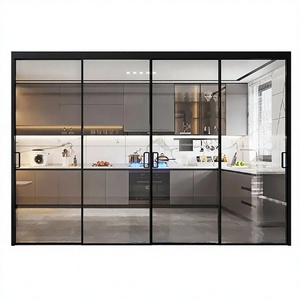
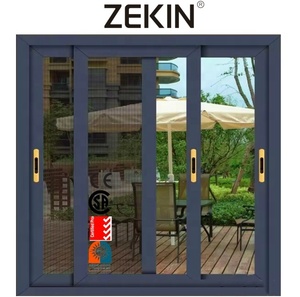
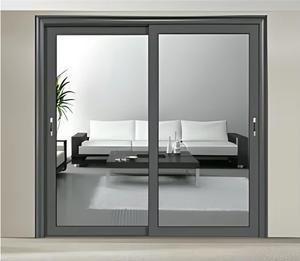
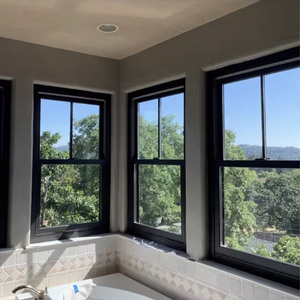
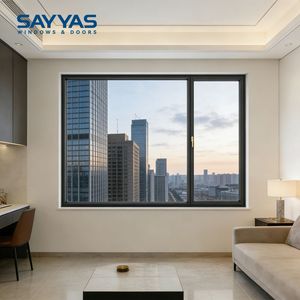
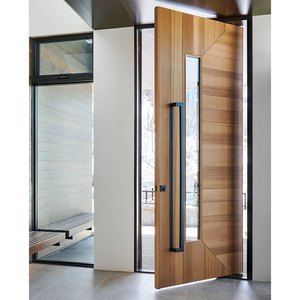

In high-end residential interior architecture and modern commercial hospitality spaces, the kitchen door has evolved far beyond a basic physical barrier. Modern architectural trends emphasize fluid spatial transitions, daylight harvesting, and effective acoustic separation. Custom OEM aluminium glass kitchen doors represent the convergence of structural metallurgy, precision glazing, and functional interior zoning.
Traditional solid timber or basic PVC kitchen doors often struggle with humidity, grease accumulation, and light blockage. Aluminum alloy profiles, combined with high-grade tempered glass, provide an impervious, dimensionally stable structure that withstands thermal fluctuations and high-moisture environments. For OEM buyers, project developers, and architectural contractors, selecting the optimal profile geometry and glass package is essential to achieving both aesthetic elegance and long-term mechanical reliability.
Furthermore, open-concept floor plans frequently require adaptable space partitioning. Slim-frame aluminum sliding doors, pocket doors, and bi-fold glass partition systems allow spaces to transition seamlessly between open entertainment areas and closed cooking environments. This dual functionality prevents grease, airborne smoke particles, and culinary odors from escaping into living and dining suites, satisfying stringent residential building performance codes worldwide.
To make informed OEM procurement decisions, buyers must evaluate the raw material compositions, acoustic dampening properties, and surface finish coatings engineered by primary aluminum manufacturers like Doorreme Aluminum Industry Co., Ltd.
Primary extrusions are manufactured using 6063-T5 aluminum alloy, renowned for its superior yield strength, surface anodizing receptivity, and exceptional corrosion resistance. Compared to recycled scrap aluminum, primary billet extrusions maintain structural uniformity without internal voids, ensuring precision corner crimping and smooth track operation over decades of use.
High tensile strength with T5 artificial aging treatment delivers maximum mechanical stability for heavy glass load capacities.
Polyamide PA66 GF25 thermal barrier strips prevent heat transfer across frame sections, maintaining indoor thermal comfort.
Advanced fluorocarbon (PVDF) and architectural powder coatings provide resistance against salt spray, chemical cleaners, and UV exposure.
Acoustic control is a crucial performance metric for high-end residential kitchen doors. High-power kitchen appliances, exhaust fans, and dishwashing equipment generate noise levels ranging from 65 dB to 80 dB. By implementing double-glazed insulating units (IGU) or PVB-laminated glass options, noise transmission can be reduced significantly:
| System Type | Profile Thickness | Standard Glazing Package | Acoustic Rating (Rw) | Thermal U-Value | Hardware Specification |
|---|---|---|---|---|---|
| Narrow-Slim Kitchen Sliding Door | 1.6 mm - 2.0 mm | 5mm+12A+5mm Tempered Glass | 34 dB | 2.1 W/m²K | Concealed Soft-Close Roller Systems |
| Heavy-Duty Thermal Break Door | 2.0 mm - 3.0 mm | 6mm Low-E+16Ar+6mm Clear | 38 dB | 1.5 W/m²K | German Roto / Siegenia Multi-Point |
| Bi-Fold Accordion Partition Door | 1.8 mm - 2.2 mm | 5mm+1.14PVB+5mm Laminated | 36 dB | 1.8 W/m²K | Heavy Duty Stainless Roller Tracks |
| Minimalist Pocket Sliding Door | 1.4 mm - 1.8 mm | 8mm / 10mm Single Tempered | 28 dB | N/A (Interior) | Top-Hung Magnetic Suspended Rollers |
The global market for architectural aluminum doors and window systems is undergoing rapid technological evolution driven by sustainability mandates, minimalist interior design trends, and smart building integration. B2B procurement managers and real estate developers must align their supply chains with the following emerging industry vectors:
Modern interior design favors minimalist visual profiles. Future procurement specifications are heavily leaning toward "invisible" aluminum frames where vertical interlockers are minimized to 16mm or 21mm widths. These systems conceal the aluminum framework within wall pockets and ceiling recesses, creating seamless floor-to-ceiling glass expanses.
Privacy-on-demand is becoming standard in luxury residential and modern office pantries. Polymer Dispersed Liquid Crystal (PDLC) switchable smart glass allows kitchen doors to transition from fully transparent to opaque with the touch of a button or a smart home voice command, eliminating the need for traditional blinds or curtains that collect grease.
Design for Manufacture and Assembly (DfMA) is revolutionizing global construction sites. OEM manufacturers are supplying pre-assembled, modular door units with pre-calibrated tracks, integrated sub-frames, and pre-installed glass. This drastically reduces site installation labor costs, prevents field misalignment, and shortens construction timelines.
International building certifications such as LEED v4.1 and BREEAM mandate strict embodied carbon tracking for building envelopes. Top-tier OEMs in China are adopting low-carbon aluminum billets smelted using hydroelectric power, backed by Environmental Product Declarations (EPD) to streamline project compliance in North America, Europe, and Australia.
Selecting a dependable OEM aluminum kitchen door manufacturer is critical for ensuring product consistency, competitive wholesale pricing, and timely project delivery. Founded in 2004 and headquartered in Shishan Town, Foshan City—China’s premier aluminum manufacturing hub—Doorreme Aluminum Industry Co., Ltd. stands as an industry leader in architectural fenestration manufacturing.
Equipped with high-precision CNC extrusion, automated corner crimping, and computerized insulating glass production lines.
Our technical team generates full 2D CAD elevational drawings and 3D BIM models before production, guaranteeing zero site mismatch.
Products undergo air infiltration, water penetration resistance, structural wind pressure, and 100,000-cycle hardware endurance tests.
Doorreme has exported custom aluminum windows, sliding doors, curtain walls, and interior partitions to over 140 countries and regions across North America, Australia, Europe, Southeast Asia, and the Middle East. With an annual capacity exceeding 500,000 m² and a staff of over 800 skilled professionals, Doorreme delivers factory-direct values while maintaining strict global compliance.
Find authoritative answers to common engineering, ordering, and logistics questions when sourcing OEM aluminum glass kitchen doors from China.
Yes. Every system is engineered to order. You can submit architectural drawings, opening dimensions, or elevation schedules. Our structural engineers review the parameters, propose optimal profile series and glass build-ups, and generate final shop drawings for your written sign-off before raw material cutting begins.
For standard interior kitchen partitions, 5mm or 8mm single tempered glass (often clear, frosted, or flute/reeded) is widely used. For spaces requiring sound insulation or temperature control, double glazed units such as 4mm + 9A + 4mm or 5mm + 12A + 5mm tempered glass are recommended.
We partner with top-tier hardware manufacturers including German Roto, Siegenia, and premier Chinese brands (HOPO, Kin Long). Track configurations include flush floor-embedded tracks, barrier-free low thresholds, and top-hung heavy-duty roller systems that eliminate floor tracks entirely.
All door profiles undergo multi-stage chemical pretreatment followed by electrostatic powder coating, anodizing, or PVDF fluorocarbon spraying. These finishes resist oil accumulation, harsh cleaning agents, and high ambient humidity without peeling, fading, or oxidizing over time.
Standard production lead time is 25 to 35 business days following final drawing approval and deposit receipt. Expedited schedules are available for urgent commercial projects upon evaluation by our production management team.
Products are packaged using multi-layer protection: protective film on aluminum profiles, foam corner guards, shrink wrap, and fully sealed fumigation-free plywood crates. This ensures zero moisture ingress or physical damage during transoceanic shipping.