Direct factory supply for global developers, architects, and trade wholesalers
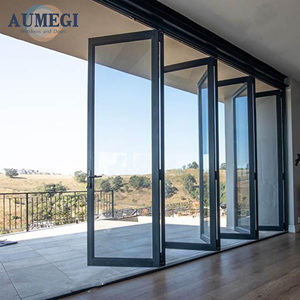
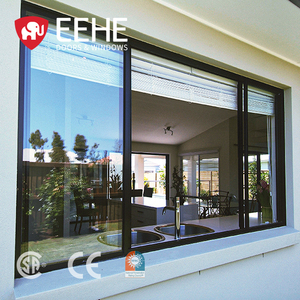
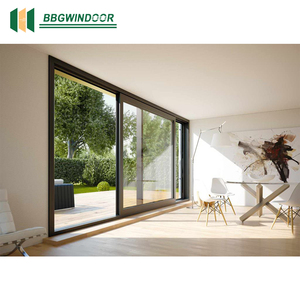
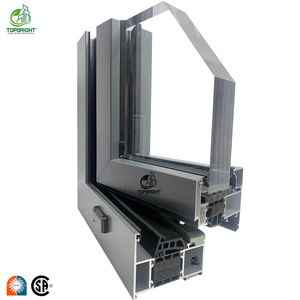
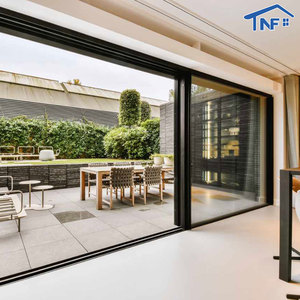
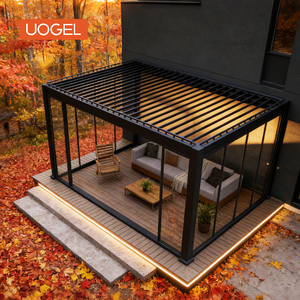
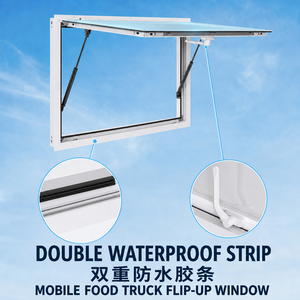
An in-depth guide on metallurgical selection, structural acoustic performance, and global supply chain integration for commercial and luxury residential projects.
In modern architectural design, internal space utilization has transitioned from rigid wall partitions to dynamic, flexible environments. Custom OEM aluminium internal sliding doors have emerged as the foundational solution for spatial fluid dynamics in high-end residential villas, modern office towers, luxury hospitality projects, and healthcare facilities. By eliminating the swing radius of traditional hinged doors, sliding systems yield up to 8% additional usable floor plan area while enhancing daylight penetration and maintaining structural acoustic isolation.
From an engineering perspective, modern interior sliding systems demand rigorous material specifications. Unlike standard external doors prioritized primarily for extreme weather resistance, internal sliding doors require a specialized balance of micro-narrow sightlines, whisper-quiet gliding kinetics, structural rigidity against panel deflection, and seamless floor transition profiles.
Technical Gain: High-grade 6063-T6 primary aluminum billets combined with precision-extruded wall thicknesses (1.4mm to 2.5mm) provide the ultimate moment of inertia, preventing warping in oversized panel spans up to 3.5 meters in height.
As leading OEM/ODM suppliers operating out of Foshan—the world's hub for structural aluminum processing—our engineering teams customize profile geometry, dampening hardware, and surface treatment options to comply precisely with international building codes (including North American NFRC/CSA standards and European CE regulations).
The core structural integrity of OEM sliding doors lies within the alloy chemistry and tempering process. Leading factories utilize prime architectural aluminum alloys to ensure structural resilience and surface coating longevity:
| Specification Vector | Standard Grade OEM | High-End Custom OEM (Doorreme Benchmark) | Engineering Significance |
|---|---|---|---|
| Alloy Matrix | Recycled 6063-T5 Aluminium | 100% Primary 6063-T6 / 6061-T6 Extrusions | Superior tensile strength (≥205 MPa) and pristine anodizing clarity. |
| Profile Wall Thickness | 1.0 mm – 1.2 mm | 1.4 mm – 2.0 mm (Up to 3.0 mm for heavy pocket doors) | Eliminates door frame flexing under high-cycle commercial usage. |
| Acoustic Isolation (STC) | STC 22 - 26 dB (Single Glaze) | STC 35 - 42 dB (Laminated / Double Acoustic Glass) | Critical for executive conference rooms and private suites. |
| Track & Roller Systems | Nylon Rollers / Exposed Bottom Rail | Concealed Stainless Steel (SS304) / Magnetic Levitation | Achieves over 150,000 smooth cycle tests with ultra-low rolling friction. |
| Surface Finishing | Standard Powder Coating | AkzoNobel PVDF Fluorocarbon / Anodized Electrocoat | Corrosion resistance against cleaning agents, UV discoloration, and scratches. |
Selecting the correct internal sliding configuration depends directly on the project's spatial acoustics and physical boundary requirements. Pocket sliding doors disappear into drywall cavities for 100% clear opening width, while ultra-slim narrow-frame sliding glass partitions offer minimalist visual aesthetics with light transmittance exceeding 90%.
Key architectural and manufacturing shifts shaping international trade procurement for commercial & multi-family developments.
Prefabricated modular building methods require sliding door systems engineered to exact millimeter tolerances. OEM suppliers must provide pre-assembled sub-frames and unitized knock-down (KD) packaging systems for rapid installation on site, reducing job-site labor costs by up to 35%.
Global developers are enforcing strict LEED and BREEAM sustainability standards. Procurement shifts heavily favor factories utilizing hydro-powered low-carbon aluminum billets and non-toxic powder coatings with zero Volatile Organic Compounds (VOCs).
Internal sliding systems are moving away from manual sliding toward quiet motorized and magnetic levitation (MagLev) tracks. Integrated touchless motion sensors, smart-home automation connectivity, and soft-close hydraulic dampers are now standard requirements for luxury office and residential specifications.
How next-generation engineering is elevating internal aluminium sliding door functionality
The visual focus of high-end interior sliding doors is the reduction of visible profile width. OEM manufacturers are innovating ultra-slim vertical stiles down to 16mm visible width while maintaining structural stability through concealed inner steel reinforcements or structural glass bonding techniques.
These "ghost frame" designs create an uninterrupted visual continuum across interior living spaces, maximizing natural ambient light transfer between rooms while retaining high structural torsion resistance.
Historical weakness in internal sliding doors centered around acoustic leaks along track thresholds and interlocking mullions. Modern engineering solves this via continuous EPDM/TPV perimeter gaskets combined with automatic drop-down bottom seals that extend when closed.
Integrated acoustic glass packages (such as 5mm + 1.14PVB + 5mm laminated safety glass) allow internal sliding doors to achieve acoustic ratings comparable to solid core masonry walls, critical for private executive boardrooms and quiet study rooms.
Essential guidance for commercial contractors, importers, and architectural buyers
Connect with our technical engineering team today to receive custom drawings, factory-direct OEM pricing, and full product catalogs.
Get Catalog English