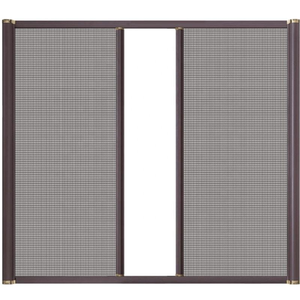
Precision-engineered aluminum swinging, French, and patio door configurations manufactured to exact architectural CAD/BIM specifications.
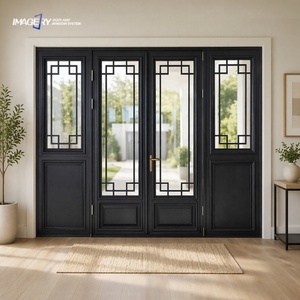
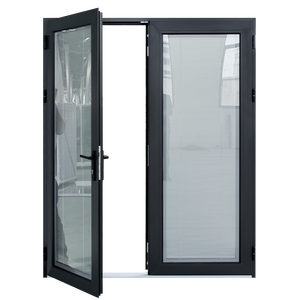
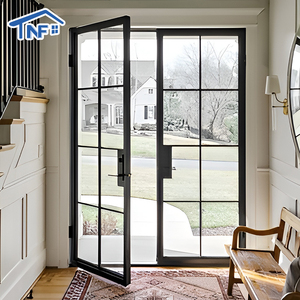
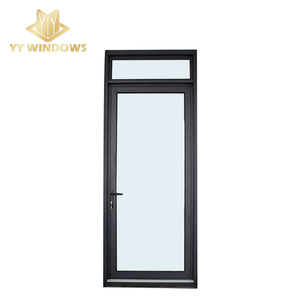
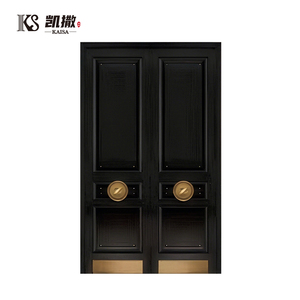
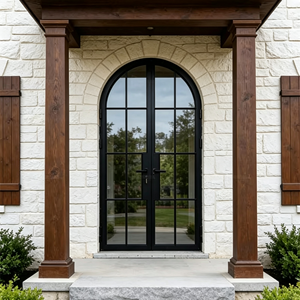
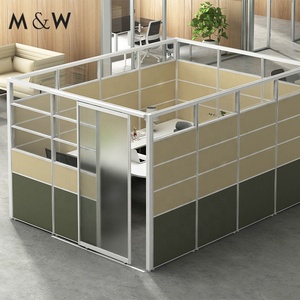
Operating from Foshan—China's premier aluminum technology cluster—Doorreme Industry Co., Ltd. delivers custom fenestration solutions backed by two decades of rigorous engineering expertise.
Utilizing high-tensile 6063-T5 and T6 structural aluminum alloys, our extrusions exceed international yield and tensile strength thresholds. Profiles feature heavy wall thicknesses ranging from 1.4mm for standard residential casements to 2.0mm–3.0mm for heavy-duty commercial entrance pivot and swing doors.
Our automated finishing line executes multi-stage AkzoNobel electro-powder coatings, Fluorocarbon PVDF coatings (exceeding 10,000 hours salt-spray resistance), and architectural anodizing. Engineered specifically for high-UV and severe marine atmospheric corrosion environments.
To eliminate post-installation sags and seal failures, every OEM casement assembly integrates heavy-duty multi-point stainless steel gear locking hardware (such as German Roto Frank, Siegenia, or premium custom-engineered concealed hinges) rated for over 100,000 continuous operation cycles.
An in-depth analysis of thermal insulation, structural integrity, acoustic damping, and weatherproofing mechanisms required for modern building envelopes.
Information Gain Insight: Unlike standard PVC or non-broken aluminum swinging doors, commercial-grade thermal break aluminum casement doors utilize polyamide (PA66GF25) glass-fiber reinforced structural struts. This breaks the conductive heat transfer path, lowering door system U-factors down to ≤ 1.4 W/m²K while providing structural stability against wind loads exceeding 5000 Pa.
| Performance Feature | Standard Residential Grade | High-Performance Thermal Break | Hurricane Impact / Severe Weather Grade |
|---|---|---|---|
| Profile Wall Thickness | 1.4 mm – 1.6 mm | 1.8 mm – 2.0 mm | 2.2 mm – 3.0 mm Reinforced Alloy |
| Thermal Insulation (U-Factor) | 2.8 – 3.2 W/m²K | 1.4 – 1.8 W/m²K (PA66GF25 Strips) | 1.1 – 1.5 W/m²K (Triple Glazed Argon) |
| Acoustic Damping (STC Rating) | STC 28 – 32 dB | STC 38 – 42 dB (Double Insulating) | STC 43 – 48 dB (Acoustic PVB Laminated) |
| Air Infiltration (ASTM E283) | ≤ 0.30 cfm/ft² | ≤ 0.10 cfm/ft² (EPDM Triple Gaskets) | ≤ 0.05 cfm/ft² (Pressure Equalized Seal) |
| Wind Load Resistance (ASTM E330) | 1500 – 2500 Pa | 3000 – 4500 Pa | ≥ 5500 Pa (Miami-Dade NOA Compliant) |
| Glass Configuration Options | 5mm + 12A + 5mm Tempered | 6mm + 16Ar + 6mm Low-E Tempered | 6mm Low-E + 12Ar + 6mm + 1.52 SGP Laminated |
The primary vulnerability in traditional aluminum swinging doors is thermal bridging. Solid metal profiles rapidly conduct heat, causing energy loss and internal surface condensation. Modern OEM casement door designs overcome this through multi-chamber thermal breaks. By inserting precision-extruded PA66GF25 structural polyamide strips between internal and external aluminum frames, conductive heat flow is virtually eliminated.
Furthermore, filling these internal profile chambers with expanded polyurethane (PUR) or aerogel insulation foams elevates energy performance to meet stringent Passive House and NFRC energy standards across North America and Europe.
Casement doors are subject to severe driving rain and pressure differentials. OEM/ODM designs from top manufacturers utilize continuous EPDM (Ethylene Propylene Diene Monomer) gasket seals across three perimeter barriers: outer weather seal, central acoustic chamber, and inner air seal.
Equipped with hidden weep hole drainage channels and pressure-equalized drainage caps, water ingress is directed out of the frame profile before reaching internal sills—delivering water tightness ratings up to 750 Pa under continuous rainfall simulation testing.
Key economic, environmental, and technological shifts transforming how architects, real estate developers, and wholesalers buy aluminum doors.
Global procurement policies now heavily weigh embodied carbon. Future-focused OEM manufacturers are transitioning to hydro-powered primary aluminum and recycled circular aluminum billets (≥ 75% recycled content). Utilizing low-carbon aluminum dramatically reduces Scope 3 greenhouse gas emissions, enabling commercial projects to achieve higher LEED v4 and BREEAM sustainability ratings.
Paper-based submittals are obsolete. Modern developers demand full Building Information Modeling (BIM) object integration, including Autodesk Revit files with embedded thermal data. OEM suppliers offering Design for Manufacturing (DFM) support drastically accelerate project approval cycles, allowing custom extrusion dies and hardware templates to be verified virtually prior to mass production.
Rising job-site labor costs across North America, Europe, and Australia have triggered a pivot toward factory-glazed, fully unitized door and window units. B2B buyers increasingly specify complete knock-down (CKD) or fully assembled pre-hung casement door kits containing pre-drilled frames, installed hardware, and factory-tested glass units that cut on-site installation times by over 60%.
Exploring how emerging manufacturing technologies are redefining aesthetics, security, and smart home connectivity in aluminum swinging doors.
The architectural market has witnessed a massive resurgence in industrial and heritage minimalist aesthetics. Custom ODM manufacturers have developed specialized ultra-narrow thermal break profiles (with visible sash sightlines under 35mm). These frames replicate classic Crittall-style steel doors while integrating high-efficiency double insulating glass, multi-point locks, and superior thermal performance that original steel frames could never match.
Modern commercial and residential entry points demand seamless smart home integration. Next-generation OEM aluminum casement doors feature concealed wiring conduits inside the sash profiles, accommodating motorized multi-point locks, 3D facial recognition access, fingerprint biometric handles, and keyless smart home access controls without exposing unsightly hardware or compromising air tightness.
With extreme weather events becoming more frequent, coastal high-rise developments require severe hurricane impact certification. Advanced OEM casement doors utilize DuPont SentryGlas (SGP) ionoplast interlayers sandwiched between tempered glass panes. Even when shattered by heavy flying debris, the glass panel retains structural rigidity, preventing wind pressure from blowing out the envelope.
For office partitions, medical facilities, and luxury villas, casement doors with internal magnetic louvers or electrochromic (PDLC) switchable smart glass represent the frontier of privacy control. Hermetically sealed inside double-glazed units, internal blinds require zero cleaning, eliminate dust accumulation, and provide instant light modulation at the touch of a button.
Comprehensive answers addressing common engineering, logistics, testing, and customization inquiries from commercial developers and importers.
Whether you need custom extrusions, CAD shop drawings, sample prototyping, or factory-direct pricing for project tenders—our engineering team is ready to assist.
Get a Quote English