Architectural Significance of Brown Aluminium Windows in Modern Facades
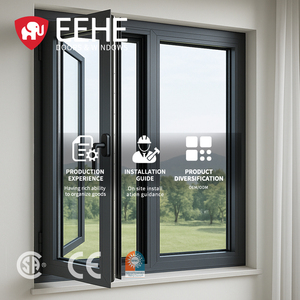
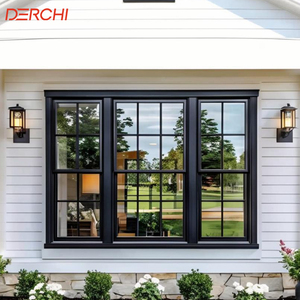
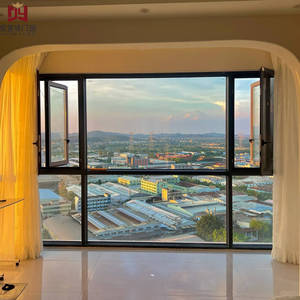
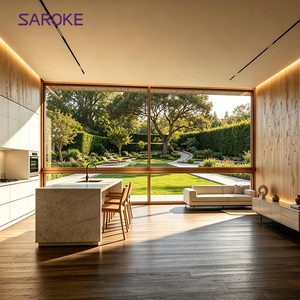
In contemporary architectural design, the demand for brown, bronze, and earth-toned aluminum window profiles has experienced an unprecedented surge across North America, Europe, Australia, and the Middle East. Moving away from standard cold anodized silver or stark white frames, architectural brown aluminum windows offer a sophisticated, organic aesthetic that seamlessly blends natural surroundings with modern industrial minimalism.
Aluminum fenestration systems finished in warm undertones—ranging from RAL 8019 Grey-Brown and RAL 8028 Terra Brown to Electrostatic Anodized Dark Bronze—provide crucial visual anchoring for luxury residential villas, high-rise urban apartments, and commercial headquarters. Beyond visual appeal, the structural engineering of 6063-T5 and 6063-T6 architectural grade aluminum extrusions delivers superior wind-load resistance, acoustic attenuation, and decades of maintenance-free performance in demanding climatic environments.
Information Gain Insight: Modern architectural brown coatings are no longer limited to simple surface paint. Leading Chinese exporters utilize Qualicoat Class 2 standard thermosetting powder coatings and PVDF (polyvinylidene fluoride) fluorocarbon coatings containing 70% Kynar 500 resin. This ensures zero chalking, resistance to intense solar UV degradation, and protection against salt-spray corrosion for over 25 years in coastal environments.
Surface Treatment Comparison Matrix for Brown Aluminium Windows
When procuring bulk aluminum windows from overseas suppliers, specifying the correct surface treatment is paramount to structural longevity and color retention. Below is an engineering comparison matrix for B2B procurement officers and architects:
Finish Type
Chemical Composition
UV Resistance Rating
Salt Spray Resistance
Ideal Application Environment
PVDF Fluorocarbon (2/3-Coat)
70% Kynar 500 / Hylar 5000 Resin
Extreme (Delta E < 5 @ 20 yrs)
> 4,000 Hours (ASTM B117)
Coastal, High-UV Tropical, Commercial Skyscrapers
Anodized Dark Bronze
Electrochemical Oxide Layer (20-25µm)
Superior (Metallic Lustre)
> 3,000 Hours (ISO 9227)
High-End Residential Villas, Modern Minimalism
Qualicoat Powder Coating
Thermosetting Polyester Resin
High (Standard RAL 8019/8028)
1,500 – 2,000 Hours
Standard Residential, Urban Subdivisions
Wood-Grain Sublimation
Polyurethane Base + Vacuum Heat Transfer
Moderate-High (3D Textured)
1,200 Hours
Luxury Resorts, Eco-LODGE Cabins, Traditional Estates
Top 10 Aluminium Brown Windows Supplier & Exporter Evaluation Framework
Selecting a Tier-1 aluminum window manufacturer in China requires evaluating technical qualifications beyond price per square meter. A comprehensive audit of manufacturing infrastructure, structural engineering calculations, thermal break technologies, and international compliance certifications is essential to avoid job-site failures.
Key Evaluation Benchmarks for Global Importers
To assist general contractors, developers, and distributors, our senior engineering team has established the following 5-point evaluation framework for identifying premier brown aluminum window suppliers:
1. Thermal Break Technology
Integration of high-density PA66GF25 (Polyamide 66 with 25% Glass Fiber) insulating strips to isolate interior and exterior aluminum profiles, reducing U-factors down to 0.20-0.24 Btu/h·ft²·°F.
2. Glazing Package Options
Factory capacity to supply Low-E double/triple insulated glass unit (IGU) setups with Warm Edge Spacers, Argon Gas filling (90%+ retention), and impact laminated glass options for hurricane zones.
3. Hardware & Gearbox Precision
Integration of multi-point lock transmission gearboxes, heavy-duty stainless steel friction hinges (SS304), and premium hardware systems from brands like German Roto Frank, SIEGENIA, or top Chinese suppliers.
Future Development & Procurement Trends for Brown Aluminum Windows (2025–2030)
As global building codes enforce near-zero energy consumption (NZEB) standards and architects demand sleeker structural aesthetics, the design and manufacturing of brown aluminum window systems are rapidly evolving. Importers and commercial project developers must align their procurement strategies with five macro technical trends:
1. Ultra-Narrow Frame & Hidden Sash Engineering
Modern architectural minimalism has pushed frame sightlines to their absolute structural limits. Future procurement will focus heavily on narrow-frame bronze/brown aluminum casement and sliding systems featuring frame widths of 25mm to 45mm. Hidden sash designs, where the operable sash is completely concealed behind the outer frame profile when closed, maximize daylight capture while creating a uniform exterior glass curtain effect.
2. Smart Tinting & BIPV Integration
The convergence of architectural fenestration and solar tech is driving the adoption of electrochromic glass (smart tinting) and Building-Integrated Photovoltaics (BIPV) within dark bronze aluminum window frames. Through low-voltage electrical signals, the glass seamlessly transitions from transparent brown tints during low-sun hours to opaque solar-blocking shields during peak afternoon sunlight, reducing HVAC load by up to 35%.
3. Circular Economy & Recycled Low-Carbon Billets
Leading North American and European developers now require Environmental Product Declarations (EPD) and recycled content verification for aluminum extrusions. Premier exporters in China are transitioning toward hydro-powered low-carbon aluminum billets and post-consumer recycled aluminum alloys (75%+ recycled content), reducing embodied carbon emissions from 18 kg CO2e/kg to under 4.0 kg CO2e/kg of extruded profile.
4. Severe Weather Resilience & Hurricane Impact Engineering
Driven by escalating coastal storms and climate volatility, international procurement requirements increasingly mandate hurricane-impact ratings under ASTM E1886 and ASTM E1996 standards. Next-generation brown aluminum windows feature heavy-wall extrusion thickness (up to 2.2mm-3.0mm) combined with SentryGlas® (SG) ionoplast interlayers to withstand wind load pressure spikes exceeding 5,000 Pa (100 P.S.F.).
Frequently Asked Questions (FAQ) for Sourcing Brown Aluminium Windows
Below are detailed, engineering-level answers to common technical queries raised by international project owners, procurement managers, and importers when sourcing customized aluminum fenestration systems from China.
What are the key technical differences between RAL 8019 Grey-Brown powder coating and Anodized Dark Bronze finishes?
+
RAL 8019 Grey-Brown is an organic powder coating applied electrostatically and baked at high temperatures, offering an opaque, flat brown surface color. Anodized Dark Bronze, conversely, is an electrochemical conversion process that grows an aluminum oxide layer into the metal matrix while depositing metallic salts in the pores. Anodized bronze retains a rich metallic sheen with dynamic optical depth under changing light conditions and provides higher surface hardness (Mohs 7-8), whereas PVDF/powder coating provides greater color uniformity across large multi-batch projects.
How does Doorreme ensure NFRC energy performance compliance for cold climate exports?
+
Doorreme incorporates high-performance multi-chambered polyamide PA66GF25 thermal barrier strips (widths ranging from 24mm to 34mm) that physically break the thermal bridge between exterior and interior profile sections. Combined with double or triple-pane Insulated Glass Units (IGUs) featuring argon gas fill, warm-edge silicone spacers, and double Low-E coatings (such as Solarban 60/70), our window assemblies achieve total system U-factors low enough to comfortably pass NFRC and ENERGY STAR criteria for North American climate zones.
Can Doorreme manufacture custom sizes, arches, and mechanical sliding configurations based on architectural shop drawings?
+
Yes. Every unit manufactured by Doorreme Aluminum Industry Co., Ltd. is built strictly to order. Our in-house engineering design department generates 2D/3D CAD shop drawings, structural wind pressure calculations, and elevation schedules based on your site measurements or architectural plans. Custom arched tops, mechanical horizontal sliding sash arrangements, tilt-and-turn gearboxes, and integrated flyscreen tracks are routinely engineered and validated before production sign-off.
What quality control and packaging protocols are utilized to prevent transit damage during ocean freight shipment?
+
To ensure zero damage across long-distance ocean freight shipping, every window frame undergoes a multi-layer protective sequence: 1) Blue protective film applied over all finished aluminum profile surfaces; 2) EPDM corner protective caps; 3) Fully wrapped waterproof PE shrink film; 4) Encapsulation within heavy-duty honeycomb cardboard boxes; and 5) Stacking into fully enclosed fumigated plywood crates with integrated lifting straps for forklift unloading on job sites.
What hardware brands and multi-point locking options are available for casement and double-hung brown windows?
+
Depending on project specifications and budget requirements, we offer top-tier European hardware packages including German Roto Frank, SIEGENIA, and HOPPE handles, as well as premium tier-1 domestic hardware systems (such as HOPO and Kin Long). Multi-point gearboxes with mushroom-head locking cams provide enhanced anti-burglary protection (RC2/RC3 security standards) and superior gasket compression for airtight seals.
Why Partner with Doorreme: Manufacturing Capabilities & Global Infrastructure
Established in 2004 in Foshan, Guangdong—China's global capital of aluminum extrusions—Doorreme Aluminum Industry Co., Ltd. (also operating as HiHaus) has grown into a world-class manufacturer of custom architectural aluminum windows, doors, glass curtain walls, and facade systems.
123,000 m² Mega Manufacturing Base
Equipped with automated CNC double-head cutting saws, 4-axis machining centers, automatic corner crimping robots, and dual insulated glass production lines delivering over 500,000 square meters of annual output.
Global Export Footprint (140+ Countries)
Two decades of international project experience supplying high-rise residential towers, luxury resort complexes, airport terminals, and commercial malls across North America, Australia, Southeast Asia, and the Middle East.
Engineering Customization & Site Support
Full B2B engineering support: structural wind pressure calculations, thermal modeling reports, structural silicone glazing analysis, and on-site technical installation guidance for major international projects.
Ready to Source Custom Brown Aluminium Windows for Your Project?
Contact our senior facade engineering team to receive factory-direct pricing, shop drawing assistance, profile samples, and full technical specifications within 24 hours.
 English