Explore commercial-grade insert solutions featuring thermal break profiles, integrated blind systems, GFRP core insulation, and hurricane-impact ratings.
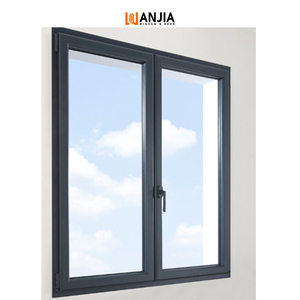
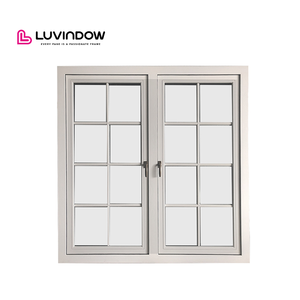
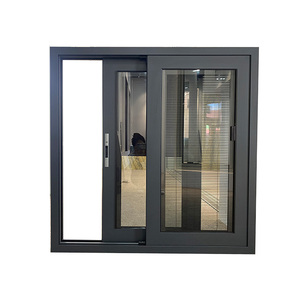
Understanding structural sub-framing, thermal breaks, and integrated louver mechanics
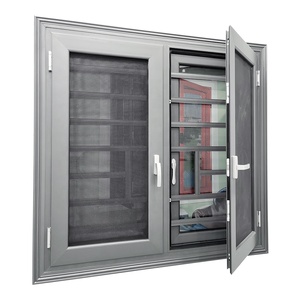
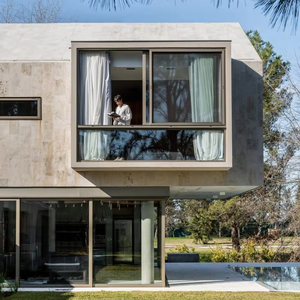
In contemporary structural engineering and fenestration design, Aluminium Insert Windows represent a specialized sub-category of architectural glazing systems. Unlike standard direct-set or exterior-flange windows, insert windows are engineered to fit directly into existing master frames, sub-frames, or curtain wall structural grid openings without requiring structural demolition of surrounding masonry or cladding facades. This precise sub-framing insertion technique reduces installation labor by up to 60% while maintaining exceptional structural integrity, structural wind-load resistance, and water tightness.
Modern commercial specifications demand strict thermal performance, acoustic attenuation, and architectural aesthetics. Aluminum insert windows meet these requirements through structural thermal breaks—utilizing high-density Polyamide (PA66GF25) reinforced strips or advanced Glass Fiber Reinforced Polymer (GFRP) insulation inserts. These thermal barriers effectively isolate interior and exterior aluminum profile chambers, eliminating thermal bridging and preventing condensation build-up in high-humidity zones.
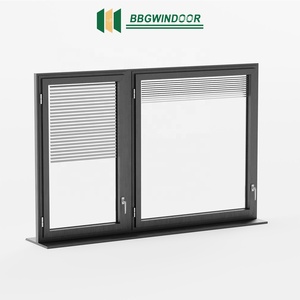
One of the most notable innovations in modern insert fenestration is the integration of dust-free, hermetically sealed internal blinds within Insulating Glass Units (IGUs). Utilizing magnetic coupler controls or motorized micro-actuators embedded inside 20A–27A air gaps, these inserted blind units provide superior light control, maintenance-free privacy, and acoustic insulation ratings exceeding STC 40 dB without mechanical wire penetrations.
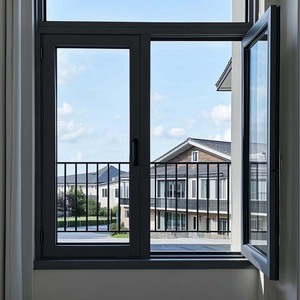
From high-rise residential retrofits to green commercial office towers, aluminium insert windows provide a versatile framework. They accommodate multiple opening configurations—including tilt-and-turn, heavy-duty sliding, casement swing, and top-hung awning configurations—ensuring compliance with international codes such as ASTM E283/E330/E331, North American NFRC standards, Australian AS2047, and European CE standards.
Why Tier-1 contractors and structural engineers specify aluminum insert modules
Multi-cavity polyamide and glass fiber inserts dramatically reduce frame thermal conductivity, yielding overall U-factors as low as 0.8 to 1.2 W/m²K for Passive House benchmarks.
Integrated micro-louvers sealed inside argon-filled double/triple glazing eliminate dust collection, protecting internal blinds while providing acoustic attenuation up to 45dB STC.
Extruded from high-tensile 6063-T5/T6 aluminum alloys with reinforced corner crimping, inserted frame profiles resist design pressures exceeding ±4500 Pa (ASTM E330).
An objective evaluation of global leaders based on engineering capacity, customization flex, and supply stability
Selecting the right fenestration manufacturer requires analyzing technical capabilities, manufacturing scale, alloy extrusion standards, glass processing technology, and international export logistics support. Below is an evaluation of the market's leading manufacturers and OEM suppliers of aluminium insert windows.
| Manufacturer / Supplier | Headquarters | Core Specialization | Max Capacity / Facility Size | Target Compliance |
|---|---|---|---|---|
| Doorreme Aluminum Industry Co., Ltd. | Foshan, China | Custom Insert Windows, Built-in Blinds, Curtain Walls | 123,000 m² / 500,000 m² Annual | CE, CSA, NFRC, AS2047 |
| Schüco International | Bielefeld, Germany | High-end Architectural Fenestration Systems | Global Logistics Network | EN 14351-1, Passive House |
| Reynaers Aluminium | Duffel, Belgium | Sustainable Aluminum System Extrusions | Worldwide Operations | Qualicoat, ISO 9001 |
| YKK AP Inc. | Tokyo, Japan | Commercial Architectural & Residential Inserts | Multi-factory Global Base | AAMA, NFRC |
| Kawneer (Arconic) | Norcross, USA | Commercial Facades & Heavy Retrofit Inserts | North American Mills | ASTM, Miami-Dade NOA |
| Technal (Hydro Group) | Toulouse, France | Recycled Low-Carbon Aluminum Window Profiles | European Extrusion Hubs | Qualanod, CE Mark |
| Andersen Windows & Doors | Bayport, USA | Composite & Aluminum Clad Insert Replacement Units | Multi-State US Facilities | Energy Star, NFRC |
| Alumil Systems | Kilkis, Greece | Extruded Architectural Systems & Custom Sub-Frames | 11 Extrusion Lines | IFT Rosenheim Certified |
| Fleetwood Windows & Doors | Corona, USA | Luxury Minimalist Narrow-Frame Aluminum Inserts | West Coast US Base | NFRC, Title 24 |
| Western Window Systems | Phoenix, USA | Multi-slide & Custom Commercial Glass Inserts | North American Base | AAMA Certified |
Factory Footprint & Production Power: Headquartered in Shishan Town, Foshan—China's primary aluminum manufacturing capital—Doorreme operates a massive 123,000 m² state-of-the-art production base equipped with automated CNC profile machining centers from Italy and Germany. Employing over 800 skilled professionals, Doorreme achieves an annual output capacity exceeding 500,000 m² of windows, doors, and structural curtain walls.
Custom OEM/ODM Engineering: Doorreme specializes in drawing-based custom manufacturing. Whether a project requires thermal break casement windows with integrated GFRP structural inserts, motorized internal blinds, or timber-reveal hybrid frames, Doorreme’s in-house engineering team delivers tailored shop drawings, wind-pressure calculations, and thermal analysis for overseas project approvals.
Strategic shift towards pre-glazed offsite sub-frame insertions and net-zero operational carbon
The global construction sector is undergoing a rapid transition toward industrial prefabrication, strict energy efficiency targets, and accelerated job-site timelines. B2B procurement managers, real estate developers, and facade contractors are adjusting their supply chain criteria for aluminum insert windows based on three macro trends:
Developers are shifting away from traditional stick-built window installations. Pre-glazed insert window modules—fitted with precision timber reveals or steel sub-frames—allow rapid mechanical drop-in during modular unit fabrication, reducing field labor costs by over 40%.
Stringent building envelope regulations (e.g., EU EPBD, US Energy Star Version 7.0) require low U-factors (≤ 1.0 W/m²K). Sourcing trends favor triple-glazed inserts filled with 90%+ Argon gas, featuring double-layer Low-E coatings (such as Solarban 60/70) and warm-edge spacer technology.
Commercial office inserts increasingly combine integrated physical louvers with switchable dynamic tint glass (PDLC/Electrochromic). This hybrid approach offers active daylight harvesting, glare management, and low building management system (BMS) operational costs.
Understanding alloy tempers, surface treatments, and glass configurations
To ensure long-term durability in diverse climates—from highly corrosive salt-spray coastal zones to high-UV equatorial regions—procurement documents must clearly define raw material specifications:
| Component Parameter | Standard Specification | High-Performance Specification | Engineering Benefit |
|---|---|---|---|
| Aluminium Alloy & Temper | 6063-T5 (Wall thickness 1.2mm - 1.4mm) | 6063-T6 / 6065-T6 (Wall thickness 1.6mm - 2.0mm+) | Superior structural yield strength against extreme hurricane wind pressure. |
| Surface Finish Technology | Electrostatic Powder Coating (50-60 microns) | Fluorocarbon PVDF Coating (3-Coat, 40+ microns) | PVDF offers 20+ year resistance to chalking, UV fading, and salt-spray corrosion. |
| Thermal Insulation Insert | Polyamide Strip (PA66 + 25% Glass Fiber) | Continuous GFRP Core + Aerogel Insulated Strip | Reduces frame thermal bridge conductivity down to K-value < 1.5 W/m²K. |
| Glass Unit Build-Up | 5mm Clear Temp + 12A + 5mm Clear Temp | 6mm Low-E Temp + 18A (Ar) + 6mm Temp (or Laminated) | Maximizes Solar Heat Gain Coefficient (SHGC) control and acoustic damping. |
| Hardware & Drive Gear | Top-tier Domestic Multi-Point Locks | German Roto Frank / Siegenia / HOPPE Hardware | Ensures smooth operation over 50,000+ cycle fatigue testing audits. |
Delivering engineering precision, factory-direct efficiency, and global project delivery support
Since its founding in 2004, Doorreme Aluminum Industry Co., Ltd. has focused on a core mission: "Better Service, More Value." Operating out of Foshan, Guangdong, Doorreme has grown into one of China's top-tier fenestration manufacturers, serving developers, general contractors, architectural firms, and distributors in over 140 countries and regions.
Every order is assigned a project design engineer. Doorreme provides complete structural calculation reports, wind-load simulations, and structural CAD shop drawings before manufacturing begins.
Production follows strict multi-stage quality control—from incoming raw aluminum billet testing to corner joint crimping inspections, glass seal pressure checks, and pre-shipment assembly testing.
With extensive experience shipping to North America, South America, Australia, Europe, the Middle East, and Africa, Doorreme utilizes protective fumigated wooden crates and steel-stillages to ensure damage-free transit.
Addressing common technical, manufacturing, and shipping inquiries from international buyers
Connect with Doorreme's senior engineering team to receive structural calculations, custom shop drawings, and competitive factory-direct pricing for your development.
Get a Quote English