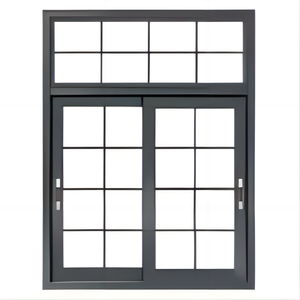
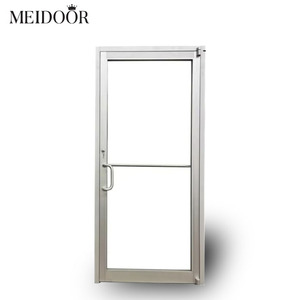
Precision-engineered aluminum fenestration systems manufactured for high thermal efficiency, structural integrity, and long-term moisture resistance in sub-grade and residential applications.
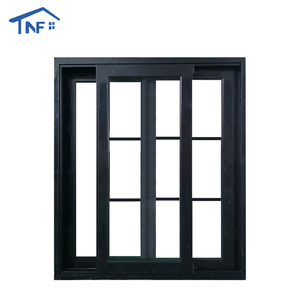
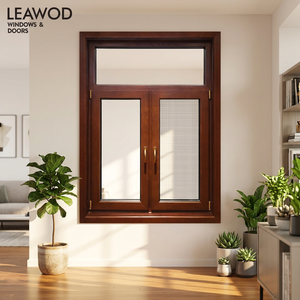
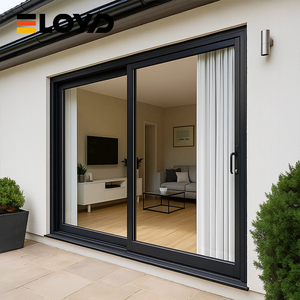
Basement openings represent the most demanding envelope zone of any structure. Sub-grade fenestration faces localized microclimates characterized by hydrostatic pressure, soil-level moisture accumulation, frost line temperature swings, and strict International Residential Code (IRC) emergency egress regulations.
Information Gain Insight: Unlike standard upper-floor window units, high-performance aluminum basement storm windows must act as structural air barrier systems, thermal breaks, and flood mitigation shields simultaneously without degrading structural load path capabilities under extreme wind loads.
When selecting a top-tier factory or direct supplier, architectural buyers and project contractors must look beyond superficial frame aesthetics. The structural viability of aluminum basement storm windows relies on high-grade extruded aluminum alloys, superior anodization film thickness, integrated EPDM compression seals, and thermal break technology engineered to eliminate condensation risk.
Extruded architectural aluminum profiles with wall thickness reaching 1.4mm–2.0mm provide high tensile strength and yield stress resist sub-soil load forces.
Polyamide PA66 GF25 thermal break strips decouple inner and outer extrusion chambers, lowering U-factors to under 0.28 BTU/h·ft²·°F and preventing interior condensation.
Continuous EPDM perimeter gaskets engineered with vulcanized corner joints achieve air infiltration rates below 0.1 cfm/ft² under severe pressure tests.
A technical comparison evaluating framing materials under subterranean stress factors, humidity contact, and structural load durability.
| Performance Metric | Architectural Extruded Aluminum | Standard Vinyl (uPVC) | Structural Carbon Steel |
|---|---|---|---|
| Structural Frame Rigidity | Exceptional (High Strength-to-Weight) | Moderate (Requires Steel Reinforcement) | Ultra-High (Heavy Structural Profile) |
| Moisture & Corrosion Resistance | Superior (Anodized / Fluorocarbon PVDF) | High (Impervious to Water) | Low-Moderate (Prone to Rust if Scratched) |
| Thermal Transmittance (U-Value) | 0.24 - 0.30 (With PA66 Thermal Break) | 0.26 - 0.32 | 0.45 - 0.60 (Poor Thermal Isolation) |
| Frame Profile Slimness (Daylight Ratio) | Ultra-Slim (Maximizes Light Ingress) | Bulky / Thick Frame Profiles | Ultra-Slim |
| Lifecycle Expectancy (Years) | 40+ Years (Zero Rot or Degradation) | 15 - 20 Years (UV Embrittlement Risk) | 25 - 30 Years (High Maintenance) |
The global construction landscape is shifting rapidly toward carbon-neutral building envelopes, off-site modular fabrication, and stringent energy efficiency directives (such as NFRC 100/200, AS2047, and European CE standards). Buying strategies for aluminum basement storm windows are evolving across four main axes:
Double and triple-pane insulated glass units (IGU) featuring soft-coat Low-E layers and 90%+ Argon gas fills are becoming baseline requirements to eliminate radiant heat loss through basement window wells.
Modern building codes mandate emergency escape openings. Manufacturers are incorporating integrated interior single-motion release latches that maintain child safety while enabling immediate egress capability.
Tier-1 factories now supply parametric Building Information Modeling (BIM) files directly to architectural firms, streamlining clash detection and ensuring sub-millimeter precision before fabrication.
As a leading Chinese aluminum fenestration manufacturer rooted in Foshan’s industrial cluster since 2004, Doorreme delivers factory-direct custom engineering for commercial developers, residential builders, distributors, and architectural design firms worldwide.
Operating high-speed CNC machining centers, automated insulating glass lines, and advanced powder coating / PVDF surface processing facilities, Doorreme guarantees strict adherence to international building standards (NFRC, AS2047, CSA, and ISO9001). Every unit undergoes rigorous hydrostatic seal checks and wind-load deflection testing before container loading.
Get a QuoteTechnical guidance designed to answer key B2B sourcing questions regarding window specifications, egress regulations, thermal performance, and factory lead times.
Send your project blueprints, window schedules, or custom dimensions directly to our engineering department for a detailed quote, thermal analysis, and technical proposal within 24 hours.
Get a Quote English