Explore our precision-engineered aluminum window and door configurations designed for modern kitchens, multi-family residences, and commercial developments.
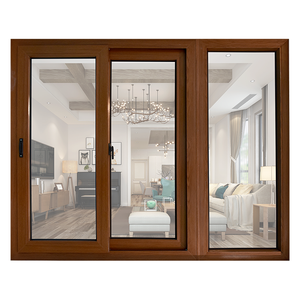
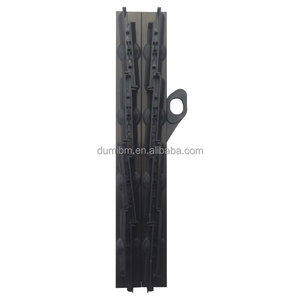
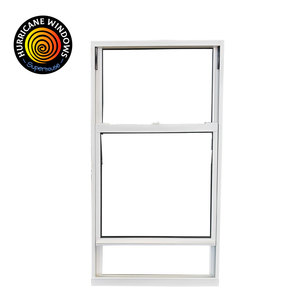
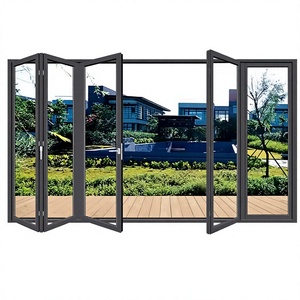
In contemporary architectural engineering and residential project development, the choice of window fenestration for kitchen spaces represents a critical intersection of thermal dynamics, moisture management, air quality, and aesthetic integration. Kitchens are high-load environmental zones within any building envelope. They generate localized heat spikes, high relative humidity levels, grease micro-particles, and require persistent ventilation while maintaining strict energy conservation standards.
Historically, building specifiers relied on vinyl (uPVC) or treated timber frames. However, international procurement data reveals a decisive shift toward high-grade aluminum alloy profiles—specifically thermal break 6063-T5 and 6063-T6 extrusions. Aluminum provides an unmatched strength-to-weight ratio, enabling ultra-slim sightlines that maximize natural daylight penetration without compromising structural integrity against wind pressure loads (up to 5000 Pa in hurricane-prone coastal regions).
Information Gain Insight: Modern architectural kitchen windows require non-porous, corrosion-resistant framing materials. Powder-coated or PVDF-treated aluminum alloys do not absorb airborne cooking oils, warp under humid steam conditions, or degrade under direct high-UV exposure, rendering them the gold standard for global hotel, villa, and apartment developments.
Enables ultra-large double and triple glazed sashes with structural deflection resistance meeting AAMA and NAFS architectural standards.
Polyamide (PA66-GF25) thermal breaks dramatically reduce heat transfer, lowering overall building HVAC loads and preventing glass condensation.
Fluorocarbon (PVDF) and anodized surface treatments withstand grease exposure, intense cleaning chemicals, and marine salt-spray ambient air.
For international buyers, real estate developers, facade contractors, and regional wholesalers, identifying a top-tier supplier requires evaluating technical capabilities beyond basic price-per-square-meter calculations. When auditing manufacturers in leading production hubs like Foshan, Guangdong, key procurement metrics must be established:
| Evaluation Parameter | Standard Specification | Tier-1 Supplier Benchmark (e.g., Doorreme Aluminum) | Impact on Project Longevity |
|---|---|---|---|
| Profile Wall Thickness | 1.2 mm – 1.4 mm | 1.4 mm – 2.0 mm High-Tensile 6063-T5/T6 | Prevents frame bowing, sash sagging, and seal degradation over 25+ years. |
| Thermal Break Strip Material | Standard PVC Strips | Imported Polyamide PA66-GF25 (25% Glass Fiber) | Ensures equal thermal expansion to aluminum and prevents structural fracture under extreme weather. |
| Surface Finishing Coating | Basic Powder Coating | AkzoNobel / PPG PVDF Fluorocarbon (AAMA 2605) | Guarantees 20+ years of color retention and zero chalking despite heavy kitchen fumes. |
| Hardware Mechanism | Generic Domestic Locks | German Roto / Siegenia / Top-Tier Multi-Point Locks | Provides smooth 100,000+ cycle operation and air-tight multi-point compression seals. |
| Glass Configuration | Single Monolithic Glass | Double/Triple Tempered Low-E + Argon Gas Spacers | Optimizes U-Factor (≤ 1.6 W/m²K) and reduces acoustic transmission by up to 38 dB. |
As smart home automation and green building codes evolve globally, fenestration design for kitchen areas is undergoing rapid technical transformation. B2B importers and project managers must align their procurement strategies with five macro trends:
Architects are increasingly specifying narrow-frame sliding and awning configurations that hide the outer frame within the perimeter wall structure. In kitchen-to-patio pass-through setups, motorized flush-threshold sliding windows allow seamless serving counter integration without elevated track obstacles, enhancing both ergonomics and aesthetic continuity.
Future-ready kitchen windows incorporate concealed electric chain actuators connected to kitchen gas sensors and range hoods. When air quality thresholds (CO2, VOCs, or excessive humidity) are breached, sashes automatically tilt open to facilitate immediate cross-ventilation, integrating directly into BACnet or Zigbee home automation protocols.
While traditional double-glazing remains standard, high-end developments are adopting Vacuum Insulated Glass (VIG). VIG achieves U-values under 0.6 W/m²K within a profile thickness of just 8.3 mm. Combined with electrochromic or low-solar-heat-gain coefficient (SHGC) Low-E coatings, kitchens maintain internal thermal comfort without overburdening air conditioning units during intense cooking periods.
European and North American markets are enforcing strict embodied carbon limits. Tier-1 exporters are adopting primary aluminum billets refined using hydroelectric power or utilizing high percentages of post-consumer recycled aluminum, reducing carbon footprints by up to 70% per ton of extruded profile without diminishing structural yield strength.
The reliability of an architectural window system stems from precision manufacturing techniques. At Doorreme Aluminum Industry Co., Ltd.'s 123,000 m² production hub in Foshan, profile processing combines automated CNC double-head cutting saws, 4-axis machining centers, and automated corner-crimping technology.
Traditional mechanical screw fastening at frame corners frequently leads to micro-gaps, water leakage, and frame misalignment under thermal stress. Advanced suppliers utilize dual-component corner crimping combined with structural adhesive injection. This creates a monolithic corner joint capable of withstanding torsional loads experienced in multi-story tower applications.
Technical Precision Note: EPDM (Ethylene Propylene Diene Monomer) gasket seals co-extruded with sponge rubber cores are critical for kitchen windows. Unlike standard PVC gaskets, EPDM retains elasticity across temperature ranges from -40°C to +120°C, ensuring that cooking grease fumes do not cause gasket shrinkage or air leakage over decades of continuous use.
Founded in 2004, Doorreme Aluminum Industry Co., Ltd. (operating globally alongside the HiHaus brand ecosystem) has established itself as an authoritative leader in custom aluminum windows, doors, and curtain wall engineering. Headquartered in Shishan Town, Nanhai District, Foshan—the epicenter of global aluminum extrusion—the enterprise combines massive scale with specialized engineering customizability.
Sourcing high-performance aluminum kitchen windows and architectural fenestration systems from China requires a transparent, structured workflow. Doorreme eliminates procurement risk through a streamlined 4-step engineering process:
Ready to elevate your architectural project with China's leading aluminum window manufacturer?
Contact Us English