Precision-engineered thermal break windows, bi-fold doors, minimalist entry systems, and acoustic glazing tailored for global transportable, modular, and luxury residential projects.
The global construction industry is experiencing a paradigm shift toward offsite industrialization, prefabricated modular construction, and high-efficiency mobile housing. In North America, Europe, Australia, and coastal resort regions, demand for transportable homes, containerized living units, modern tiny homes, and manufactured residential structures has surged by over 24% year-over-year. Central to the structural integrity, thermal performance, and commercial viability of these mobile structures is the selection of specialized architectural aluminum windows and doors.
Unlike traditional fixed-site residential fenestration, mobile home windows face a multi-dimensional matrix of mechanical challenges. They must endure highway vibration forces during transit, dynamic racking movements during structural hoisting, high wind pressure (cyclone/typhoon thresholds), extreme solar radiation, and severe salt spray corrosion in coastal deployments. Sourcing directly from top-tier Chinese aluminum windows factories—specifically centered in the Foshan aluminum cluster of Guangdong—provides global developers, modular home manufacturers, and commercial distributors with unparalleled engineering depth, economies of scale, and custom OEM capabilities.
Information Gain Insight: Sourcing mobile home fenestration is no longer limited to light-weight residential sliding units. Modern specifications mandate thermal break profiles (PA66GF25), structural silicone structural glazing (SSG), multi-point hardware lock arrays, and international compliance such as AS2047 (Australia), NFRC / AAMA (USA), and CE EN14351 (Europe).
Achieving architectural excellence in mobile and modular construction requires strict alignment with rigorous material parameters. Leading Chinese exporters utilize extruded 6063-T5 and 6063-T6 marine-grade aluminum alloys, engineered with precise web thicknesses to balance structural rigidity against total payload weight.
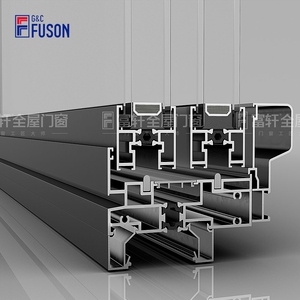
Integration of polyamide PA66GF25 thermal barrier strips effectively stops thermal conduction. Paired with Low-E argon-filled double or triple glazing, system U-factors reach as low as 1.2 to 1.6 W/m²K, surpassing strict energy building codes.
Mobile structures experience structural twisting during transportation and placement. Corner joints reinforced with cast aluminum corner cleats and pneumatic crimping resist corner joint separation up to 4,500 Pa wind pressure loads.
For modular structures installed in coastal or marine environments, profiles receive fluoropolymer PVDF coatings or 25-micron anodization, offering 30+ years of resistance against salt fog spray, oxidation, and intense UV degradation.
Below is a engineering benchmark table comparing typical window configurations supplied by top Foshan exporters for global mobile home and commercial modular projects:
| System Category | Profile Wall Thickness | Typical Glass Build-Up | Hardware System | Target Wind Load & Air Tightness |
|---|---|---|---|---|
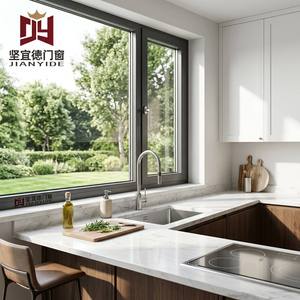
| AS2047 Thermal Break Casement | 1.4 mm - 1.8 mm | 5mm + 12A + 5mm Low-E Toughened | German Roto / CMECH Multi-point | Serviceability: 3000 Pa | Ultimate: 4500 Pa |
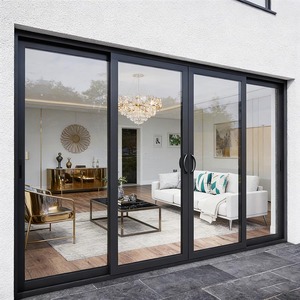
| Heavy-Duty Lift & Slide Door | 2.0 mm - 3.0 mm | 6mm + 16A + 6mm Double Tempered | Heavy-Duty Stainless Steel Roller System | Water Penetration: 600 Pa | Acoustic: STC 42dB |
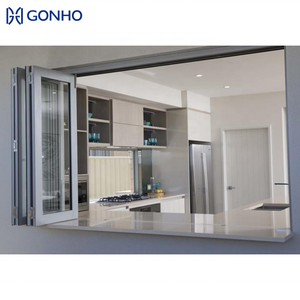
| Narrow-Frame Minimalist Folding Window | 1.6 mm - 2.0 mm | 5mm + 12A + 5mm Double Glazed | Hidden Hinges & Concealed Locking | Air Infiltration: Class 4 (EN 12207) |
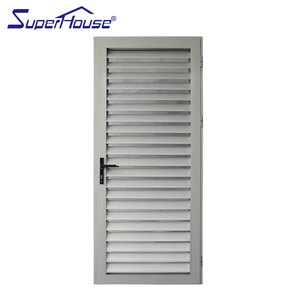
| Hurricane Impact Louver / Jalousie | 1.5 mm - 2.2 mm | 6mm/8mm Toughened or Laminated Glass | Manual / Motorized Rack Lever Mechanism | Cyclonic Impact Tested (ASTM E1996) |
As the international prefabricated housing market scales toward fully automated offsite assembly, the procurement criteria for aluminum windows and doors are evolving rapidly. B2B buyers, modular developers, and importers must align their supply chain strategies with four core macro trends shaping Chinese architectural exports over the next decade:
Leading factories are moving away from traditional site-fitted window reveals. Modern exports feature factory-installed aluminum sub-frames, structural flashings, and prefabricated mounting fin attachments that allow modular housing manufacturers to snap windows directly into light-gauge steel (LGS) wall panels in minutes.
With Western markets enforcing carbon border adjustment mechanisms (CBAM), top Chinese exporters are incorporating hydro-powered, low-carbon primary aluminum billets with up to 60% recycled content, significantly lowering the embodied carbon footprint of the prefabricated structure.
Architects are demanding maximum interior natural light and seamless indoor-outdoor connections. Slim-line sliding systems with 16mm-21mm visible mullions and concealed frame profiles are becoming the gold standard for luxury mobile spaces and commercial resort pods.
Next-generation mobile home windows integrate electrochromic smart privacy glass, automated rain-sensor wind actuators, and built-in micro-ventilation channels that maintain healthy indoor air quality without sacrificing thermal envelope performance.
Foshan is globally recognized as the epicenter of aluminum profile manufacturing and fenestration engineering. As an industry leader headquartered in this industrial cluster, Doorreme Aluminum Industry Co., Ltd. brings over 20 years of manufacturing mastery to global buyers.
Operating a massive 123,000 m² state-of-the-art production base equipped with automated German and Italian CNC machining centers, extrusion lines, and automated double-glazing lines, Doorreme seamlessly bridges the gap between customized architectural design and high-volume industrial output.
Our in-house team of 50+ structural engineers provides shop drawings, structural wind calculation reports, thermal simulation analysis, and bim models tailored to your local building codes prior to mass manufacturing.
Every batch undergoes strict raw aluminum spectro-analysis, anodizing layer thickness testing, corner joint shear testing, glass seal integrity inspection, and pre-shipment mock-up assembly tests.
To eliminate shipping damages, units are protected with removable protective films, corner guards, fully enclosed fumigated plywood crates, and steel frame container securing systems for oceanic transport.
Direct answers to critical technical questions commonly asked by project procurement directors, modular home builders, and overseas distributors.
Connect directly with our senior structural fenestration engineers in Foshan. Send us your project drawings, opening schedules, or specifications for a comprehensive technical quote within 24 hours.
Get a Quote English