Precision-engineered aluminum profiles, custom hurricane impact glass, and narrow-frame window assemblies compliant with international building codes.
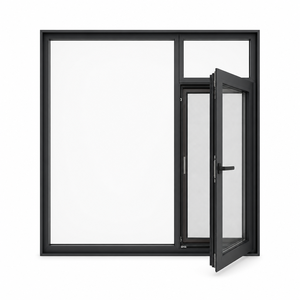
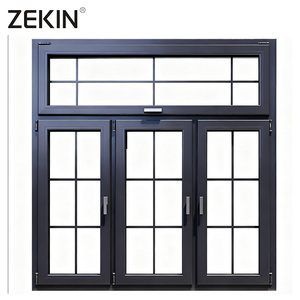
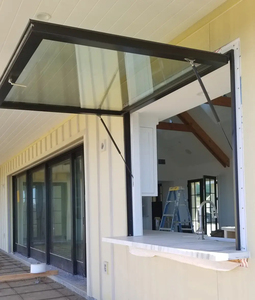
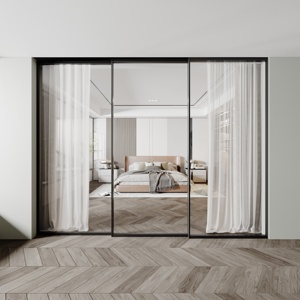
Operating a massive 123,000 m² manufacturing hub in Foshan, Guangdong—China's premier aluminum capital—Doorreme delivers direct-from-factory architectural fenestration solutions with verified global compliance.
Our workshop integrates high-precision Elumatec CNC profile processing centers, automated corner-crimping equipment, and robotic double-head miter saws, maintaining tolerance within ±0.1mm across complex custom kitchen window geometries.
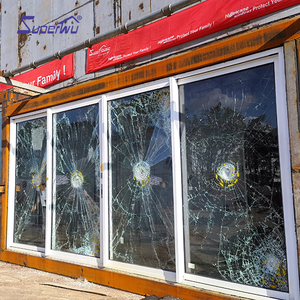
Engineered to satisfy strict building envelopes in North America, Europe, and Australia. Our products undergo rigorous air infiltration, water resistance, structural load, and High-Velocity Hurricane Zone (HVHZ) testing.
From initial CAD shop drawings and wind-pressure analysis to thermal simulations (U-factor calculations) and hardware specification, Doorreme assigns a senior structural engineer to oversee every project specification.
In modern architectural design, kitchen fenestration is no longer viewed merely as a passive light opening; it serves as a critical performance envelope node. Kitchen environments present distinct building physics challenges: localized high thermal spikes, elevated humidity levels, airborne aerosolized grease, and a frequent requirement for continuous indoor-to-outdoor entertaining transitions (servery counter setups). Selecting top trusted aluminium kitchen windows manufacturers involves navigating profile metallurgy, thermal barrier mechanics, sealing chemistry, and ergonomic kinematic opening mechanisms.
Core Architectural Takeaway: Aluminium is the ultimate material choice for kitchen window systems due to its high strength-to-weight ratio, structural stability under moisture, fire safety rating (Non-combustible Class A1), and resistance to warp under localized cooktop thermal radiation.
High-grade kitchen windows utilize extruded aluminium alloy 6063-T5 or 6063-T6. The alloying elements—primarily Magnesium (Mg 0.45% - 0.9%) and Silicon (Si 0.2% - 0.6%)—provide an optimal balance of tensile strength, surface finishing capability, and corrosion resistance. While 6063-T5 offers high extrudability for precision thermal break channels, T6 temper provides enhanced yield strength required for expansive, heavy-duty gas-strut awning kitchen servery windows carrying heavy double-glazed units.
| Performance Characteristic | Standard Non-Thermal Aluminium | Doorreme Thermal Break 6063-T5/T6 | UPVC Kitchen Profiles |
|---|---|---|---|
| Structural Yield Strength | 110 - 130 MPa | 170 - 210 MPa (High Wind Load) | 40 - 50 MPa (Prone to Sagging) |
| Thermal Transmittance (U-Value) | 5.8 - 6.5 W/m²K | 1.4 - 2.2 W/m²K (PA66 Insulated) | 1.8 - 2.4 W/m²K |
| Grease & UV Degradation | Moderate Powder Wear | PVDF Fluorocarbon (25+ Yr Warranty) | Yellowing / Brittle over time |
| Frame Sightline Thickness | Medium (50mm - 70mm) | Ultra-Slim (16mm - 38mm Minimalist) | Bulky (80mm+) |
| Fire Safety Rating | Non-Combustible | Non-Combustible (Class A) | Combustible / Toxic Fumes |
Cooking activities release large quantities of vaporized moisture. When warm, moisture-laden indoor air comes into contact with an uninsulated window frame exposed to cold exterior temperatures, relative humidity reaches the dew point, creating surface condensation. Over time, moisture accumulation fosters mold growth, tarnishes kitchen quartz counter tops, and ruins custom millwork.
Doorreme integrates multi-cavity Polyamide (PA66 GF25) thermal barrier strips reinforced with 25% glass fiber into the aluminum profile core. This thermal break interrupts the conductive heat pathway, keeping internal aluminium surface temperatures well above dew point thresholds even during intense indoor boiling or frying activities.
Selecting the optimal opening system directly impacts kitchen layout workflow, ventilation efficiency, and counter usability:
Kitchen window frames are routinely exposed to acidic airborne fats, vinegar vapors, and aggressive cleaning chemicals. Standard paint finishes oxidize and chip under these stress factors. Doorreme applies AkzoNobel or PPG PVDF (Polyvinylidene Fluoride) 3-coat fluorocarbon coatings cured at high temperatures. PVDF offers unmatched inertness, preventing chemical discoloration, chalking, and salt-spray corrosion for coastal kitchen installs.
As building codes tighten global energy mandates and commercial developers prioritize indoor-outdoor lifestyle integration, B2B buyers must align supply chains with next-generation architectural trends.
The boundary between indoor kitchens and exterior outdoor living decks is disappearing. High-end residential tenders increasingly specify zero-threshold sill gas-strut awning windows and pocket-sliding servery windows that align flush with granite or marble bar counters.
Architects are shifting from heavy 80mm window sightlines to ultra-slim 16mm - 25mm interlocking profiles. Future procurement favors high-tensile aluminium alloys capable of holding massive glass panels without bulky framing, maximizing daylight entry.
Next-generation kitchen windows integrate motorized electric actuators wired to smart home automation systems. Integrated moisture and CO2 sensors auto-trigger window opening when smoke or excess frying humidity is detected, delivering hands-free ventilation.
Commercial developers in Europe and North America now demand Environmental Product Declarations (EPDs). Sourcing from certified factories utilizing green hydro-powered recycled aluminium billet significantly reduces project embodied carbon ratings (LEED/BREEAM).
Discover how continuous material innovation is transforming window performance, hardware durability, and energy conservation.
Replacing bulky triple-glazed units, thin 8.3mm Vacuum Insulated Glass units offer U-values as low as 0.6 W/m²K—equivalent to solid masonry walls. This allows ultra-slim profile depth without sacrificing thermal performance in extreme cold climates.
Eliminating visible exterior hinges, modern gas-strut and casement kitchen windows utilize 100% concealed continuous hinge tracks and 316 Stainless Steel multi-point shoot-bolt lock pins, enhancing both visual elegance and forced-entry security.
Specialized factory-applied titanium dioxide (TiO2) exterior coatings utilize UV rays to break down organic grease residues, allowing rainwater or a simple water spray to slide dirt off effortless—vital for hard-to-reach kitchen exterior glass.
Clear, direct answers for project managers, architectural specifiers, general contractors, and wholesale importers purchasing custom aluminium windows from China.
Have architectural drawings, window schedules, or custom opening dimensions ready? Speak directly with Doorreme's senior engineering desk for factory-direct quotes and structural technical proposals.
Inquire Now English