Direct factory engineering, certified performance specs, and customizable extrusion profiles for developers, architects, and trade wholesalers.
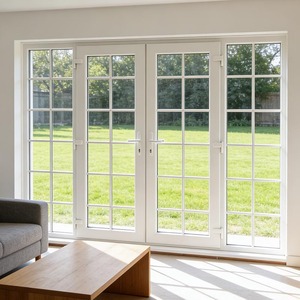
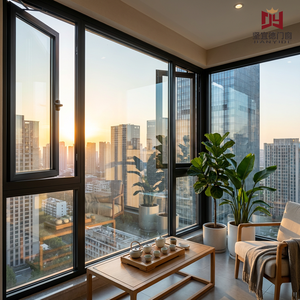
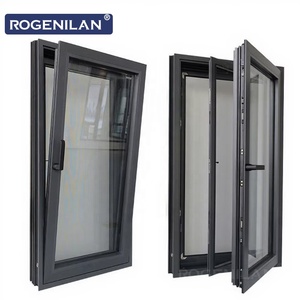
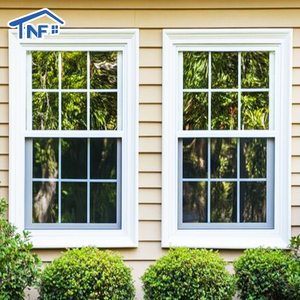
Combining world-class extrusion engineering with transparent drawing approval workflows for overseas projects.
Located in Foshan, China's aluminum capital. Equipped with modern German profile extruders, automated CNC machining, and state-of-the-art double/triple glass insulating lines.
Engineered to international standards including Australian AS2047, North American NFRC, and European CE standards. Wind-load, water-tightness, and structural silicone verified.
Our dedicated engineering department checks architectural plans, performs wind-pressure calculations, and issues shop drawings before fabrication begins.
When procurement managers, facade engineers, and property developers search for a top trusted aluminum around windows supplier & suppliers, the evaluation process extends far beyond comparing raw extrusion quotes per metric ton. In contemporary high-rise residential, luxury villa, and commercial real estate development, fenestration represents up to 18% of the total building envelope budget and over 40% of its thermal efficiency performance.
Selecting an OEM/ODM aluminum window supplier requires analyzing structural alloy chemistry, thermal-break barrier geometry, multi-cavity sealing technology, glass assembly integrity, and international building code certifications. This technical whitepaper establishes the benchmark criteria for selecting enterprise-grade architectural aluminum window manufacturers.
The core structural integrity of modern aluminum casement, sliding, tilt-turn, and fixed picture windows depends on the grade and heat-treatment temper of the aluminum profile. Top trusted manufacturers exclusively utilize primary-grade 6063-T5 or 6063-T6 architectural aluminum alloy:
Aluminum is naturally highly conductive (thermal conductivity ~200 W/m·K). To comply with stringent global energy codes (such as Energy Star, ASHRAE 90.1, and NCC Australia), trusted suppliers employ advanced thermal break profile architecture.
Rather than using inferior PVC insulation strips which degrade under UV and thermal expansion, industrial-grade windows incorporate Polyamide PA66 reinforced with 25% glass fiber (PA66GF25). These strips feature thermal conductivity rates of just 0.3 W/m·K—nearly 500 times lower than raw aluminum. Multi-cavity thermal break designs (ranging from 14.8mm to 34mm barrier widths) combined with aerogel infill can drop overall window system U-factors down to 1.1–1.4 W/m²·K (Passive House compliant).
| Window System Category | Structural Profile Profile Thickness | Glass Configuration Standard | Thermal Insulation (U-Factor) | Acoustic Isolation (STC) | Applicable Standards |
|---|---|---|---|---|---|
| Thermal Break Casement / Tilt-Turn | 1.4mm – 2.0mm 6063-T5/T6 | 5mm Low-E + 12A/20A + 5mm Tempered | 1.4 – 1.8 W/m²·K | 38 dB – 44 dB | AS2047, CE, NFRC, ISO9001 |
| Heavy-Duty Exterior Sliding Door | 1.6mm – 2.5mm Profile Wall | 6mm Low-E + 16A + 6mm Double Tempered | 1.6 – 2.0 W/m²·K | 35 dB – 40 dB | ASTM E330, AS2047 |
| Hurricane Impact Vertical Louver | 2.0mm Heavy Extrusion | 6mm + 1.52 SGP + 6mm Laminated Glass | 2.2 W/m²·K | 32 dB – 36 dB | TAS 201/202/203 Impact |
| Structural Silicone Glazed Curtain Wall | 2.5mm – 3.5mm Mullion | 6mm Low-E + 12A + 6mm Toughened / SSG | 1.2 – 1.6 W/m²·K | 42 dB – 48 dB | BS EN 13830, ASTM E1105 |
A window's visual light transmittance (VLT), solar heat gain coefficient (SHGC), and sound transmission class (STC) are dominated by the glass unit specification. Trusted aluminum window suppliers work directly with Tier-1 glass processors (such as CSG, Xinyi, and AGC) to supply fully customized insulating glass units (IGU):
Procurement teams and project engineers should align their supply chain with four critical macro-trends reshaping the fenestration industry over the coming decade:
A. Decarbonization & Circular Material Sourcing: Leading aluminum suppliers are transitioning toward low-carbon aluminum billets produced via hydroelectric power, alongside incorporating post-consumer recycled aluminum (up to 75% recycled content). This drastically reduces the embodied carbon footprint of real estate developments seeking LEED Gold or BREEAM Outstanding certifications.
B. Ultra-Slim Minimalist Sightlines with High Load Capacity: Architectural design trends strongly favor micro-frame sliding doors and full-view picture windows that obscure frames into ceiling and wall pockets. Achieving sightlines under 20mm while supporting massive glass panels weighing over 400kg requires specialized concealed roller mechanisms and structural steel reinforcement inserts inside aluminum cavities.
C. Integrated Smart Fenestration & Automated Micro-Ventilation: Modern commercial and residential properties are increasingly specifying smart motorized tilt-turn windows and sliding doors tied into building management systems (BMS). Rain sensors, wind sensors, and automated motor drives allow buildings to optimize natural purge-ventilation during favorable climatic conditions.
D. Direct Factory-to-Site Modular Prefabrication: To combat rising job-site labor costs in North America, Europe, and Australia, developers are shifting from field-glazed stick systems to pre-glazed, factory-assembled window pods and unitized window wall modules. Factory-controlled assembly guarantees sealant curing quality and precise multi-point hardware calibration before export shipping.
Custom engineered for high-wind zones, historical retrofits, and high-occupancy commercial structures.
Equipped with heavy-duty 304/316 stainless steel fly screens and thick laminated safety glass, designed specifically for tropical cyclone zones (Caribbean, Southeast Asia, Florida standards).
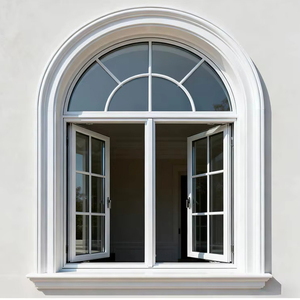
Precision CNC profile bending allows for custom radius arched casement and arched hung windows, matching historical North American architectural styles without compromising modern thermal breaks.
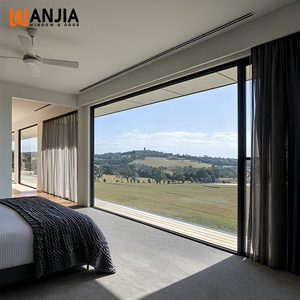
Large format fixed glass panels maximizing natural daylight and unobstructed exterior views. Double rubber gasket seals prevent dust penetration and structural water leakage under heavy rainfall.
Direct technical answers to help contractors and developers streamline international window sourcing.
We provide full structural engineering calculations, AS2047 physical test reports (air infiltration, water penetration resistance up to 450Pa–600Pa, ultimate strength test up to 4500Pa+), NFRC thermal performance ratings, and CE certificates tailored to your local site building code requirements.
Yes. 100% of our production is manufactured to order based on your structural opening schedules. Our engineering team reviews your architectural elevation drawings, checks structural deflection limits, and generates detailed shop drawings for formal approval before cutting aluminum profiles.
We partner with top-tier international and premium domestic hardware manufacturers. Options include German Roto Frank, Siegenia-Aubi, Hoppe, as well as premium heavy-duty Chinese hardware brands (CMECH, Kin Long) backed by 10-year mechanical operational warranties.
All finished window units undergo multi-layer protective packaging: 1) Protective film on aluminum profile surfaces; 2) Corner protection caps; 3) EPE foam wrapping; 4) Fully enclosed fumigated plywood crates or steel A-frame racks with rubber cushioning for container transport.
Standard profile colors (such as Matt Black, Anthracite Grey, White, Silver Anodized) take 25 to 30 working days following drawing sign-off and deposit confirmation. Custom PVDF or custom powder-coat RAL color matching ranges from 35 to 40 days.
Yes. For major commercial developments, structural glass facades, and resort projects, Doorreme can dispatch senior facade installation engineers to the job site to provide sequencing supervision, curtain wall alignment guidance, and air/water tightness testing support.
Send your window schedule, elevation CAD files, or project specifications directly to our technical team. Receive a comprehensive structural proposal and factory-direct quotation within 24 hours.
Get a Quote English