 English
Direct factory supply for developers, general contractors, and distributors across Hungary and Central Europe.
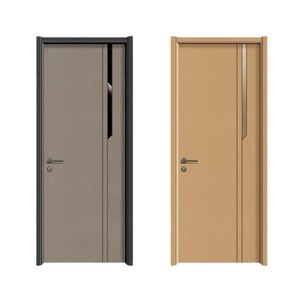
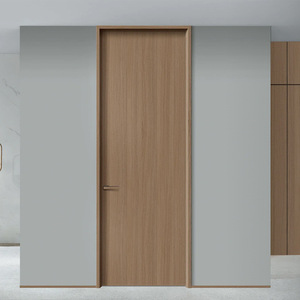
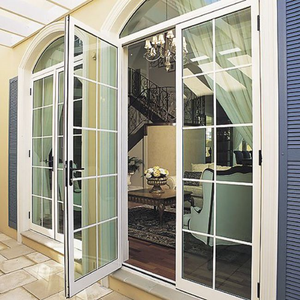
Hungary’s construction market is undergoing a structural transition driven by stringent European Union energy efficiency directives (such as the Energy Performance of Buildings Directive - EPBD) and localized thermal regulations (7/2006 TNM decree updates). As residential developments expand in the Greater Budapest region and industrial/commercial infrastructure projects scale across Debrecen, Győr, and Szeged, the demand for high-durability, thermally insulated fenestration solutions has reached an all-time high.
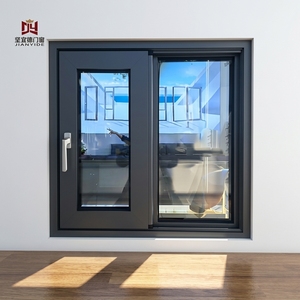
Among modern architectural window configurations, aluminium awning windows—hinged at the top and opening outward from the bottom—offer an ideal synergy of weatherproofing, micro-ventilation, and structural stability. This whitepaper analyzes the technical criteria, local Hungarian application parameters, structural thermal performance matrices, and supply-chain dynamics required by architectural specifiers, general contractors, and fenestration importers sourcing directly from tier-1 manufacturers.
Unlike standard casement or tilt-and-turn windows, top-hinged awning windows create a natural umbrella effect when opened. In Hungary, where heavy summer rain showers coincide with warm temperatures, awning windows allow continuous air circulation without risk of interior water ingress. Furthermore, when closed, wind pressure against the outward sash compresses the EPDM gasket tightly against the frame, boosting air and water tightness under intense wind loads across the Great Hungarian Plain (Alföld).
To comply with Hungarian national energy performance mandates, modern fenestration systems must deliver exceptionally low total window U-values ($U_w$). In Central Europe, seasonal temperature variations range from frosty winter conditions (dropping below -10°C) to intense summer heat waves (exceeding +35°C). Uninsulated aluminium profiles act as thermal bridges, causing moisture condensation on interior surfaces and severe energy loss.
Doorreme’s technical awning window systems solve this through engineered multi-chamber polyamide thermal break profiles (PA66GF25 reinforced with 25% glass fiber). By decoupling the outer aluminium extrusion from the inner profile, our systems easily achieve $U_w$ values ranging from 0.9 to 1.3 W/m²K when combined with low-emissivity (Low-E) double or triple glazed insulated glass units (IGUs) filled with 90% Argon gas.
Below is the recommended technical specification matrix for commercial and high-end residential project procurement across Hungary:
| Performance / Feature Parameter | Standard Specification | High-Performance Specification | EU / Hungarian Standard Reference |
|---|---|---|---|
| Aluminium Alloy Base | 6063-T5 High Precision Extrusion | 6063-T6 Structural Architectural Alloy | EN 573-3, EN 755-2 |
| Profile Depth (Frame / Sash) | 65 mm System Depth | 75 mm / 90 mm Passive House System | EN 12020-2 |
| Thermal Break Material | 14.8 mm Polyamide PA66GF25 Strip | 24 mm - 34 mm Multi-Chamber Insulation Strip | ISO 10077-2 |
| Glazing Configuration | 5mm Low-E + 12Ar + 5mm Tempered Glass | 6mm Low-E + 16Ar + 5mm + 16Ar + 6mm Triple Glass | EN 1279, EN 12150 |
| Overall Window U-Value ($U_w$) | 1.2 - 1.4 W/m²K | 0.8 - 1.0 W/m²K (Passive Standard) | MSZ EN ISO 10077-1 / TNM Decree |
| Wind Load Resistance | Class C4 (1600 Pa) | Class C5 / B5 (2000+ Pa) | EN 12210 |
| Water Tightness | Class E750 (750 Pa) | Class E1050 / E1200 (1050+ Pa) | EN 12208 |
| Air Permeability | Class 4 (600 Pa) | Class 4 (600 Pa - Zero leakage) | EN 12207 |
| Hardware & Multi-point Locks | Top-tier Domestic Friction Stays & Locks | German Roto Frank / SIEGENIA Hardware | EN 13126 |
For architectural integration, visual aesthetics must match physical longevity. Doorreme offers specialized surface treatments tailored to regional environmental exposures—from urban microclimates in Budapest to high-humidity zones around Lake Balaton:
Targeted fenestration engineering built to resolve specific regional structural and environmental challenges.
In densely populated districts (such as District V, VI, and XIII), acoustic attenuation is as vital as energy saving. High-rise installations require superior wind resistance at upper levels. Awning windows equipped with multi-point friction hinges and acoustic laminated double-glazing achieve up to 42 dB sound reduction while maintaining slim sightlines.
Properties surrounding Europe's largest freshwater lake experience high humidity, seasonal thermal extremes, and driving wind-rain conditions. Thermally broken aluminium awning windows with anti-corrosion hardware ensure smooth operation, prevent condensation rot, and offer panoramic view integration with fixed bottom transoms.
Hungary's expanding automotive and technology parks demand high-volume, reliable ventilation. Chain-actuated motorized aluminium awning windows integrated into building management systems (BMS) provide automated natural ventilation, smoke heat exhaust ventilation (SHEV) compliance, and energy savings for large commercial facilities.
Understanding local market evolution allows architectural developers and window importers to specify fenestration products that remain compliant and commercially attractive over decades. Key trends driving the Hungarian market include:
While uPVC historically dominated mid-tier housing due to initial unit price, modern architectural designs favoring floor-to-ceiling glass, ultra-narrow frame sightlines, and heavy triple-pane glass have pushed plastic profiles to their structural limits. Aluminium's superior tensile strength allows for larger sash dimensions (up to 1500mm wide x 1800mm high per awning sash) without frame sag or structural deformation under wind pressure.
Minimalist aesthetic demands in modern Hungarian residential architecture have led to the widespread adoption of concealed hinges and concealed multi-point locking systems. Furthermore, integration with smart home automation platforms (Apple HomeKit, KNX, Zigbee) via hidden 24V electric chain actuators allows homeowners to open high-level transom awning windows via smartphone or automated climatic sensors.
Hungarian public tenders and international real estate investment funds (developing BREEAM or LEED certified office spaces in Budapest) increasingly demand Environmental Product Declarations (EPD) and verifiable CE certifications. Aluminium’s 100% recyclability without quality degradation aligns perfectly with green building taxonomy requirements.
Over two decades of precision fenestration manufacturing, empowering global building projects.
Located in Foshan, China's aluminum industrial heartland, our mega-factory houses automated extrusion lines, CNC machining centers, and automated glazing assembly lines capable of producing over 500,000 m² of windows and doors annually.
Operating under ISO9001 and ISO14001 management protocols. Our products are fully tested to meet CE, CSA, NFRC, and AS2047 international standards, guaranteeing seamless customs clearance and building code approval across the EU.
Our 50+ in-house technical engineering team prepares shop drawings, structural wind load calculations, thermal simulation reports, and step-by-step installation guides tailored for your specific construction drawings.
Clear engineering and commercial responses to common procurement queries.
Send us your project drawings, window schedules, or opening sizes today. Our engineering team will provide a comprehensive technical proposal and competitive direct-factory quotation within 24 hours.
Get a Quote